
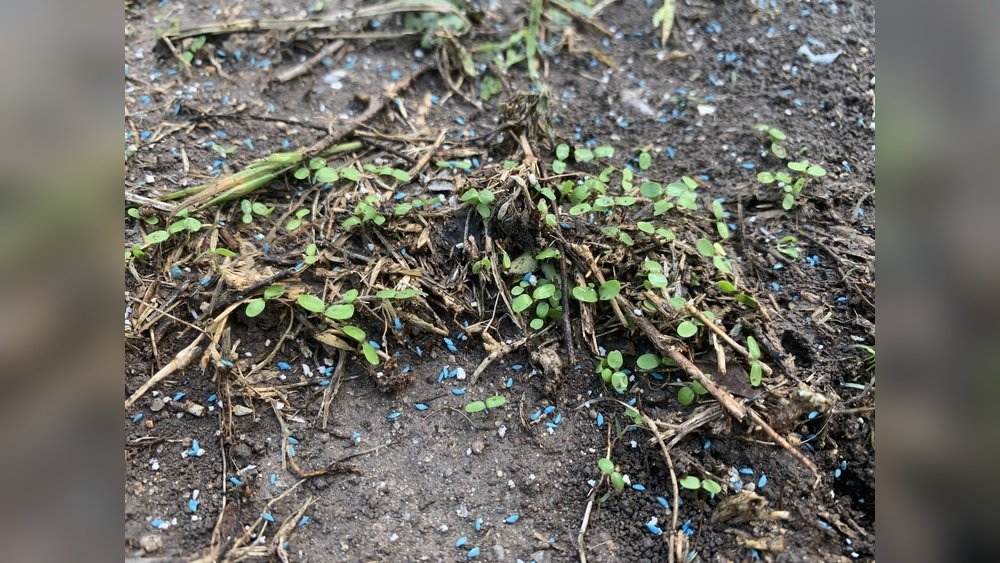
When Bermuda grass germinates, you’ll see thin, bright green shoots breaking through the soil about a week after planting. These early sprouts are delicate, narrow, and light green, quickly forming a soft, fine texture as they spread across the soil surface. This stage signals healthy growth and lawn establishment.
If you’re planting Bermuda grass, you probably want to know exactly what to expect when it starts to grow. Recognizing Bermuda grass at the germination stage can save you time and worry.
You’ll learn how the tiny shoots look, how fast they appear, and what signs show your grass is healthy and ready to thrive. Keep reading to discover the key details that will help you spot your Bermuda grass as it comes to life.
This way, you can take the right steps to nurture your lawn from the very beginning.
Bermuda Grass Seed Characteristics
Bermuda grass seeds are small and hard. They look like tiny brown grains. These seeds are light and easy to spread over soil.
Each seed has a tough outer shell. This shell protects the seed from damage and drying out. Inside, the seed holds the parts needed to grow a new plant.
Bermuda Grass Seed Size And Shape
The seeds are about 1 to 2 millimeters long. They have an oval shape. This shape helps them settle well in the soil.
Seed Coat And Color
The seed coat is smooth and shiny. It ranges from light tan to dark brown. The coat keeps the seed safe during storage.
Seed Viability And Germination Rate
Fresh seeds have high germination rates. They sprout quickly in warm soil. Old seeds may have lower chances of sprouting.
Seed Storage Tips
Store seeds in a cool, dry place. Keep them away from direct sunlight. Proper storage keeps seeds alive longer.
Timeline Of Bermuda Grass Germination
Bermuda grass seedlings show thin, bright green blades about 7 to 14 days after planting. Tiny shoots emerge quickly, forming a soft, fine texture. Early growth looks like small, delicate grass strands spreading across the soil surface.
Day 1 To 3: Seed Absorption And Initial Swelling
Bermuda grass seeds absorb water and swell during the first three days. The seed coat softens, preparing the seed for sprouting. No visible shoots appear yet. This stage is critical for successful germination.
Day 4 To 7: Emergence Of The Radicle
The radicle, or root, breaks through the seed coat. It anchors the seed into the soil and begins absorbing nutrients. Small white root tips become visible in the soil.
Day 8 To 14: Shoot Breaks The Soil Surface
The first green shoots push through the soil. These shoots are thin and light green. They grow quickly as they start photosynthesis.
Day 15 To 21: Development Of Leaf Blades
Leaf blades develop and spread out. They look narrow and pointed. The grass gains strength and color during this phase.
Day 22 And Beyond: Establishment Of Young Grass
Bermuda grass forms more leaves and roots. It thickens and creates a lush green carpet. The grass is ready for mowing and regular care.
Initial Sprout Appearance
The initial sprout appearance of Bermuda grass is an exciting phase. It marks the start of a healthy lawn. This stage shows small green shoots breaking through the soil. These sprouts are delicate but full of promise.
At first, the sprouts look thin and bright green. They are short, often just a few inches tall. The grass blades appear narrow and pointed. This is typical of Bermuda grass at germination.
Color And Texture Of Sprouts
The sprouts show a fresh, light green color. This shade differs from mature grass, which is darker. The texture feels soft and tender. The blades look smooth and fine.
Growth Pattern Of Bermuda Grass Sprouts
Sprouts emerge in small clusters. They grow upward quickly but remain close to the ground. The shoots spread horizontally as well. This helps the grass cover the area evenly.
Signs Of Healthy Germination
Healthy sprouts stand upright and firm. They do not wilt or discolor. The soil around them stays moist but not soggy. Proper sunlight helps maintain this healthy look.
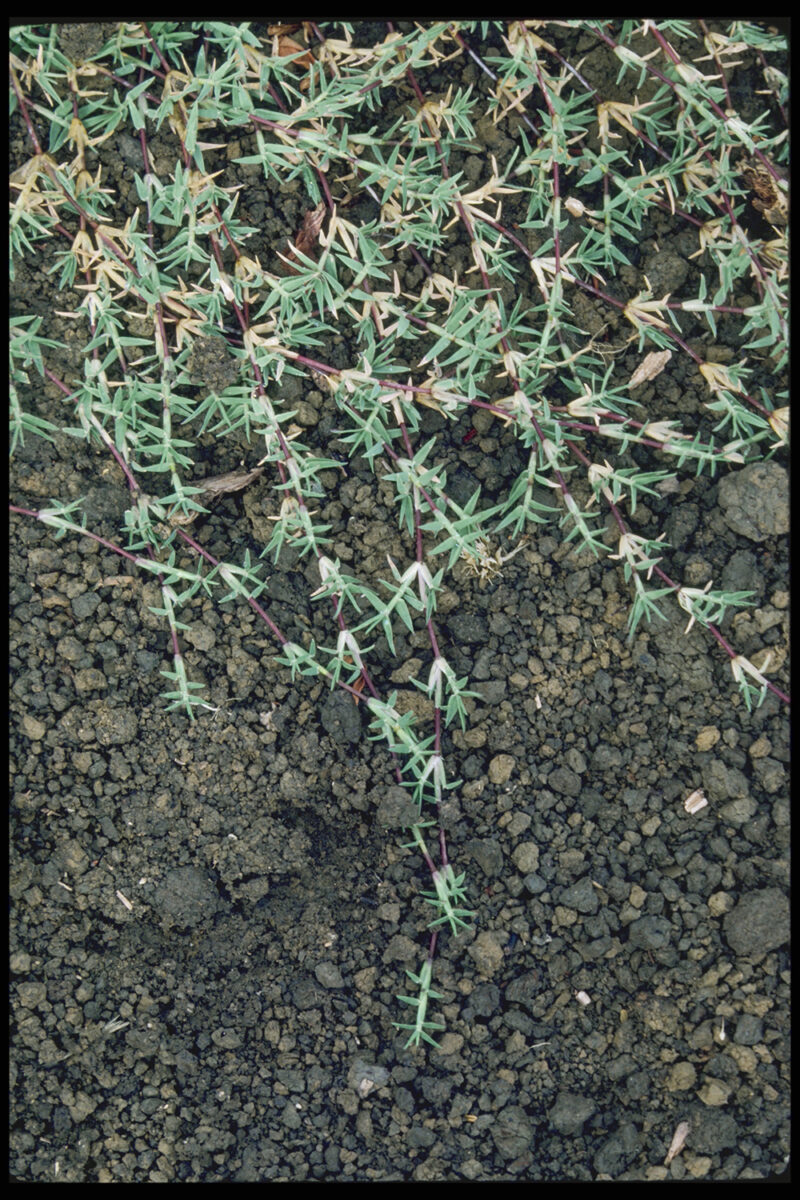
Credit: www.sare.org
Leaf Development Stages
The leaf development stages of Bermuda grass show clear signs of growth. Each stage reveals changes in leaf size and shape. Watching these changes helps you understand how the grass matures. The process starts with the first leaves and continues with more growth over time.
First Leaves
At germination, Bermuda grass sprouts tiny, thin leaves. These leaves are light green and narrow. They look soft and fragile at first. The first leaves help the seedling begin photosynthesis. This step is crucial for the grass to get energy. The leaf tips may appear pointed and delicate.
Subsequent Growth
After the first leaves, more leaves start to grow quickly. These new leaves become longer and wider. Their color deepens to a richer green. The grass blades develop a rougher texture. The leaves grow upright and spread out to catch sunlight. This stage strengthens the seedling and prepares it for full growth.
Color And Texture Changes
Bermuda grass shows clear changes in color and texture as it germinates. These changes help identify its growth stage. The color shifts from pale to rich green. The texture moves from soft and fine to slightly rougher as shoots grow.
Observing these changes gives clues about the health and progress of your grass. Understanding this helps in proper lawn care and maintenance.
Initial Color: Pale Green To Yellowish Hue
At germination, Bermuda grass sprouts appear pale green. Sometimes, they have a slight yellow tint. This color shows the young grass is still delicate and developing chlorophyll. The light color means the grass needs sunlight and water to grow strong.
Color Deepens As Grass Matures
After a few days, the pale green deepens into a richer green. This color change shows the grass is producing more chlorophyll. Healthy Bermuda grass has a vibrant green shade. This indicates good growth and readiness to spread.
Texture: From Soft To Slightly Coarse
The new shoots start soft and smooth. They feel tender to touch. As the grass grows, the texture becomes more coarse. The blades develop tiny hairs, making the surface less smooth. This helps the grass resist weather and foot traffic.
Leaf Shape And Feel
Bermuda grass leaves are narrow and pointed. At germination, leaves are very thin and fragile. As they grow, leaves become wider and firmer. The texture changes from silky to a bit rough. This is normal and shows healthy development.
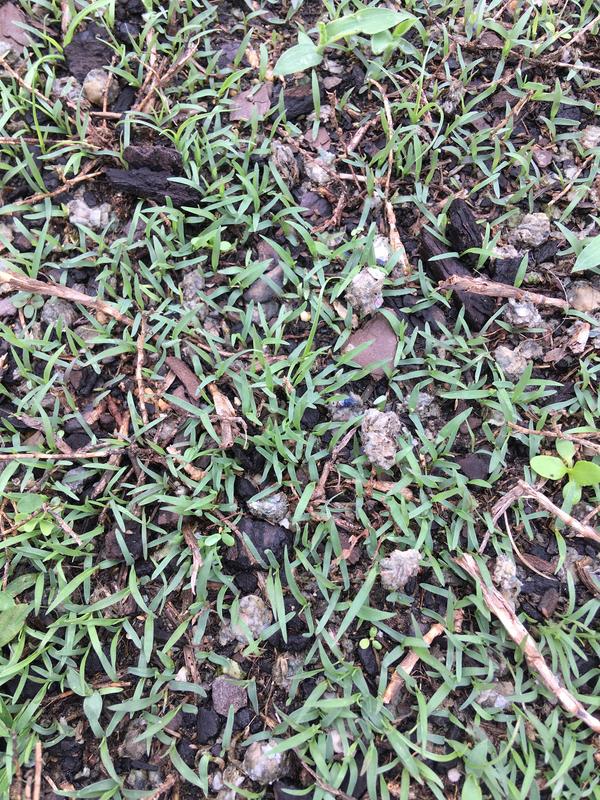
Credit: www.thelawnforum.com
Common Germination Issues
Growing Bermuda grass from seed can be tricky. Many gardeners face problems during germination. Understanding common germination issues helps you get a healthy lawn.
Poor Germination Signs
Bermuda grass seeds may not sprout evenly. Some spots stay bare or thin. Seedlings may look weak or yellow. Seedlings that grow slowly or die quickly show poor germination. Uneven growth often means seeds did not get enough water or nutrients. Watch for patches where seeds did not grow at all. These signs tell you germination problems exist.
Environmental Factors
Temperature plays a big role in germination. Bermuda grass grows best between 75°F and 85°F. Cooler or hotter temperatures slow growth or stop seeds from sprouting. Soil quality also matters. Poor, compacted, or dry soil stops seeds from growing well. Seeds need moisture but too much water can cause rot. Sunlight is important. Bermuda grass needs full sun to germinate and grow strong. Lack of sunlight weakens seedlings.
Tips For Successful Germination
Starting Bermuda grass seeds needs care and good habits. Seeds need the right conditions to sprout well. Following key tips helps seeds grow strong and healthy. This section shares simple ways to improve germination success.
Prepare The Soil Properly
Loose, soft soil helps Bermuda seeds start well. Remove rocks, weeds, and old grass first. Till or rake the soil to break it up. Smooth the surface so seeds sit evenly.
Plant Seeds At The Right Depth
Plant Bermuda seeds shallowly, about 1/8 inch deep. Too deep stops seeds from getting sunlight. Shallow planting helps seeds breathe and sprout faster.
Water Gently And Often
Keep soil moist but not soaked. Light watering several times a day works best. Avoid heavy watering that can wash seeds away. Watering helps seeds swell and break open.
Choose Warm Weather
Bermuda grass grows best in warm soil. Plant seeds when soil temperature is 65°F or higher. Warm soil speeds germination and root growth.
Protect Seeds From Birds
Birds like to eat fresh seeds. Cover seeded areas with light netting or straw. This keeps seeds safe until they sprout.
Give Seeds Time To Grow
Germination can take 7 to 21 days. Avoid walking on seeded soil during this time. Patience helps seeds develop into strong grass.
Credit: www.thelawnforum.com
Frequently Asked Questions
What Does Bermuda Grass Look Like When It First Sprouts?
Bermuda grass sprouts as tiny green shoots with thin, blade-like leaves. The seedlings are bright green and delicate, often showing a slight curl. Early growth is dense and spreads quickly, forming a soft, carpet-like appearance as it establishes.
How Long Does Bermuda Grass Take To Germinate?
Bermuda grass typically germinates within 7 to 14 days under ideal warm conditions. Soil temperatures should be between 65°F and 75°F. Moisture and sunlight play crucial roles in speeding up germination.
Can You Identify Bermuda Grass Seedlings By Leaf Shape?
Yes, Bermuda grass seedlings have narrow, pointed leaves with a rough texture. The blades are usually 1 to 3 inches long at early stages. This distinct leaf shape helps differentiate it from other grasses.
What Soil Conditions Favor Bermuda Grass Germination?
Bermuda grass grows best in well-drained, sandy or loamy soils with a pH of 5. 8 to 7. 0. The soil must stay consistently moist but not waterlogged for successful germination and healthy seedling growth.
Conclusion
Bermuda grass sprouts as tiny green shoots from the soil. These shoots grow thin and soft, with a bright green color. You can spot them easily in a lawn or garden. Watching germination helps you know the grass is healthy.
Small leaves soon appear, showing steady growth. Keep soil moist and warm to support this process. Healthy Bermuda grass looks fresh and lively from the start. Understanding its early look helps with lawn care success. This knowledge lets you enjoy a thick, green lawn over time.
