

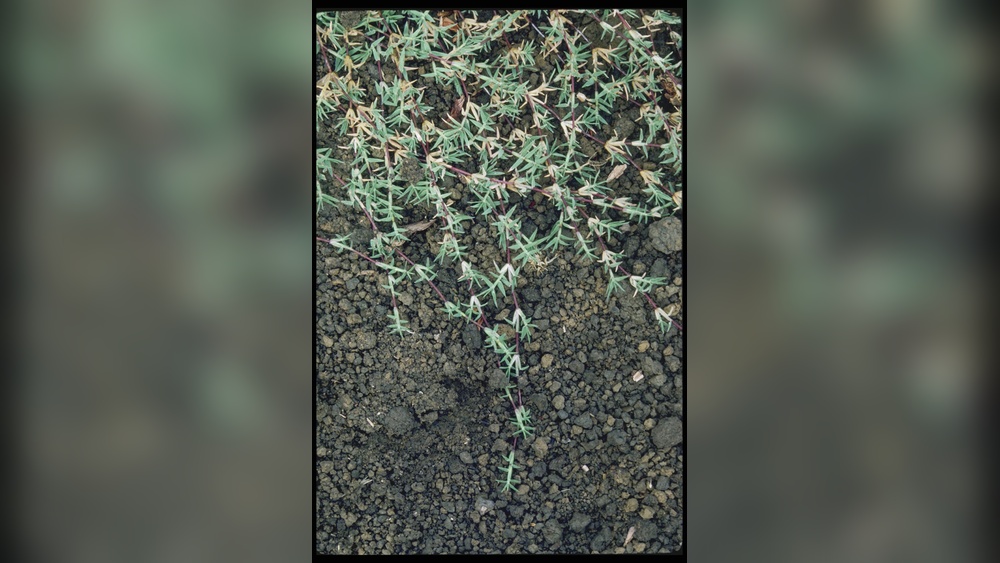
Germinating Bermuda grass starts with tiny green shoots pushing through the soil surface. Before this, seeds swell and crack as they absorb water, and a small white root tip called the radicle emerges. These signs indicate healthy seed activity and the beginning of new grass growth.
Have you ever planted Bermuda grass and wondered what it looks like when it starts to grow? Recognizing the early signs of germination can save you time and worry.
When your Bermuda grass seeds begin to sprout, you’ll notice tiny green shoots pushing through the soil, signaling that your lawn is on its way to becoming lush and healthy. You’ll learn exactly what germinating Bermuda grass looks like, so you can spot it easily and care for your lawn with confidence.
Keep reading to discover the simple clues that show your grass is coming to life.
Credit: www.turf-boss.com
Seed Appearance Before Germination
Before Bermuda grass seeds start to grow, they have a unique look. Knowing this helps you spot healthy seeds. Healthy seeds are key for strong grass growth. Their appearance gives clues about their quality and readiness to sprout.
Bermuda grass seeds are small but distinct. They look different from many other grass seeds. Recognizing their features helps gardeners and lawn care enthusiasts.
Size And Shape Of Bermuda Grass Seeds
Bermuda grass seeds are tiny and oval-shaped. They measure about 1 to 2 millimeters. The shape is smooth and slightly pointed at one end. This helps them settle into soil easily.
Color And Texture
The seeds have a light brown to tan color. Some may appear slightly striped or speckled. Their surface is smooth and shiny. This shine shows the seed is fresh and healthy.
Seed Coat And Protection
The seed coat is thin but tough. It protects the seed from damage and pests. The coat also helps keep moisture inside. This moisture is important for the germination process.
Signs Of Poor Quality Seeds
Old or bad seeds look dull and shriveled. They might have cracks or spots. These seeds often fail to sprout well. Avoid using seeds that appear damaged or discolored.
First Signs Of Germination
The first signs of germination are exciting to observe. They mark the start of new life for Bermuda grass seeds. Understanding these signs helps you know if the seeds are healthy and growing well.
Germination begins soon after planting. The seed absorbs water and starts changing. These changes are visible if you watch closely. Two key signs are seed swelling and the radicle’s emergence.
Seed Swelling And Cracking
At the start, Bermuda grass seeds swell. They soak up water and grow bigger. This swelling softens the seed coat. Soon, you may see tiny cracks on the surface. These cracks show the seed is ready to sprout. Swelling and cracking mean the seed is active and alive.
Emergence Of The Radicle
The radicle is the seed’s first root. After cracking, a small white tip appears. This tip grows downward into the soil. It anchors the young plant and takes in water. The radicle’s growth is a clear sign of germination. It shows the seedling is beginning to develop.
Sprout Development
Sprout development is a key stage in germinating Bermuda grass. It shows how the seed grows into a young plant. Observing this process helps to understand the grass health and growth speed. The sprout starts small but changes quickly in appearance.
At this stage, you can see tiny shoots and leaves forming. These parts are important for the grass to begin photosynthesis and grow stronger. Each step in sprout development gives clues about soil quality and watering needs.
Shoot Growth
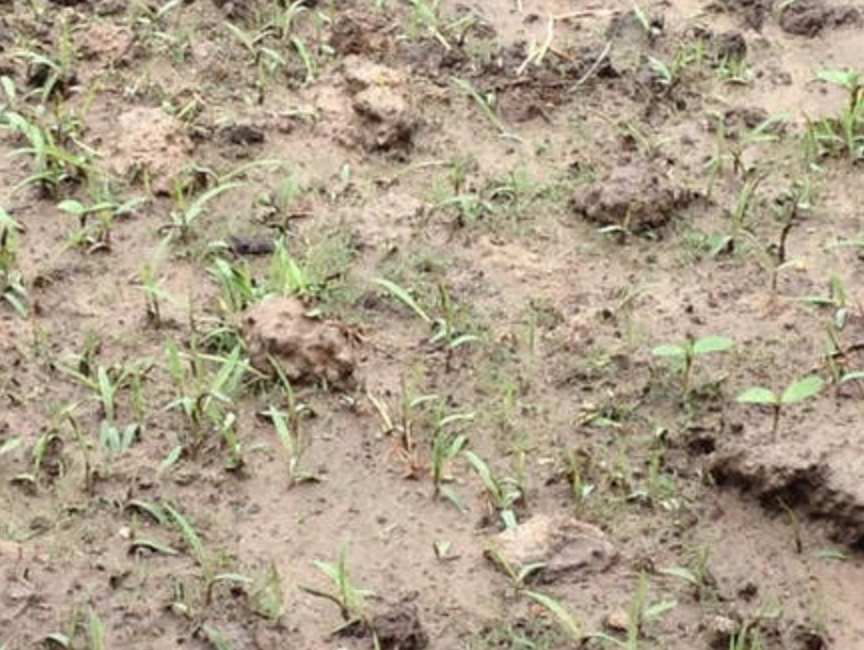
The first sign of growth is a small shoot breaking through the soil. This shoot looks thin and pale at first. It grows upward, reaching for sunlight. The shoot is fragile but grows fast in warm conditions. Healthy shoots are straight and firm. Weak or bent shoots may mean poor soil or water stress.
Leaf Formation
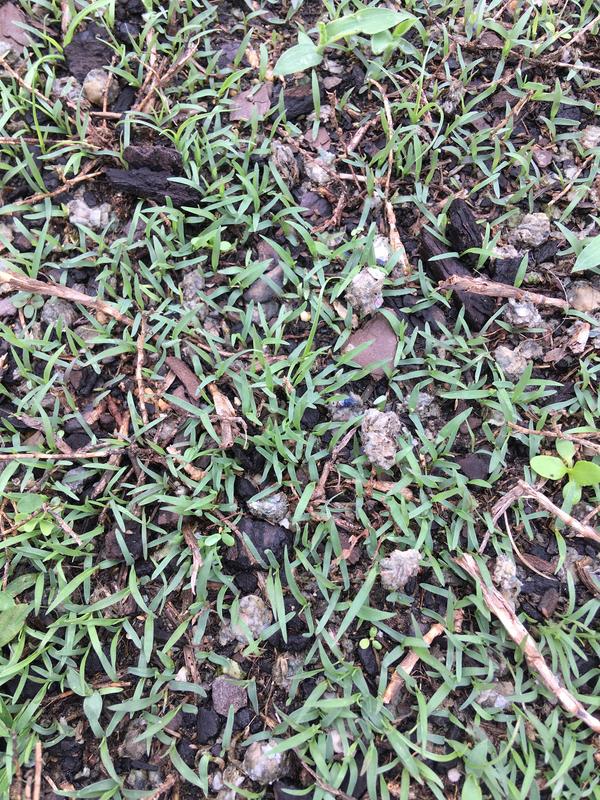
After the shoot grows, leaves start to appear. These leaves are thin and light green. They help the plant make food through sunlight. Leaf edges are smooth and pointed. As leaves grow, they get wider and darker green. More leaves mean the plant is healthy and growing well.
Credit: www.thelawnforum.com
Color Changes During Germination
Color changes during the germination of Bermuda grass show important signs of growth. These changes help identify healthy seeds and early sprouting stages. The shift in color is a natural part of the germination process.
Watching these color shifts helps gardeners know when the grass is ready to grow. Colors start dull and pale, then move to brighter green shades. This change signals the seed is alive and developing roots and shoots.
Initial Color: Pale And Yellowish
At the start, Bermuda grass seeds show pale or yellowish colors. The seed coat may look dry and light. This color means the seed is resting before it absorbs water.
Emergence Of Green Shoots
Once germination begins, tiny green shoots appear. These shoots are bright green, a sign of chlorophyll forming. This color shows the seed is using energy to grow.
Darkening To Healthy Green
As the grass grows, the green deepens and becomes richer. Dark green color means healthy leaves and strong roots. This stage is important for establishing a good lawn.
Signs Of Poor Germination Color
Seeds that stay brown or turn dark brown may not sprout well. Dull or grayish colors can show mold or damage. Healthy Bermuda grass should shift to green shades quickly.
Timeframe For Germination
Understanding the timeframe for Bermuda grass germination helps set clear expectations. Germination time depends on factors like temperature, moisture, and soil quality. Warmer conditions speed up the process, while cooler weather slows it down.
Bermuda grass seeds usually take about 7 to 14 days to sprout. During this time, small shoots emerge from the soil surface. Consistent watering and good soil contact improve germination success. Patience is key, as rushing may harm young seedlings.
Factors Affecting Germination Speed
Soil temperature plays a major role in germination speed. Ideal temperatures range between 75°F and 85°F. Moist soil encourages seed growth, but too much water can drown seeds. Light exposure is less important for Bermuda grass seeds.
Signs Of Germination Progress
Watch for tiny green shoots breaking through the soil. These shoots are delicate and need gentle care. Seedlings grow slowly at first but strengthen quickly. Healthy germination shows steady, even sprout growth across the area.
Typical Timeline For Bermuda Grass Growth
After germination, blades grow longer within 2 to 3 weeks. Roots develop deeper as shoots expand. Full lawn coverage takes about 6 to 8 weeks under good conditions. Regular watering and light mowing encourage thick growth.
Common Germination Issues
Germinating Bermuda grass can face several common issues that slow or stop growth. These problems often confuse gardeners and lawn care beginners. Knowing these issues helps you fix them early and get healthy grass quickly.
Poor Seed Quality
Bad seed quality is a top cause of germination failure. Old seeds or seeds stored improperly lose their power to grow. Seeds might look fine but fail to sprout. Always buy fresh seeds from trusted sources. Check the seed package for the date and purity.
Environmental Factors
Environment plays a big role in germination success. Bermuda grass seeds need warm soil, around 70 to 85 degrees Fahrenheit, to sprout well. Too cold or hot soil stops growth. Water is also crucial. Too much water drowns seeds; too little dries them out. Soil type matters too. Sandy or rocky soils drain fast, hurting seed growth. Good soil preparation helps seeds take root better.
Tips To Encourage Germination
Encouraging Bermuda grass seeds to germinate starts with simple, careful steps. Proper care and attention help seeds sprout quickly and grow strong. Healthy seedlings lead to a lush, green lawn.
Soil Preparation
Good soil preparation creates a perfect home for seeds. Clear the area of rocks, weeds, and debris. Loosen the soil to about 1 to 2 inches deep. This helps seeds settle and roots grow easily. Add some compost or starter fertilizer to boost nutrition. Smooth the surface but avoid packing the soil too hard. Well-prepared soil keeps moisture and air balanced for seed growth.
Watering Techniques
Watering is key for Bermuda grass seed germination. Keep the soil moist but not soaked. Light, frequent watering works best in the first two weeks. This prevents seeds from drying out or washing away. As seedlings grow, reduce watering frequency and increase the amount. Deep watering helps roots develop strong and deep. Avoid overwatering to stop mold or seed rot.

Credit: www.reddit.com
Frequently Asked Questions
What Does Germinating Bermuda Grass Look Like?
Germinating Bermuda grass appears as tiny green shoots emerging from soil. The seedlings have slender, bright green blades. Early growth is dense and low to the ground. This stage typically occurs within 7 to 14 days after planting seeds.
How Long Does Bermuda Grass Take To Germinate?
Bermuda grass usually takes 7 to 14 days to germinate. Optimal soil temperature is between 75°F and 85°F. Moist soil and proper sunlight speed up germination. Cooler temperatures can delay the process significantly.
How To Identify Healthy Bermuda Grass Seedlings?
Healthy Bermuda grass seedlings are vibrant green with upright blades. They grow quickly and spread evenly across the soil. Avoid yellow or brown shoots, which indicate poor health. Consistent moisture helps maintain seedling vigor.
What Conditions Promote Bermuda Grass Germination?
Warm soil temperatures, consistent moisture, and sunlight promote Bermuda grass germination. Soil should be loose and well-drained for better seed-to-soil contact. Avoid overwatering to prevent fungal issues during germination.
Conclusion
Germinating Bermuda grass shows tiny green shoots breaking through soil. These shoots look thin and fragile at first. Soon, they grow thicker and spread out. Healthy germination means good soil and enough water. Watch for small leaves forming near the sprouts.
This stage is key for strong grass growth. Knowing what germinating Bermuda grass looks like helps you care for it well. Keep soil moist and avoid heavy foot traffic. Patience is important; grass takes time to fill in. Your lawn will look lush with proper care and time.
