
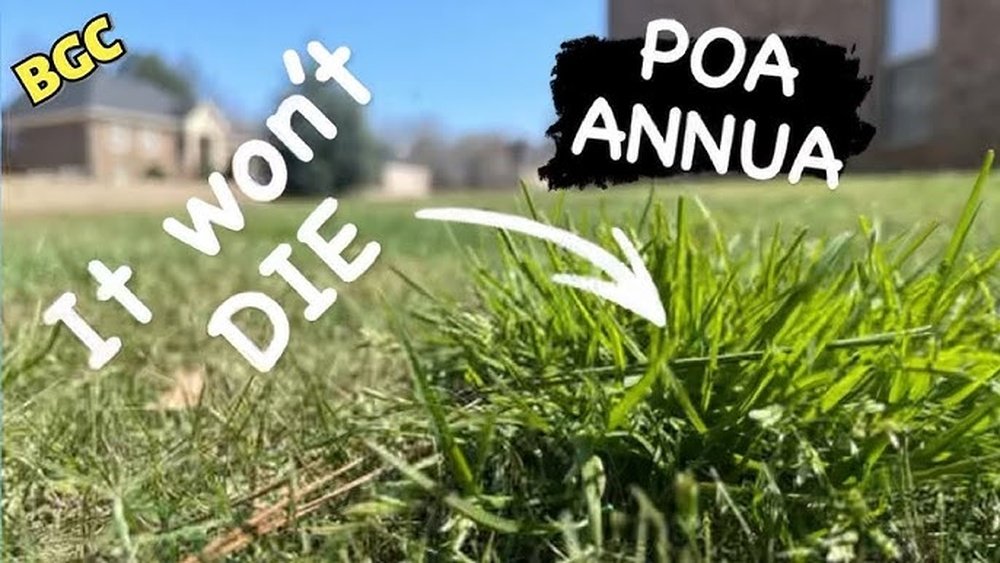
The best way to kill Poa Annua in Bermuda grass involves using selective herbicides that target Poa Annua without damaging Bermuda. Combining these with proper mowing, irrigation, and lawn care practices strengthens Bermuda grass and reduces Poa Annua’s ability to spread and thrive.
Are you struggling to keep your Bermuda grass healthy while fighting off those stubborn patches of Poa Annua? You’re not alone.
Poa Annua, also known as annual bluegrass, can quickly take over your lawn if you don’t act fast. But what exactly kills Poa Annua without harming your Bermuda grass? You’ll discover effective, practical solutions to get rid of Poa Annua for good.
Keep reading to protect your lawn and enjoy a lush, green yard all season long.
Credit: www.youtube.com
Poa Annua Challenges In Bermuda Grass
Poa annua, also known as annual bluegrass, presents many challenges in Bermuda grass lawns. It grows fast and spreads quickly, making control difficult. This weed affects both the look and health of Bermuda grass. Understanding these challenges helps manage and reduce Poa annua’s impact effectively.
Impact On Lawn Health
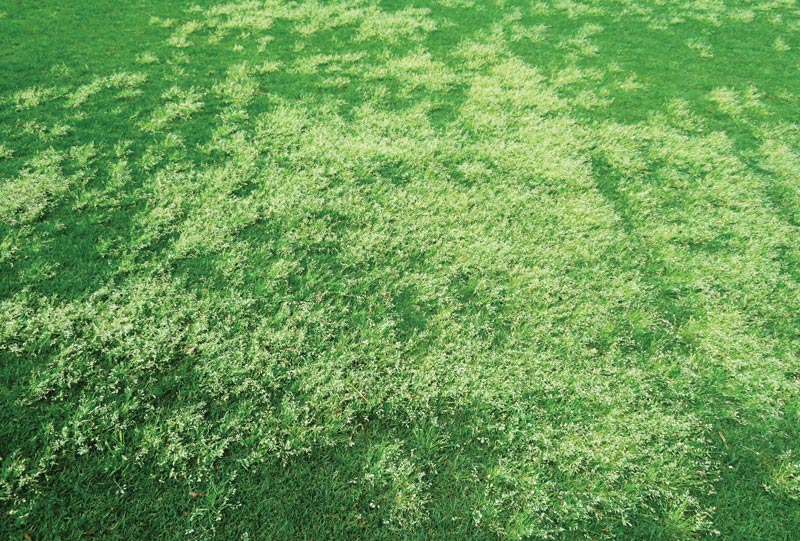
Poa annua weakens Bermuda grass by competing for water and nutrients. It creates thin, patchy areas in the lawn. This weed is less drought-resistant than Bermuda grass. It dies off in summer but leaves open spots for other weeds. Poa annua also attracts pests and diseases that harm Bermuda grass. A lawn with this weed looks unhealthy and uneven.
Growth Patterns And Spread
Poa annua grows quickly in cool, moist conditions. It produces many seeds that spread easily by wind and foot traffic. This weed germinates in fall and spring, overlapping Bermuda’s growing seasons. Poa annua forms dense clumps that crowd out Bermuda grass. Its shallow roots allow it to survive mowing and light herbicides. Controlling Poa annua requires persistent efforts over time.
Identifying Poa Annua
Identifying Poa Annua is essential for managing it effectively in Bermuda grass lawns. This weed can spread quickly and compete with Bermuda grass for nutrients and water. Recognizing Poa Annua early helps you control it before it takes over your lawn. Understanding its features and how it differs from Bermuda grass makes removal easier and more precise.
Visual Characteristics
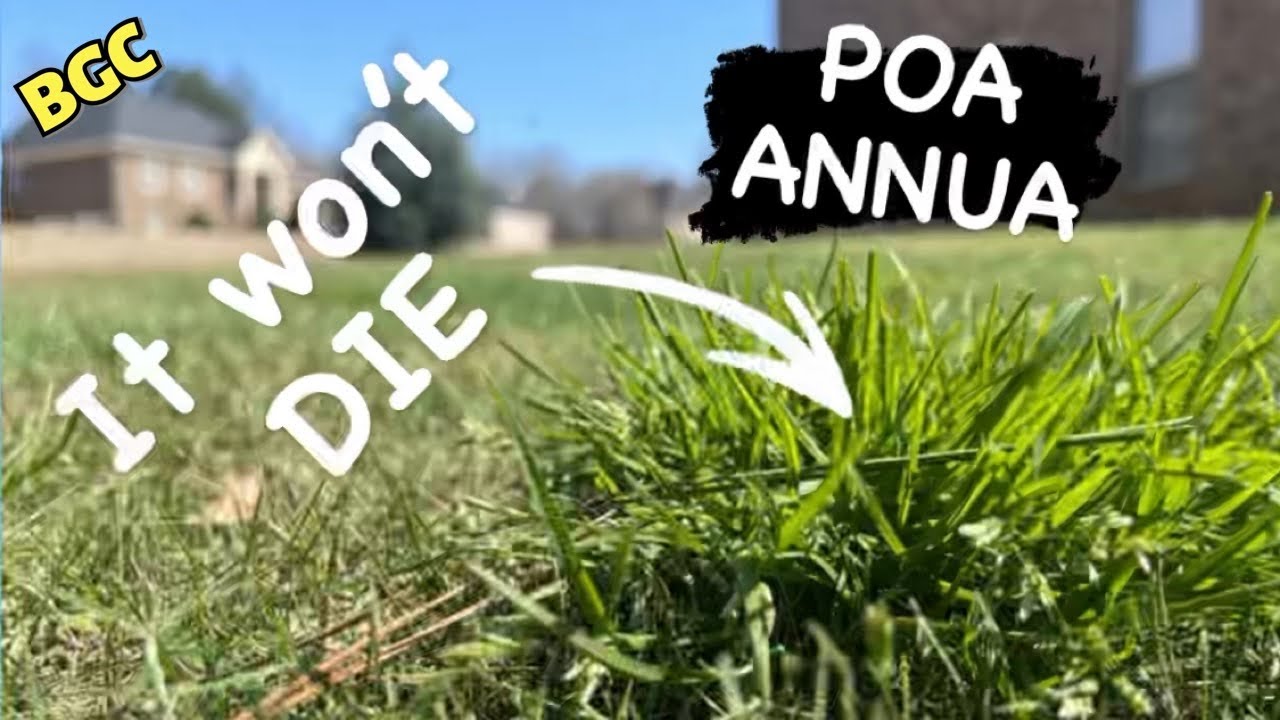
Poa Annua has a light green color, usually lighter than Bermuda grass. Its leaves are soft and thin, with a slightly folded or curled appearance. The plant often grows in clumps, creating patches that stand out in the lawn. Poa Annua produces small, white seed heads that look like tiny umbrellas. These seed heads appear mostly in spring and fall. The texture of Poa Annua is finer and less coarse than Bermuda grass.
Differences From Bermuda Grass
Bermuda grass has darker green leaves and a coarser texture. Its blades are flat and wider compared to the thin leaves of Poa Annua. Bermuda grass spreads by runners, creating a dense and even carpet. Poa Annua grows in bunches and looks patchy or uneven. The seed heads of Bermuda grass are less noticeable and form differently. Poa Annua usually dies off in hot summer months, while Bermuda grass thrives in heat.
Cultural Control Methods
Cultural control methods help manage Poa annua in Bermuda grass naturally. These methods improve the health of Bermuda grass. They reduce the space and resources that Poa annua needs to grow. Using cultural controls keeps your lawn strong and less prone to weeds.
Mowing Practices
Cut Bermuda grass at the right height. Keep the mower blade sharp for clean cuts. Mow often enough to remove only one-third of the grass blade. Avoid cutting too short. This helps Bermuda grass stay thick and healthy. Thick grass blocks sunlight from reaching Poa annua seeds.
Irrigation Management
Water Bermuda grass deeply but less often. This encourages deep roots and stronger grass. Avoid frequent shallow watering. Shallow watering helps Poa annua grow better. Water early in the day to reduce disease. Proper irrigation limits Poa annua growth by stressing it.
Soil Aeration
Aerate the soil regularly to improve air and water flow. Aeration reduces soil compaction, helping Bermuda grass roots grow. Good soil health supports strong grass. Strong Bermuda grass outcompetes Poa annua. Use core aerators to pull out small soil plugs for best results.

Credit: fairwaygreen.com
Chemical Control Options
Chemical control options help manage Poa annua in Bermuda grass effectively. These chemicals target the weed at different growth stages. Choosing the right herbicide and timing is key to success. Always follow product labels for safe use and best results.
Pre-emergent Herbicides
Pre-emergent herbicides stop Poa annua seeds from sprouting. They create a barrier in the soil that prevents seed germination. Use them before Poa annua seeds begin to grow. Common pre-emergent herbicides include pendimethalin and dithiopyr. Apply evenly across the lawn to protect the Bermuda grass.
Post-emergent Herbicides
Post-emergent herbicides kill Poa annua after it appears. These herbicides target the weed’s leaves and stems. Selective herbicides can remove Poa annua without harming Bermuda grass. Examples include glyphosate for spot treatments and fenoxaprop for broadleaf control. Always spray on calm, dry days for best effect.
Application Timing
Timing affects herbicide success. Pre-emergents work best in early spring or fall. Post-emergents are most effective when Poa annua is young and actively growing. Avoid treatment during extreme heat or drought. Repeat applications may be needed for full control.
Integrated Management Strategies
Integrated management strategies combine different methods to control Poa Annua in Bermuda grass. These strategies focus on using cultural and chemical controls together. This balanced approach helps keep Bermuda grass healthy and reduces weed growth effectively. It also lowers the chance of Poa Annua becoming resistant to herbicides.
Combining Cultural And Chemical Controls
Cultural controls include mowing, watering, and fertilizing properly. Mowing Bermuda grass at the right height stops Poa Annua from spreading. Proper watering avoids overwatering, which can favor weed growth. Fertilizing with the correct nutrients strengthens Bermuda grass to compete with Poa Annua.
Chemical controls involve using herbicides that target Poa Annua without harming Bermuda grass. Applying pre-emergent herbicides prevents Poa Annua seeds from sprouting. Post-emergent herbicides kill existing Poa Annua plants. Using both types of herbicides at the right time improves control success.
Monitoring And Maintenance
Regular monitoring helps catch Poa Annua early. Walk your lawn and check for small weed patches. Early detection makes treatment easier and less costly. Keep records of herbicide applications and lawn care activities. This information helps adjust your management plan for better results.
Maintenance means continuing good lawn care habits. Keep mowing, watering, and fertilizing on schedule. Avoid overuse of chemicals to protect the grass and soil. Healthy Bermuda grass recovers faster and resists Poa Annua invasion.
Preventing Poa Annua Recurrence
Preventing Poa Annua from coming back is key to keeping Bermuda grass healthy. It requires careful care and attention to stop weeds from growing again. Using the right methods helps maintain a strong lawn that resists Poa Annua.
Seeding And Overseeding Tips
Choose high-quality Bermuda grass seed for overseeding. Spread seed evenly to avoid bare spots. Water seeds gently but regularly until grass grows. Avoid overseeding during hot or dry weather. Healthy new grass crowds out Poa Annua seedlings. Mow the lawn at the right height to protect young grass.
Soil Health Improvement
Test soil to check pH and nutrient levels. Add lime or fertilizer based on test results. Aerate soil to improve air and water flow. Good soil helps Bermuda grass grow strong. Strong grass stops weeds from taking over. Avoid overwatering; it encourages Poa Annua growth. Keep soil healthy for long-lasting lawn health.
Credit: gcmonline.com
Frequently Asked Questions
What Herbicides Effectively Kill Poa Annua In Bermuda Grass?
Selective herbicides containing MSMA or glyphosate target Poa Annua without harming Bermuda grass. Use post-emergent products for best results. Always follow label instructions to ensure safety and effectiveness.
How Can I Prevent Poa Annua Growth In Bermuda Lawns?
Maintain healthy Bermuda grass by proper mowing, watering, and fertilization. Overseed with Bermuda grass to outcompete Poa Annua. Regularly aerate soil and apply pre-emergent herbicides in early spring.
When Is The Best Time To Treat Poa Annua In Bermuda Grass?
Early spring or fall, when Poa Annua is actively growing, is ideal. Treat during cool, moist conditions for optimal herbicide absorption and control.
Can Natural Methods Control Poa Annua In Bermuda Grass?
Cultural practices like proper mowing and watering help reduce Poa Annua. Manual removal and improving lawn health also limit its spread. However, natural methods alone may not fully eradicate it.
Conclusion
Controlling Poa Annua in Bermuda grass takes patience and care. Use the right herbicides and follow instructions closely. Regular mowing and proper watering help keep your lawn healthy. Spot treatments work best for small patches. Keep checking your lawn often to catch weeds early.
Healthy Bermuda grass grows strong and crowds out Poa Annua naturally. With consistent effort, your lawn will stay green and weed-free. Small steps make a big difference over time. Stay patient and enjoy a beautiful Bermuda lawn.
