
Are you struggling to keep your Zoysia grass green and healthy? You might be unknowingly harming it without realizing what’s causing the damage.
Understanding what kills Zoysia grass is the first step to saving your lawn and making it thrive again. You’ll discover the common mistakes and hidden threats that could be ruining your grass—and simple ways to fix them. Keep reading to protect your lawn and enjoy that lush, beautiful yard you’ve been dreaming of.
Common Pests Damaging Zoysia
Zoysia grass is popular for its thick, green carpet. Pests can harm it seriously. These pests eat roots and blades. They cause brown spots and weak grass. Knowing these pests helps protect your lawn.
Identifying Insects And Grubs
Common pests include chinch bugs, armyworms, and grubs. Chinch bugs are tiny and black with white wings. Armyworms are green or brown caterpillars. Grubs are white, C-shaped larvae that live in soil. Each pest attacks different parts of the grass.
Signs Of Pest Infestation
Look for brown patches or thinning grass. Grass blades may look chewed or ragged. Check for insects by lifting the turf. Grubs cause roots to die, making grass easy to pull up. Pests also cause stress, making grass weak and dry.
Natural Pest Control Methods
Encourage natural predators like birds and beneficial insects. Use neem oil or insecticidal soap to reduce pest numbers. Keep grass healthy by watering and mowing properly. Healthy grass fights pests better and recovers fast. Avoid harsh chemicals that harm beneficial insects.

Credit: www.walterreeves.com
Diseases Affecting Zoysia Grass
Zoysia grass is a popular lawn choice due to its dense texture and drought resistance. Yet, diseases can damage or kill this tough grass. Understanding these diseases helps protect your lawn and keep it healthy. Many diseases come from fungi that thrive in warm, wet conditions.
Diseases can make Zoysia grass turn brown, thin out, or die. Early detection and treatment are key to saving your lawn. Below are common fungal infections, their symptoms, and treatment options.
Fungal Infections To Watch For
Brown patch is a common fungal disease that causes circular brown spots. Large patch affects roots and crowns, making grass weak. Dollar spot creates small, silver-dollar-sized spots with tan centers. Leaf spot causes small, dark lesions on leaves. These infections spread quickly if conditions are right.
Symptoms Of Common Diseases
Brown or yellow patches appear on the lawn. Grass blades may look thin or wilted. You might see spots or lesions on leaves. Grass may die in patches, leaving bare soil. A white, web-like mold can appear on wet grass. Watch for slow growth and discoloration.
Treatment Options
Improve air flow by trimming nearby plants. Water grass early in the day to dry leaves fast. Remove dead grass and debris to reduce fungus spread. Use fungicides labeled for Zoysia grass diseases. Follow all instructions carefully when applying chemicals. Reseed bare areas after treatment to restore grass.
Environmental Stress Factors
Zoysia grass is tough but not invincible. Environmental stress harms its health and growth. Stress weakens the grass, making it more likely to die. Understanding these stress factors helps keep your lawn green and strong.
Impact Of Drought And Heat
Zoysia grass needs water to stay healthy. Long dry spells cause drought stress. The grass blades turn brown and dry quickly. Heat makes the problem worse by burning the grass. Without enough water, roots shrink and die. This stops the grass from growing well.
Effects Of Overwatering
Water is good, but too much is bad. Overwatering floods the soil, drowning the roots. Roots need air to breathe. Wet soil blocks air, causing root rot. Soft, mushy grass patches appear on the lawn. This problem invites diseases and pests. Proper watering keeps the grass healthy and alive.
Soil Quality And Drainage Issues
Good soil helps grass grow strong. Poor soil lacks nutrients and proper texture. Clay soils hold too much water, causing drainage problems. Waterlogged soil harms root health and growth. Sandy soils drain too fast, losing water quickly. Balanced soil and good drainage keep Zoysia grass thriving.
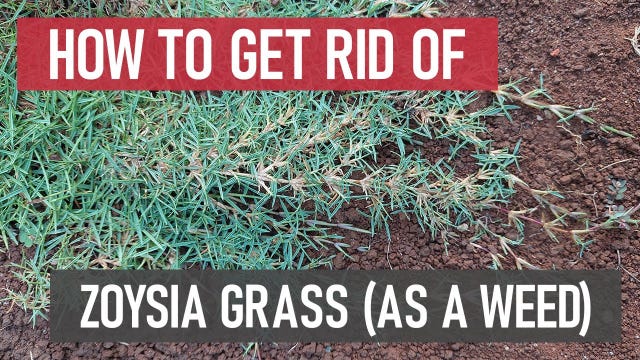
Credit: www.solutionsstores.com
Improper Lawn Care Practices
Improper lawn care practices can harm zoysia grass quickly. This grass needs the right care to stay healthy and green. Mistakes in mowing, fertilizing, or watering can kill it. Understanding these common errors helps keep your lawn strong.
Mowing Mistakes
Cutting zoysia grass too short stresses the plant. It weakens roots and invites weeds. Mowing too often or with dull blades also damages grass blades. Let the grass grow about 1 to 2 inches tall. Mow less in hot weather to avoid stress.
Fertilization Errors
Too much fertilizer burns the grass roots. Too little fertilizer causes poor growth and weak grass. Use a balanced fertilizer with the right nutrients. Apply fertilizer in spring and fall, not in summer. Follow the package instructions carefully to avoid overfeeding.
Incorrect Watering Schedules
Watering too much causes root rot and fungal diseases. Watering too little makes the grass dry and brown. Zoysia grass needs deep watering once or twice a week. Water early in the morning to reduce evaporation. Avoid watering at night to prevent mold growth.
Preventing Zoysia Grass Damage
Preventing damage to Zoysia grass is key to keeping a healthy lawn. This grass type is tough but needs care to avoid harm. Small steps can protect it from common threats like pests, diseases, and weather stress. Consistent attention keeps Zoysia green and strong all year.
Regular Lawn Maintenance Tips
Mow your Zoysia grass regularly to keep it neat. Avoid cutting too short; leave about 1 to 2 inches tall. Water your lawn deeply but less often to encourage strong roots. Remove weeds quickly to stop them from spreading. Aerate the soil once a year to improve air and water flow.
Choosing Resistant Varieties
Select Zoysia types that resist pests and diseases well. Some varieties handle heat and drought better than others. Ask local garden centers for the best options in your area. Using resistant grass lowers the chance of damage and reduces work. This choice helps your lawn stay healthy with less effort.
Seasonal Care Strategies
Adjust care routines with the seasons to protect your grass. In spring, apply fertilizer to support growth. Summer needs regular watering but avoid overwatering to prevent fungus. Fall is a good time to overseed and clear dead grass. In winter, keep off the lawn to avoid compacting frozen soil.
Credit: grasspad.com
Frequently Asked Questions
What Common Pests Kill Zoysia Grass?
Common pests like grubs, chinch bugs, and sod webworms damage Zoysia grass. They feed on roots and blades, causing brown patches and thinning. Early detection and treatment with insecticides or natural predators help protect the lawn effectively.
Can Diseases Kill Zoysia Grass Quickly?
Yes, diseases such as brown patch, dollar spot, and leaf spot can kill Zoysia grass. These fungal infections thrive in warm, humid conditions, causing discoloration and thinning. Proper lawn care, fungicide application, and good drainage reduce disease risks.
Does Overwatering Harm Zoysia Grass?
Overwatering Zoysia grass can lead to root rot and fungal growth. Excess moisture suffocates roots and weakens the grass, making it vulnerable to disease. Water only when the soil is dry to a depth of 1-2 inches for healthy growth.
How Does Drought Affect Zoysia Grass Survival?
Drought stress weakens Zoysia grass by limiting water availability. Prolonged dry periods cause browning, thinning, and eventual death if not watered. Deep, infrequent watering during drought helps maintain its health and resilience.
Conclusion
Zoysia grass needs care to stay healthy and green. Avoid too much water or poor soil. Watch out for pests and weeds that harm it. Too much shade can also kill the grass. Keep your lawn clean and cut regularly.
Small problems can grow if ignored. Healthy grass means a happy yard. Take simple steps to protect your Zoysia lawn. It will grow strong and look great all year.
