
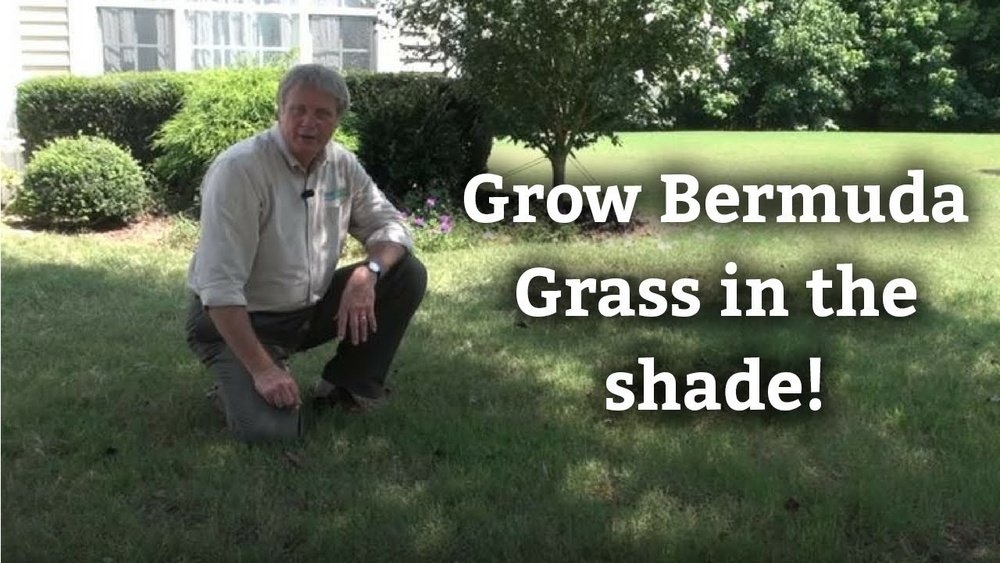
Bermuda grass struggles to thrive in heavy shade because it needs at least six hours of direct sunlight daily. While some varieties like Celebration and TifGrand tolerate partial shade better, full sun is ideal for healthy growth. Managing expectations and choosing shade-tolerant types can improve your lawn’s success in less sunny spots.
Are you struggling to keep your lawn green and healthy in shady spots? You might be wondering if Bermuda grass, known for its tough and lush appearance, can thrive without full sun.
The truth is, growing Bermuda grass in shade comes with challenges—but it’s not impossible. Understanding how much shade your lawn gets and what to expect can save you time and effort. Keep reading to discover whether Bermuda grass is the right choice for your shady yard and learn practical tips to make your lawn look its best.

Credit: www.youtube.com
Bermuda Grass Basics
Bermuda grass is a popular choice for lawns, sports fields, and landscapes. It has a bright green color and a fine texture. This grass grows fast and spreads easily. People like it because it is tough and can handle heavy use. Understanding Bermuda grass basics helps you care for it better.
Growth Requirements
Bermuda grass needs plenty of sunlight. It grows best in full sun, about 6 to 8 hours daily. The grass prefers warm temperatures between 75°F and 95°F. It grows well in sandy, well-drained soils. Bermuda grass does not like shade or wet soil. It needs regular watering but avoids waterlogging.
Common Uses
This grass is often used for lawns in warm regions. It covers large areas like parks and sports fields. Golf courses use Bermuda grass on fairways and tees. It works well for erosion control on slopes. Its thick growth helps keep soil in place. This grass also suits playgrounds and home gardens.
Shade Impact On Bermuda Grass
Bermuda grass is a popular choice for lawns due to its durability and green color. But shade can change how well this grass grows. Understanding how shade affects Bermuda grass helps maintain a healthy lawn. It needs certain conditions to thrive.
Light Needs
Bermuda grass requires a lot of sunlight. It grows best with at least six to eight hours of direct sun daily. Less light means slower growth. Shade blocks sunlight, reducing the energy the grass gets. This makes it harder for Bermuda grass to stay green and strong.
Effects Of Shade
Shade causes Bermuda grass to thin out and lose color. The grass may turn yellow or brown under heavy shade. Shade also encourages weeds and moss to grow. These compete with Bermuda grass for nutrients and water. Over time, the lawn looks patchy and weak. Proper sunlight is key for a thick, healthy Bermuda lawn.
Choosing The Right Bermuda Grass Variety
Choosing the right Bermuda grass variety matters a lot for shaded areas. Not all Bermuda grasses grow well without enough sunlight. Some types handle shade better and stay green longer. Picking the right variety helps your lawn look healthy and thick even in less sunny spots.
Shade-tolerant Types
Some Bermuda grass types can grow in partial shade. These varieties have better shade tolerance and survive with less sun. Common shade-tolerant types include Celebration and TifGrand. They stay greener and grow more evenly in shaded lawns. These types need less direct sunlight than regular Bermuda grass.
Comparing Varieties
Different Bermuda grasses have unique strengths and weaknesses. Some grow fast but need full sun. Others grow slower but handle shade well. Celebration is known for its shade tolerance and good color. Tifway has good durability but needs more sunlight. Choose a variety based on how much shade your lawn gets. This helps your grass stay strong and healthy year-round.

Credit: www.augustachronicle.com
Improving Growth In Shaded Areas
Growing Bermuda grass in shaded areas is challenging but possible. The grass needs sunlight to thrive. Improving growth under shade requires careful care and smart steps. Small changes can help the grass get more light and nutrients.
Pruning Trees And Shrubs
Cutting back trees and shrubs lets more sunlight reach the grass. Thin branches and leaves that block light. Keep the area open to air and sun. This helps Bermuda grass grow stronger and greener in shade.
Optimizing Soil Conditions
Good soil helps Bermuda grass survive in low light. Test soil to check pH and nutrients. Add compost or fertilizer to improve soil health. Well-drained soil prevents root problems. Healthy soil supports better grass growth under shade.
Watering And Fertilizing Tips
Watering and fertilizing Bermuda grass in shaded areas needs special care. Shade affects how much water and nutrients the grass uses. Adjust your routine to keep the grass healthy and green.
Adjusting Watering In Shade
Bermuda grass in shade uses less water than in full sun. Water deeply but less often to avoid soggy soil. Check the soil moisture regularly. Water when the top inch feels dry. Early morning watering reduces evaporation. Avoid overwatering to prevent root problems and disease.
Nutrient Management
Shade reduces Bermuda grass growth and nutrient needs. Use a balanced fertilizer with nitrogen, phosphorus, and potassium. Apply fertilizer at half the rate used for sunny lawns. Feed the grass every 6 to 8 weeks during the growing season. Avoid over-fertilizing, which can stress the grass in shade. Test soil to adjust nutrient levels accurately.

Credit: www.augustachronicle.com
Alternatives For Shady Lawns
Shady lawns need special care and the right plants to grow well. Bermuda grass struggles in low light. Choosing the right alternative makes your lawn look green and healthy. Some plants grow better in shade. They need less sunlight and stay lush.
Here are some good options for shady areas. These plants can handle less sun and bring life to your lawn. They also need less water and care than Bermuda grass in shade.
Grass Alternatives
Some grasses grow well in shade. They have better tolerance for low light. Fine fescue is one of the best choices. It stays green and soft under trees and shadows. St. Augustine grass also does well in shade. It is thick and tough. Zoysia grass can survive in partial shade. These grasses keep your lawn green without much sun.
Ground Covers
Ground covers are great for shady spots. They spread quickly and cover bare soil. Some types are beautiful and low maintenance. Creeping thyme is a fragrant option. It grows low and blooms small flowers. Pachysandra is evergreen and stays green all year. Ivy can cover large areas and looks natural. Ground covers protect soil from erosion. They also reduce weeds and need less mowing.
Frequently Asked Questions
Does Bermuda Grass Grow Well In Shaded Areas?
Bermuda grass prefers full sunlight and struggles in heavy shade. It can survive in light shade but won’t grow thick or lush. For best results, provide at least 6-8 hours of direct sunlight daily.
How Much Shade Can Bermuda Grass Tolerate?
Bermuda grass tolerates up to 3-4 hours of light shade daily. Beyond this, growth slows, and the grass becomes thin and patchy. It is not ideal for heavily shaded lawns.
Can Bermuda Grass Survive Under Trees?
Bermuda grass may survive under trees with filtered sunlight. However, dense tree canopies reduce sunlight, limiting grass growth. Regular trimming of branches can help increase sunlight exposure.
What Grass Types Grow Better Than Bermuda In Shade?
For shaded areas, consider shade-tolerant grasses like St. Augustine, Zoysia, or Fine Fescue. These grasses perform better under low light and can maintain healthy growth where Bermuda struggles.
Conclusion
Bermuda grass needs plenty of sunlight to grow strong. Shade can slow its growth and make it thin. Some areas with light shade might still support it. But deep shade usually hurts the grass. Choose the right spot for your Bermuda lawn.
Water and care also help it stay healthy. If shade covers most of your yard, consider other grass types. Healthy grass means a beautiful lawn you can enjoy every day.
