

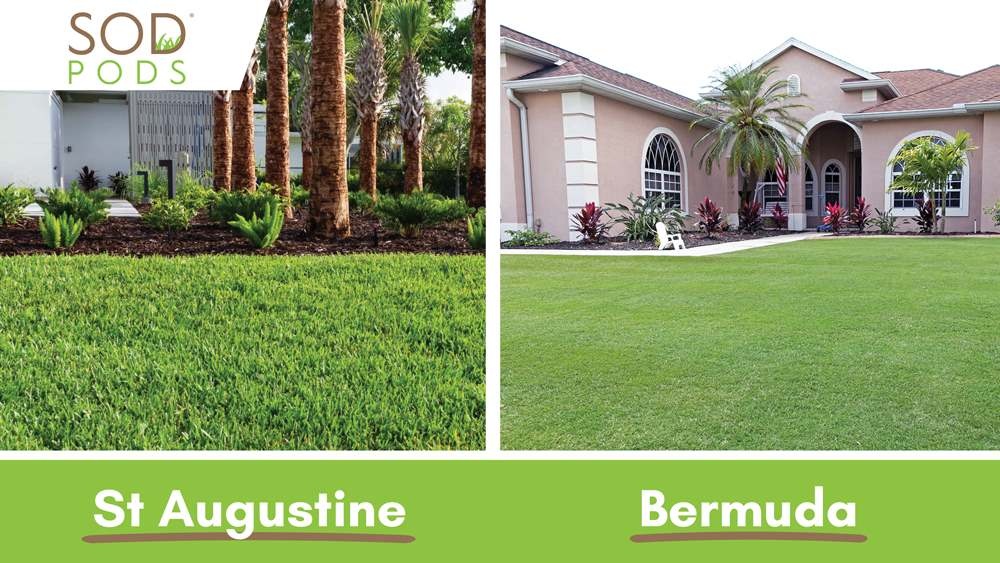
You can mix Bermuda grass with St. Augustine, but it requires careful management. Bermuda thrives in full sun and drier soil, while St. Augustine prefers some shade and more moisture. Combining them may lead to uneven growth and maintenance challenges, so understanding their differences is key before planting both together.
Are you wondering if you can mix Bermuda grass with St. Augustine in your lawn? You’re not alone.
Many homeowners want a lush, green yard but aren’t sure if combining these two popular grasses is a good idea. Mixing different grass types can seem tricky, but it might just be the secret to a healthier, more resilient lawn.
Keep reading to discover what happens when you mix Bermuda and St. Augustine, and whether it’s the right choice for your outdoor space.
Bermuda Grass Basics
Bermuda grass is a popular choice for lawns in warm climates. It grows fast and forms a thick, green carpet. Many homeowners like it for its durability and bright color. Understanding Bermuda grass basics helps decide if it fits your yard or mixes well with other grasses.
Here are some key facts about Bermuda grass to know before planting or mixing it with St. Augustine grass.
Growth Habits
Bermuda grass spreads quickly through runners called stolons and underground stems called rhizomes. This helps it cover large areas fast. It grows low to the ground and forms a dense turf. The grass recovers well from damage and foot traffic.
Climate Preferences
Bermuda grass thrives in warm weather and sunny spots. It grows best in temperatures between 75 and 95 degrees Fahrenheit. It does not do well in shade or cold climates. This grass handles drought better than many other types.
Maintenance Needs
Bermuda grass needs regular mowing to keep it neat and healthy. It prefers moderate watering but can survive dry spells. Fertilizing helps keep its green color and growth strong. Watch for weeds as Bermuda grass can be slow to fill bare spots.
Credit: www.youtube.com
St Augustine Grass Essentials
St Augustine grass is a popular choice for warm climates. It grows thick and green, creating a lush lawn. This grass type has unique features that make it stand out. Understanding these basics helps you decide if it fits your yard.
Knowing how to care for St Augustine grass keeps it healthy. It needs certain conditions to thrive. Learning these details makes lawn care easier and more effective.
Characteristics
St Augustine grass has wide, flat blades. The grass forms a dense carpet that resists weeds. It grows quickly and spreads through above-ground runners. Its color is bright green, giving a fresh look. It handles heat well but can struggle in cold weather.
Ideal Growing Conditions
St Augustine prefers warm, humid climates. It grows best in full sun but tolerates light shade. The soil should be well-drained and rich in nutrients. It needs regular watering, especially during dry spells. This grass does not like heavy foot traffic.
Care Requirements
Water St Augustine deeply and less often. Mow regularly but avoid cutting too short. Use fertilizer in spring and summer for strong growth. Watch for pests like chinch bugs and treat quickly. Aerate the soil yearly to improve health.
Compatibility Factors
Mixing Bermuda grass with St. Augustine grass requires careful thought. Both grasses have unique needs and habits. Understanding their compatibility factors helps create a healthy lawn. This section covers key points about soil, water, sunlight, and growth.
Soil And Water Needs
Bermuda grass thrives in well-drained soil with moderate moisture. It handles drought better than St. Augustine. St. Augustine prefers moist, fertile soil and does not like dry conditions. Overwatering can harm Bermuda grass but helps St. Augustine. Balancing water is important to keep both grasses healthy.
Sunlight Tolerance
Bermuda grass loves full sun and grows best in bright areas. It struggles in shade and may thin out. St. Augustine grows well in partial shade to full sun. It tolerates shaded spots better than Bermuda. Mixing these grasses works better in sunny lawns with some shaded areas.
Growth Patterns
Bermuda grass spreads quickly by runners and fills gaps fast. It can take over areas if not controlled. St. Augustine grows slower and spreads through above-ground stolons. It forms a dense, carpet-like cover. Their different growth speeds can cause one grass to dominate. Regular lawn care helps balance their growth patterns.

Credit: trysodpods.com
Mixing Challenges
Mixing Bermuda grass with St. Augustine can seem like a good idea for a fuller lawn. Both grasses have strengths, but growing them together brings challenges. These issues affect lawn health and appearance. Understanding these challenges helps you decide if mixing these grasses suits your yard.
Competition For Resources
Bermuda and St. Augustine both need water, sunlight, and nutrients. Bermuda grows fast and spreads quickly. It can take more water and nutrients than St. Augustine. This can cause St. Augustine to weaken and die out. The lawn may end up mostly Bermuda grass over time. This competition makes it hard to keep both grasses healthy.
Appearance Differences
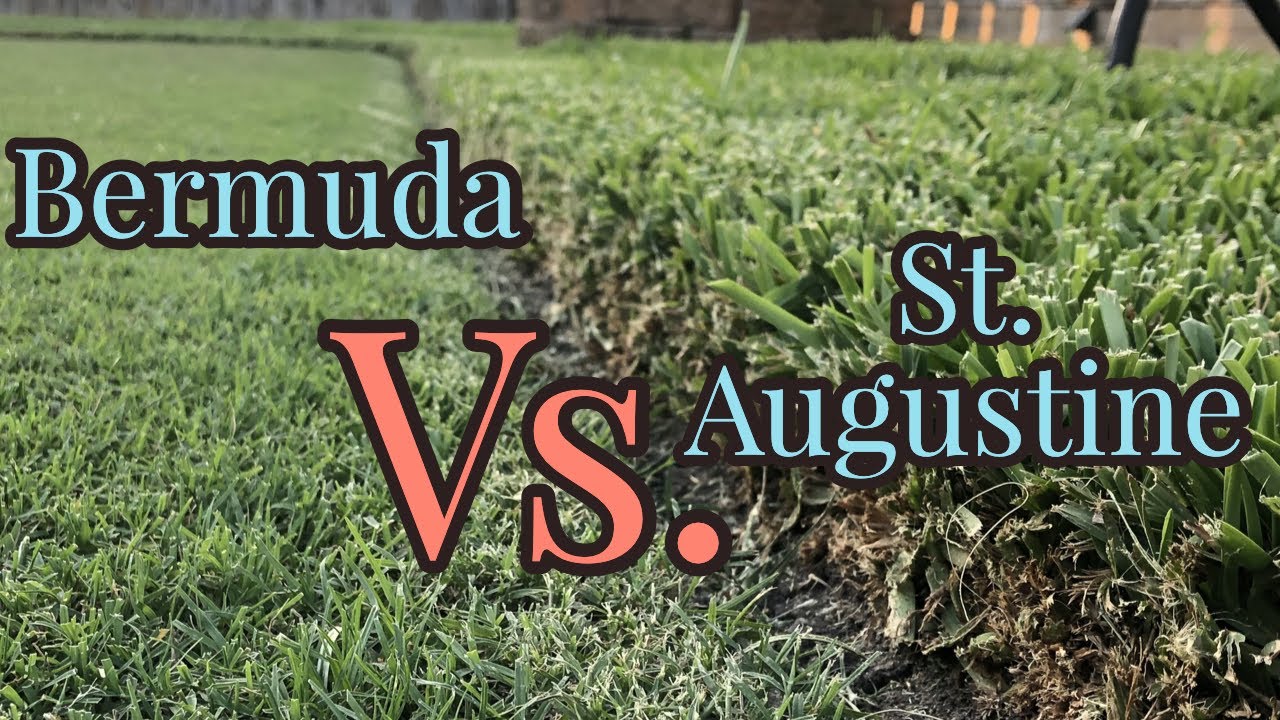
Bermuda grass has a fine texture and light green color. St. Augustine has wider blades and a darker green shade. Mixing them creates a patchy look. The lawn may look uneven and messy. This difference can reduce the lawn’s visual appeal. It may not give the smooth, uniform look many want.
Disease And Pest Risks
Bermuda and St. Augustine face different diseases and pests. Mixing them can increase the risk of problems spreading. One grass may bring pests that harm the other. Some diseases affect one grass more than the other. Managing pests and diseases becomes more difficult with mixed grasses. This can cause more damage and require extra care.
Successful Blending Tips
Blending Bermuda grass with St. Augustine grass can create a lush, green lawn with unique texture and color. Success depends on careful planning and proper care. Follow these tips to help both grasses grow well together.
Seeding Techniques
Bermuda grass grows from seeds, while St. Augustine spreads through plugs or sod. Start by planting Bermuda seeds evenly across the lawn. Then, place St. Augustine plugs in spaces between the Bermuda. This method helps the grasses fill in gaps quickly. Water the area gently after planting to keep seeds and plugs moist.
Maintenance Strategies
Both grasses need regular mowing, but at different heights. Cut Bermuda grass shorter than St. Augustine. Set your mower to a height that suits the taller St. Augustine. Water deeply but less often to encourage strong roots. Fertilize with a balanced mix for both grass types. Control weeds carefully, as they can harm young plants.
Seasonal Considerations
Bermuda grass thrives in hot, dry weather and goes dormant in winter. St. Augustine stays green longer but dislikes cold. Plant Bermuda seeds in late spring or early summer. Place St. Augustine plugs in early summer for best growth. Adjust watering and mowing based on the season to keep both grasses healthy year-round.

Credit: www.reddit.com
Alternative Lawn Solutions
Alternative lawn solutions offer creative ways to enhance your yard. They help solve common lawn problems and improve curb appeal. Mixing different grasses or using ground covers can create a unique and healthy lawn. Exploring lawn renovation ideas gives you fresh options for tired spaces.
Other Grass Combinations
Combining grasses can work if you choose types with similar needs. Bermuda and St. Augustine have different growth habits and light needs. Instead, try pairing St. Augustine with Zoysia for better harmony. Tall fescue with Kentucky bluegrass suits cooler climates well. Choosing grasses that complement each other improves lawn health and appearance.
Ground Cover Options
Ground covers add texture and reduce grass care needs. Plants like clover, creeping thyme, or mondo grass work well. They control weeds and need less water than grass. Ground covers thrive in shady or tough spots. Using ground covers creates a lush, green look without constant mowing.
Lawn Renovation Ideas
Renovating your lawn refreshes its look and health. Start by removing damaged grass and aerating the soil. Add organic compost to enrich the ground. Reseed with a grass type suited for your climate. Consider adding mulch or stones to reduce grass areas. Renovation brings new life and helps manage lawn challenges.
Frequently Asked Questions
Can Bermuda Grass And St. Augustine Grow Together?
Yes, Bermuda and St. Augustine can grow together, but they have different growth habits. Bermuda spreads quickly and thrives in full sun, while St. Augustine prefers shade. Mixing them requires careful maintenance to prevent Bermuda from overtaking St. Augustine.
What Are The Benefits Of Mixing Bermuda And St. Augustine?
Mixing Bermuda and St. Augustine can create a resilient lawn with varied textures. Bermuda provides drought tolerance, while St. Augustine offers shade tolerance. Together, they can improve lawn durability across different light and moisture conditions.
Will Bermuda Grass Overtake St. Augustine Grass?
Bermuda grass is aggressive and can overtake St. Augustine if not controlled. Regular mowing and edging are needed to keep them balanced. Without management, Bermuda’s fast growth can dominate the slower-growing St. Augustine.
How To Maintain A Mixed Bermuda And St. Augustine Lawn?
Maintain mixed lawns by mowing Bermuda low and St. Augustine higher. Water according to St. Augustine’s needs, which are higher. Fertilize based on both grasses’ requirements to keep them healthy and balanced.
Conclusion
Mixing Bermuda grass with St. Augustine can work in some yards. Both types have different needs and growth habits. Bermuda grass grows fast and loves sun. St. Augustine prefers shade and grows slower. Blending them might create uneven patches. You must water and mow carefully to keep both healthy.
Know your lawn’s sunlight and soil before planting. This mix can suit certain areas but not all. Choose the right grass for your yard’s conditions. A balanced lawn needs proper care and attention.
