
Bermuda grass should be cut to a height between 1 and 2 inches for optimal health. Keeping it within this range promotes strong roots and a lush lawn, while cutting too short can cause stress and cutting too tall encourages weeds. Adjust mowing height seasonally for best results.
Are you wondering how short you should cut your Bermuda grass to keep it healthy and green? Cutting it too short or too long can harm your lawn, but finding the perfect height isn’t as tricky as it seems.
You’ll discover the ideal Bermuda grass length that helps your lawn stay strong, look great, and resist weeds. Keep reading to learn simple tips that will make your yard the envy of the neighborhood.
Ideal Height For Bermuda Grass
Bermuda grass needs proper cutting to stay healthy and green. Cutting it to the right height helps the grass grow strong. Too short or too tall can cause problems. This section explains the ideal height for Bermuda grass to keep your lawn looking great all year.
Optimal Cutting Length
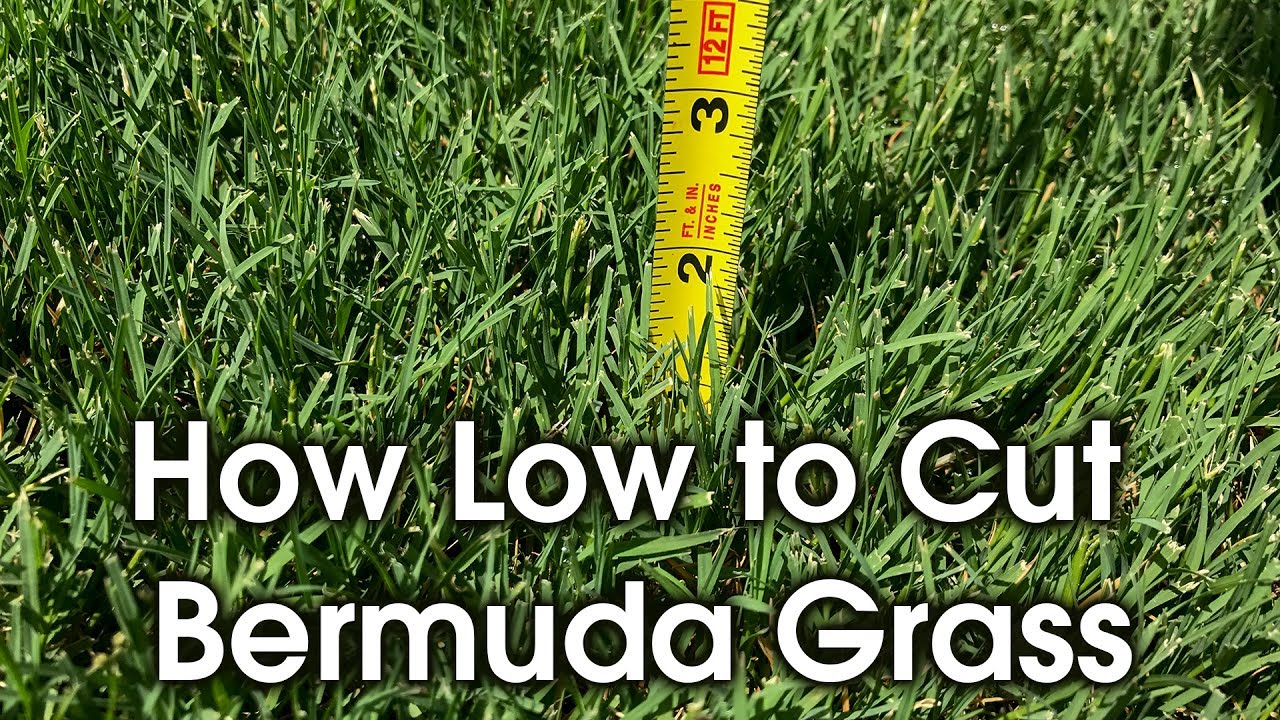
The best height for Bermuda grass is between 1 and 2 inches. This length keeps the grass thick and lush. Cutting shorter than 1 inch can stress the grass. It may cause brown spots and weak roots. Cutting higher than 2 inches can make the lawn look messy. It also allows weeds to grow more easily.
Seasonal Height Adjustments
Adjust the cutting height based on the season. During hot summer months, raise the height to about 2 inches. Taller grass helps keep the soil cool and moist. In cooler months, you can lower it to about 1 inch. Shorter grass grows better in spring and fall. Changing height with seasons keeps Bermuda grass healthy all year.

Credit: www.youtube.com
Benefits Of Proper Mowing Height
Proper mowing height plays a big role in keeping Bermuda grass healthy and strong. Cutting the grass at the right height helps it grow better and look nicer. It also helps the lawn fight weeds and save water. Mowing too short or too tall can cause problems. Here are some benefits of cutting Bermuda grass at the correct height.
Improved Lawn Health
Cutting Bermuda grass at the right height keeps it healthy. It helps roots grow deeper and stronger. A healthy root system makes the grass last through dry times. Proper height also stops the grass from getting weak and thin. Strong grass resists pests and diseases better. The lawn looks green and thick with regular, correct mowing.
Weed Control
Grass cut to the right height blocks sunlight from reaching weed seeds. This stops weeds from growing. Taller grass blades shade the soil and crowd out weeds. Mowing too short weakens Bermuda grass and lets weeds take over. Keeping the right height creates a natural barrier. This means fewer weeds and less need for herbicides.
Water Efficiency
Proper mowing height helps Bermuda grass use water well. Taller grass blades hold moisture longer. This lowers water evaporation from the soil. Deep roots reach water deep in the ground. The lawn stays green with less watering. Cutting grass too short causes dry, brown spots. Correct height saves water and keeps your lawn fresh.
Common Mowing Mistakes
Mowing Bermuda grass may seem simple. Yet, many people make common mistakes. These errors can harm the grass. They reduce its health and beauty. Avoiding these mistakes keeps the lawn green and strong.
Cutting Too Short
Cutting Bermuda grass too short can stress the plant. It removes too many leaves at once. This weakens the roots and slows growth. The grass may turn yellow or brown. Cutting at the right height helps the grass stay healthy. A good rule is to never cut more than one-third of the blade length.
Uneven Cutting
Uneven cutting leaves some parts taller than others. This creates a patchy and untidy lawn. It can cause weak spots where weeds grow easily. Sharp mower blades and steady speed help make the cut even. Check the mower height before starting. Regular blade sharpening also improves cutting quality.
Mowing Frequency Errors
Mowing too often or too rarely harms Bermuda grass. Cutting too often stresses the grass and wastes time. Cutting too rarely lets the grass grow too tall. Tall grass shades the lower leaves, reducing growth. Find a balance by mowing when the grass grows about one-third longer than the ideal height.
Choosing The Right Mower
Choosing the right mower affects how well Bermuda grass grows. The mower must cut the grass evenly. It must also keep the grass healthy and green.
Different mowers offer different cutting heights and styles. Some mowers work better on Bermuda grass than others. Picking the right one makes lawn care easier and better.
Types Of Mowers For Bermuda Grass
Reel mowers give a clean and precise cut. They are best for short Bermuda grass. They cut the grass like scissors, not tearing it.
Rotary mowers are common and easy to use. They are good for medium to high cutting heights. They handle thick or tall Bermuda grass well.
Riding mowers cover large lawns fast. They allow easy adjustment for cutting height. Great for big Bermuda grass areas.
Blade Maintenance Tips
Sharp blades cut grass cleanly and reduce stress on grass. Dull blades tear grass, causing brown edges and disease.
Check mower blades regularly for sharpness. Sharpen blades at least twice a season or more if needed.
Clean blades after each use to remove grass clippings and dirt. This prevents rust and keeps blades sharp longer.
Seasonal Lawn Care Tips
Seasonal care is key to healthy Bermuda grass. Each season needs a different mowing height. Adjusting the cut helps the grass grow strong and green. Follow these tips to keep your lawn looking its best all year.
Spring Preparation
Start mowing higher in spring. Set blades to about 2.5 to 3 inches. This helps the grass recover from winter. Remove dead leaves and debris. Fertilize lightly to boost growth. Water the lawn evenly but not too much.
Summer Maintenance
Cut Bermuda grass shorter in summer. Keep the height around 1.5 to 2 inches. Short grass handles heat and drought better. Mow often to avoid cutting too much at once. Water deeply but less often. This encourages deep roots.
Fall Adjustments
Raise the mower blades to about 2 inches in fall. This helps the grass store energy for winter. Fertilize with a high-potassium mix. Reduce watering as temperatures drop. Rake leaves to prevent mold and pests.
Winter Dormancy
Bermuda grass goes dormant in winter. Let it rest with a height of 2 to 2.5 inches. Avoid heavy foot traffic to prevent damage. No need to fertilize or water much. Keep the lawn clean and clear of debris.
Credit: theturfgrassgroup.com
Additional Tips For A Lush Lawn
Keeping Bermuda grass healthy needs more than just cutting it right. A few simple care steps help your lawn stay green and full. These extra tips make the grass stronger and the soil richer. Your yard will look fresh and inviting all year.
Fertilization Schedule
Feed Bermuda grass with nitrogen-rich fertilizer. Apply it every 6 to 8 weeks during spring and summer. Avoid fertilizing in fall or winter. Use slow-release fertilizer for steady growth. Follow package instructions for the right amount. This helps the grass grow thick and green.
Watering Best Practices
Water the lawn deeply but less often. Aim for about 1 inch of water each week. Early morning is the best time to water. This reduces evaporation and disease risks. Use a sprinkler that covers the area evenly. Avoid watering in the heat of the day.
Aeration Benefits
Aerate the lawn once a year, preferably in spring. This process makes holes in the soil. It helps air, water, and nutrients reach the roots. Aeration reduces soil compaction and promotes strong growth. Use a core aerator for best results. Your Bermuda grass will breathe better and grow thicker.
Credit: www.youtube.com
Frequently Asked Questions
How Short Should Bermuda Grass Be Cut?
Bermuda grass should be cut between 1 to 2 inches high. This height encourages dense growth and prevents weed invasion. Cutting too short can stress the grass and reduce its health. Regular mowing at this height keeps the lawn green and vibrant.
What Is The Ideal Mowing Frequency For Bermuda Grass?
Mow Bermuda grass every 5 to 7 days during the growing season. Frequent mowing promotes healthy growth and prevents thatch buildup. Adjust frequency based on growth rate and weather conditions. Avoid cutting more than one-third of the blade at once to reduce stress.
Can Bermuda Grass Be Cut Too Short?
Yes, cutting Bermuda grass too short, below 1 inch, can damage the roots. It weakens the grass, making it prone to disease and drought stress. Maintaining the recommended height ensures strong, healthy turf that recovers quickly from mowing.
Why Is Mowing Height Important For Bermuda Grass Health?
Proper mowing height helps Bermuda grass develop deep roots and thick blades. It improves drought tolerance and reduces weed growth. Cutting at the right height also enhances photosynthesis and nutrient absorption. This leads to a lush, green lawn all season long.
Conclusion
Cutting Bermuda grass to the right height keeps it healthy and green. Trim it too short, and the grass may get weak or dry out. Keep the blades around one to two inches long for best results. This length helps the grass grow strong roots and resist weeds.
Regular mowing at this height also makes your lawn look neat and fresh. Remember, steady care leads to a lawn you can enjoy all year. Simple steps like proper cutting make a big difference in lawn health.
