
Atrazine does not kill Bermuda grass but targets many broadleaf and grassy weeds that compete with it. It’s safe to use on established Bermuda grass lawns to control unwanted weeds without damaging the grass itself, as long as you apply it carefully and follow label directions.
Are you struggling with Bermuda grass taking over your lawn or garden? You might be wondering if Atrazine can help you get rid of it.
Understanding how Atrazine works and whether it’s effective against Bermuda grass is key to making the right choice for your yard. You’ll discover the truth about Atrazine’s impact on Bermuda grass and learn what steps you should take next to keep your lawn healthy and under control.
Keep reading to find out everything you need to know before using Atrazine on your Bermuda grass.
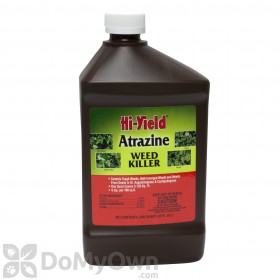
Credit: www.domyown.com
Atrazine And Bermuda Grass
Atrazine is a common herbicide used in many lawns and farms. Understanding how it affects Bermuda grass helps gardeners and farmers make smart choices. Bermuda grass is a popular lawn grass known for its tough nature and quick growth. Knowing the interaction between atrazine and Bermuda grass can prevent damage and keep lawns healthy.
This section explains what atrazine is, the key traits of Bermuda grass, and how atrazine impacts it.
What Is Atrazine?
Atrazine is a chemical used to kill weeds. It blocks photosynthesis in plants, stopping their growth. Farmers use it mainly on corn and sorghum fields. It controls broadleaf and grassy weeds effectively. Atrazine stays in the soil for some time. This helps prevent new weeds from growing. It is a widely used herbicide but needs careful application.
Bermuda Grass Characteristics
Bermuda grass is warm-season grass. It grows best in hot and sunny places. This grass spreads fast through runners and seeds. It is very durable and recovers quickly from damage. People use it for lawns, sports fields, and pastures. Bermuda grass has a deep green color. It requires regular mowing and watering for best growth.
Atrazine’s Impact On Bermuda Grass
Atrazine can harm Bermuda grass if used incorrectly. The grass may turn yellow and weak after exposure. Atrazine affects the grass by blocking its food production. Young Bermuda grass is more sensitive to atrazine. Older, well-established grass may tolerate low amounts better. Using the right dose and timing reduces damage risks. Always follow label instructions to protect Bermuda grass.

Credit: www.reddit.com
Using Atrazine For Weed Control
Atrazine is a common herbicide used to control many types of weeds. It works by stopping weed growth early. Many gardeners and farmers use it to keep their lawns and fields healthy. Atrazine is effective but must be used carefully. Knowing how and when to apply it helps get the best results.
Target Weeds For Atrazine
Atrazine mainly targets broadleaf weeds and some grassy weeds. It works well on dandelions, clover, and chickweed. It also helps control crabgrass and foxtail. Atrazine does not kill Bermuda grass. This makes it useful for lawns with Bermuda grass that have weed problems. It keeps the lawn green while removing unwanted plants.
Application Methods
Atrazine can be applied as a spray or granules. Spraying allows even coverage on weed leaves. Granules spread easily on large areas. Always follow the label instructions for the right dose. Use protective gear during application to avoid skin contact. Water the lawn lightly after applying granules to help absorption.
Optimal Timing For Treatment
Apply atrazine in early spring or fall for best results. These seasons are when weeds start growing. Treat the lawn before weeds get too big. Avoid using atrazine during hot, dry weather. This can stress the grass and reduce herbicide effectiveness. Regular treatments may be needed for heavy weed infestations.
Safety And Precautions
Using atrazine to control Bermuda grass requires care and attention to safety. This section covers important precautions to protect the environment, other plants, and yourself. Follow these guidelines to use atrazine responsibly and effectively.
Environmental Considerations
Atrazine can affect water sources if not applied carefully. Avoid spraying near rivers, lakes, or wells. Rain can wash atrazine into water, harming fish and other wildlife. Use only the recommended amount to reduce environmental risks. Always check local rules before applying atrazine.
Protecting Non-target Plants
Atrazine is strong and may damage plants other than Bermuda grass. Keep spray away from flowers, shrubs, and trees you want to keep. Use barriers or shields to stop spray drift. Apply on calm days to avoid wind spreading the chemical. This helps protect your garden and nearby crops.
Handling And Storage Tips
Wear gloves, long sleeves, and eye protection when handling atrazine. Avoid breathing in sprays or dust. Store atrazine in a cool, dry place out of children’s reach. Keep the container tightly closed. Dispose of empty containers safely to prevent pollution.
Alternative Weed Control Strategies
Controlling Bermuda grass without atrazine calls for different approaches. These alternatives help manage weeds while protecting your lawn. Using various methods together gives better control. Here are some effective strategies to consider.
Mechanical Removal
Pulling Bermuda grass by hand works well in small areas. Use a garden fork or hoe to loosen the roots. This method avoids chemicals and is safe for all plants. Regular removal stops Bermuda grass from spreading. It takes time but keeps your lawn healthy and clean.
Other Herbicides
Non-selective herbicides kill all plants they touch. Use them carefully only on unwanted Bermuda patches. Selective herbicides target specific weeds but leave grass unharmed. Read labels to choose products safe for your lawn type. Rotate herbicides to prevent resistant Bermuda grass growth.
Cultural Practices For Healthy Lawns
Strong grass crowds out Bermuda grass naturally. Mow regularly at the right height for your lawn. Water deeply but less often to encourage deep roots. Fertilize with balanced nutrients to boost grass health. Aerate soil to improve air and water flow. Healthy lawns resist weed invasion better.
Troubleshooting Common Issues
Troubleshooting common issues with Atrazine and Bermuda grass helps protect your lawn. Knowing what to watch for saves time and effort. It also improves the health of your grass and controls weeds better.
Understanding the signs of herbicide damage, dealing with resistant weeds, and knowing when to reapply treatments are key steps.
Signs Of Herbicide Damage
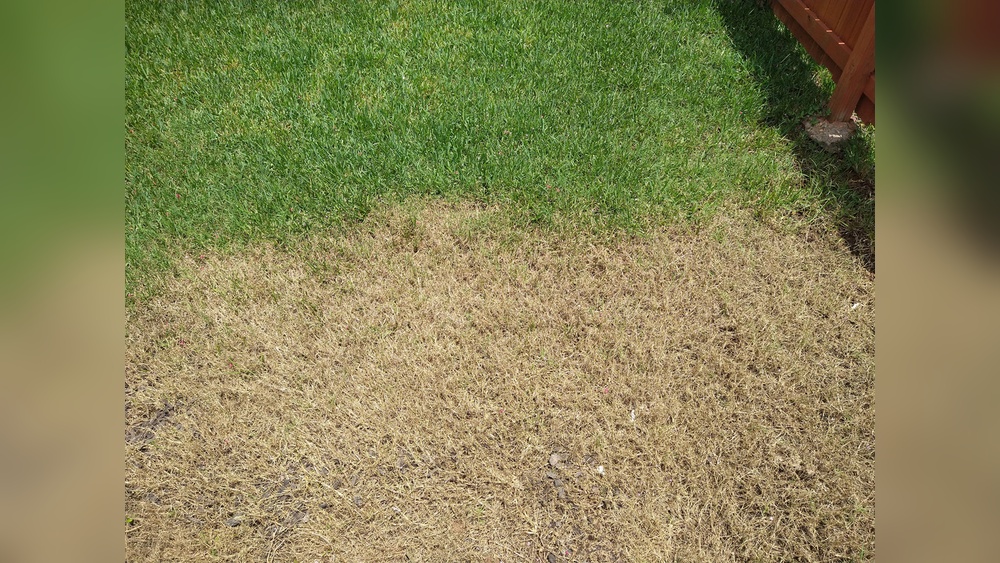
Yellowing or browning of Bermuda grass leaves can show herbicide damage. The grass may look thin or patchy. Leaf edges might curl or turn dry. Slow growth is another warning sign. Spot these signs early to adjust your care routine.
Dealing With Resistant Weeds
Some weeds do not die after Atrazine application. These resistant weeds need a different approach. Use a different herbicide that targets those weeds. Manual removal also helps prevent spread. Rotate herbicides to avoid resistance buildup.
When To Reapply Treatments
Reapply Atrazine if weeds return or grow back quickly. Wait at least four weeks between applications. Avoid overuse to protect your grass and soil. Follow label instructions for safe and effective use. Timing is important for best results.

Credit: www.reddit.com
Frequently Asked Questions
Does Atrazine Effectively Kill Bermuda Grass?
Atrazine is not effective for killing Bermuda grass. It primarily controls broadleaf weeds and some grassy weeds but does not target Bermuda grass. For Bermuda grass control, other herbicides like glyphosate or specific grass herbicides are recommended.
Can Atrazine Harm Bermuda Grass If Applied?
Atrazine generally does not harm Bermuda grass when applied correctly. It is selective and targets broadleaf weeds. However, misuse or high concentrations may stress Bermuda grass. Always follow label instructions for safe application to avoid damage.
What Herbicides Work Best Against Bermuda Grass?
Glyphosate and certain grass-specific herbicides are best for killing Bermuda grass. Atrazine is ineffective for this purpose. Use herbicides labeled for Bermuda grass control and follow application guidelines for optimal results.
Is Atrazine Safe For Lawn Use With Bermuda Grass?
Atrazine is usually safe for lawns with Bermuda grass. It controls broadleaf weeds without harming Bermuda grass if used properly. Always check product labels and apply according to recommended rates to protect your lawn.
Conclusion
Atrazine can harm Bermuda grass, but results vary by amount used. Using it carefully helps control unwanted weeds without killing all the grass. Always follow product instructions to protect your lawn. Testing on a small area first is a smart move.
This way, you avoid surprises and keep your grass healthy. Understanding how atrazine works helps you choose the best care for your yard. Stay informed and watch your Bermuda grass grow strong.
