

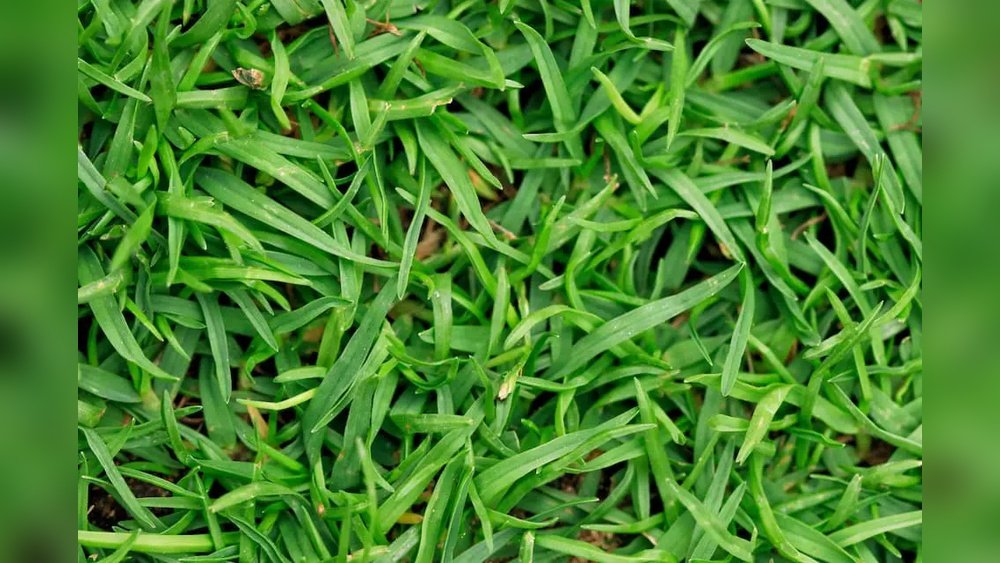
The best time to fertilize Bermuda grass is during its active growing season, starting in spring after the last frost and continuing through summer with balanced feeding. Early fall is also important for root strengthening before dormancy. Timing and fertilizer type depend on the grass’s growth stage and seasonal needs.
Are you wondering when the best time is to fertilize your Bermuda grass? Getting the timing right can make all the difference in having a lush, green lawn that stands out.
Fertilizing too early or too late might leave your grass weak or patchy. You’ll discover the perfect moments to feed your Bermuda grass, so it grows strong and healthy all season long. Keep reading to learn simple tips that will help your lawn look its very best.
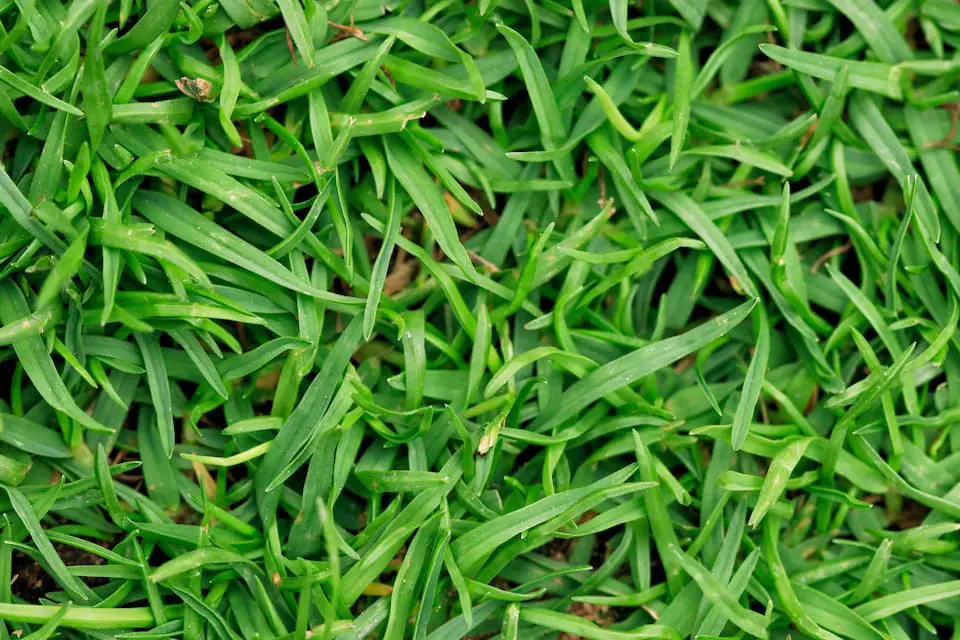
Credit: fortsmithlandscaping.com
Ideal Fertilizing Seasons
Fertilizing Bermuda grass at the right time helps it grow strong and green. The grass needs different care during each season. Knowing the ideal fertilizing seasons will keep your lawn healthy year-round.
Spring Growth Boost
Spring is the time when Bermuda grass wakes up from dormancy. Fertilizing now gives the grass energy to grow fast. Use a fertilizer with more nitrogen to support new leaves. Apply fertilizer after the last frost for best results. This helps the grass fill in bare spots quickly.
Summer Maintenance
Summer heat stresses Bermuda grass. Fertilizing during summer keeps the grass healthy. Use a balanced fertilizer with moderate nitrogen. This prevents the grass from growing too fast. Water the lawn well after fertilizing to help nutrients absorb. Proper care helps the grass resist drought and pests.
Fall Preparation
Fall is the time to prepare Bermuda grass for winter. Fertilize with a lower nitrogen and higher potassium mix. This strengthens roots and improves cold tolerance. Fertilizing early in fall gives the grass time to store nutrients. Healthy roots help the lawn green up faster in spring.

Credit: theturfgrassgroup.com
Signs Your Lawn Needs Fertilizer
Knowing when your Bermuda grass needs fertilizer helps keep your lawn green and healthy. Signs appear before the grass looks bad. Catch them early to give your lawn the nutrients it needs. Watch for changes in color, texture, and growth. These clues show if the soil lacks essential nutrients.
Color And Texture Changes
Dull or yellow grass shows a nutrient problem. Healthy Bermuda grass is bright green. Pale or brown patches mean the lawn is weak. Thin grass with dry, rough texture needs feeding. Fertilizer helps restore rich color and soft blades. Notice these changes early to act quickly.
Growth Rate Indicators
Slow grass growth signals poor nutrition. Bermuda grass usually grows fast in warm weather. If it grows uneven or stays short, it needs fertilizer. Fertilizer boosts growth and fills bare spots. Watch your lawn’s speed and thickness for clues. A healthy, dense lawn shows proper feeding.
Choosing The Right Fertilizer
Picking the best fertilizer helps Bermuda grass grow strong and healthy. Fertilizer supplies the nutrients that grass needs to thrive. Choosing the right type depends on soil, climate, and grass growth stage.
Understanding fertilizer labels and how nutrients work can improve lawn care. The right fertilizer supports green color, root growth, and overall lawn health.
Nutrient Ratios
Fertilizer labels show three numbers like 16-4-8. These numbers stand for nitrogen, phosphorus, and potassium. Nitrogen helps leaves grow green and thick. Phosphorus supports root and flower growth. Potassium boosts disease resistance and drought tolerance.
Bermuda grass usually needs more nitrogen than other nutrients. A common ratio is 3-1-2 or 4-1-2. Too much phosphorus can harm the environment. Test soil to know exact nutrient needs before buying fertilizer.
Slow-release Vs. Quick-release
Slow-release fertilizers release nutrients over time. They feed grass steadily for weeks. This lowers the risk of burning grass and reduces the need for frequent fertilizing.
Quick-release fertilizers give nutrients immediately. They work fast to green up the lawn. But they can cause rapid growth that needs more mowing. Also, they may wash away with rain if not watered in.
Choosing between slow or quick-release depends on your lawn goals and schedule. Slow-release suits steady growth and low maintenance. Quick-release fits for fast results before events or during growing season.
Application Techniques
Applying fertilizer to Bermuda grass requires careful technique to ensure even coverage and healthy growth. Proper application helps the grass absorb nutrients effectively. It prevents burning and promotes a lush lawn.
Spreader Types
Use the right spreader for your lawn size and shape. Drop spreaders release fertilizer in a narrow path. They offer precise control and less waste. Broadcast spreaders cover a wide area quickly. They are best for large lawns. Choose a spreader with adjustable settings. This helps apply the correct amount of fertilizer evenly.
Watering Tips
Water the lawn lightly after fertilizing. This helps the fertilizer soak into the soil. Avoid heavy watering right after application. It can wash away the nutrients. Water early in the morning or late afternoon. This reduces evaporation and improves absorption. Regular watering keeps Bermuda grass healthy and green.
Common Mistakes To Avoid
Fertilizing Bermuda grass is important but doing it wrong can harm your lawn. Many people make simple mistakes that reduce the grass’s health and beauty. Knowing what to avoid helps your lawn grow strong and green.
Over-fertilizing Risks
Putting too much fertilizer on Bermuda grass causes more harm than good. It can burn the grass blades and roots. The lawn may turn yellow or brown instead of green. Excess fertilizer can also lead to weed growth. Soil can become unbalanced, hurting the grass over time. Use the right amount to keep your lawn healthy.
Timing Errors
Applying fertilizer at the wrong time weakens Bermuda grass. Fertilizing too early in spring can stress the grass. Doing it too late in fall stops growth before winter. The best time is during active growth periods in late spring and summer. Proper timing ensures the grass absorbs nutrients well.
Adjusting Fertilization For Climate
Fertilizing Bermuda grass depends a lot on the climate where you live. Different weather and temperature patterns change how often and how much fertilizer your lawn needs. Understanding these differences helps keep your grass healthy and green all year.
Warm Vs. Cool Regions
Bermuda grass grows best in warm climates. In warm regions, fertilize more often during the growing season. The grass grows quickly and uses nutrients fast. Apply fertilizer every 6 to 8 weeks from spring to early fall.
In cool regions, Bermuda grass grows slower. Fertilize less often to avoid stressing the grass. One or two applications in late spring and summer usually work well. Avoid fertilizing in cold months to prevent damage.
Dealing With Drought
Drought makes fertilizing tricky. Dry soil means nutrients do not reach roots well. Cut back on fertilizer during drought to avoid burning the grass. Use slow-release fertilizer to provide nutrients gradually.
Water your lawn deeply before and after fertilizing in dry times. This helps the fertilizer soak into the soil. Adjusting fertilization with drought protects your Bermuda grass and keeps it strong.

Credit: www.lawnstarter.com
Frequently Asked Questions
When Is The Best Time To Fertilize Bermuda Grass?
The best time to fertilize Bermuda grass is in late spring and early summer. This timing supports healthy growth during the active growing season and ensures a lush, green lawn.
How Often Should Bermuda Grass Be Fertilized Yearly?
Bermuda grass typically requires fertilization 3 to 4 times per year. Regular feeding helps maintain its dense, vibrant appearance throughout the warm months.
What Type Of Fertilizer Is Ideal For Bermuda Grass?
A fertilizer high in nitrogen is ideal for Bermuda grass. Nitrogen promotes strong leaf growth and a rich green color, essential for this grass type.
Can I Fertilize Bermuda Grass In Fall Or Winter?
Fertilizing Bermuda grass in fall or winter is not recommended. The grass goes dormant, so fertilizer application during these seasons is ineffective and may harm the lawn.
Conclusion
Fertilizing Bermuda grass at the right time helps it grow strong and green. Early spring and late summer are the best periods to feed your lawn. Use the right fertilizer and follow the schedule closely. This keeps the grass healthy and looking fresh all season.
Remember, too much fertilizer can harm your lawn. Watch how your grass reacts and adjust as needed. Healthy Bermuda grass makes your yard more beautiful and inviting. Keep your lawn care simple and steady for the best results.
