

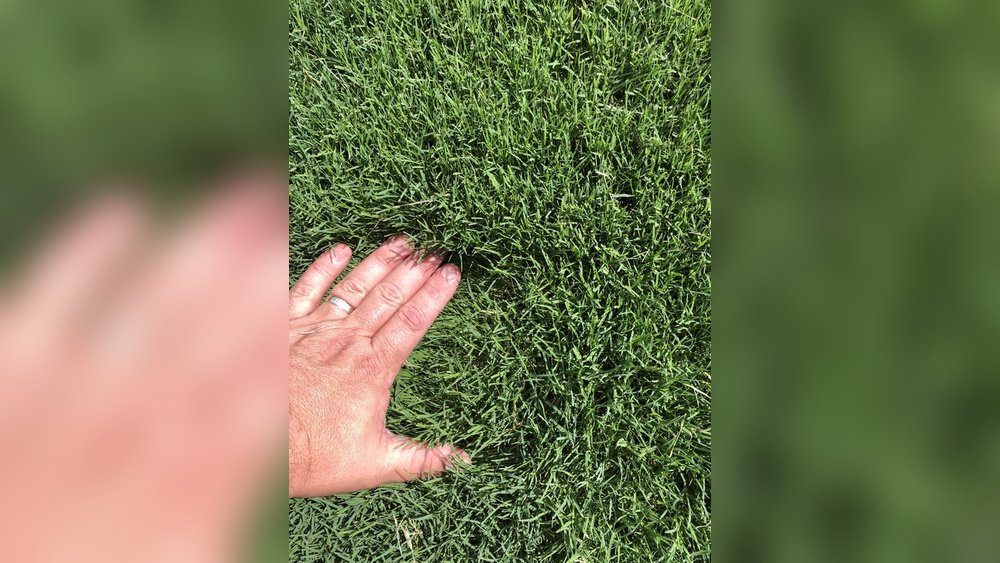
Bermuda grass has a firm yet smooth texture that offers a comfortable feel underfoot. While its narrow blades have a slight roughness, the dense growth creates a soft, cushioned surface, especially in warm seasons. Proper care can help maintain its softness throughout the year.
Have you ever wondered if Bermuda grass feels soft under your feet? Whether you’re planning to create a cozy backyard or just want to know what your lawn really feels like, understanding the texture of Bermuda grass can make all the difference.
Imagine stepping outside and enjoying a lawn that’s not only green but also comfortable to walk, play, or relax on. You’ll discover what makes Bermuda grass unique, how soft it really is, and why it might be the perfect choice for your outdoor space.
Keep reading, because the answer might surprise you!

Credit: georgialandscapingandhardscapingllc.com
Bermuda Grass Texture
Bermuda grass has a unique texture that many homeowners find appealing. It feels firm yet smooth underfoot. This texture makes it popular for lawns, sports fields, and parks. The grass blades are fine but strong. They create a dense carpet that is both comfortable and durable.
The texture also helps Bermuda grass recover from wear quickly. It can handle heavy foot traffic without looking worn out. This resilience is part of why it is widely used in warm climates. The texture varies slightly depending on the grass type and care given.
Leaf Blade Characteristics
Bermuda grass leaf blades are narrow and pointed. They usually measure between 1 to 2 millimeters wide. The blades have a rough feel due to tiny hairs on their surface. These hairs give the grass a slightly coarse texture.
Despite this, the blades are thin enough to feel soft in large patches. The blades grow close together, creating a thick lawn. This density adds to the overall softness. The color of the blades is bright green, adding to the grass’s fresh look.
Seasonal Softness Variations
Bermuda grass texture changes with the seasons. It feels softer in the spring and summer. Warm weather promotes new growth and lush blades. During these seasons, the grass is at its greenest and thickest.
In fall and winter, the grass becomes coarser. It may turn brown or dormant in cold weather. The blades dry out and feel rougher. This change reduces the softness but protects the grass from frost damage.
Regular watering and mowing help maintain softness year-round. Well-kept Bermuda grass stays soft longer than neglected lawns. Proper care supports healthy blade growth and texture.

Credit: sodsolutions.com
Factors Influencing Softness
Bermuda grass can feel soft or rough depending on several key factors. These affect how the grass grows and how pleasant it feels underfoot. Understanding these factors helps in maintaining a soft and healthy lawn.
Soil Quality
Good soil is the foundation of soft Bermuda grass. Soil rich in nutrients supports strong, healthy blades. Sandy loam soil with good drainage works best. Poor soil can cause weak grass that feels coarse. Testing soil pH and adding organic matter improves softness.
Watering Practices
Proper watering keeps Bermuda grass soft and lush. Deep, infrequent watering encourages deep roots. Overwatering leads to shallow roots and weak grass. Underwatering causes dry, brittle blades that feel rough. Water early in the morning for best results.
Mowing Techniques
Correct mowing helps maintain a soft Bermuda lawn. Keep mower blades sharp to avoid tearing grass. Mow at the right height, about 1 to 2 inches tall. Cutting too short stresses the grass and makes it rough. Regular mowing promotes even growth and softness.
Comparing Bermuda To Other Grasses
Bermuda grass is popular for lawns and sports fields. It grows quickly and handles heat well. Many people wonder how soft it feels compared to other grasses. This section compares Bermuda grass to Fescue and Zoysia. Understanding their softness helps choose the best grass for your yard.
Softness Compared To Fescue
Fescue grass feels softer than Bermuda grass. Its blades are thinner and more delicate. Fescue stays green longer in cooler weather. It has a fine texture that feels gentle underfoot. Bermuda grass has coarser blades. It may feel rougher, especially if not mowed often. For a soft lawn, Fescue often ranks higher.
Softness Compared To Zoysia
Zoysia grass has a soft and dense texture. It feels smooth and cushiony when walking on it. Bermuda grass is less dense and can feel rougher. Zoysia grows slower but forms a thicker mat. This thickness adds to its softness. Bermuda’s quick growth means it needs more trimming to stay soft. For a plush feel, Zoysia usually wins over Bermuda.
Enhancing Bermuda Grass Comfort
Bermuda grass is known for its durability and vibrant green color. Enhancing its comfort makes your lawn soft and pleasant to walk on. Simple care steps improve its texture and health. These steps help create a lush, inviting lawn everyone enjoys.
Fertilization Tips
Use a balanced fertilizer to feed Bermuda grass. Apply it in spring and summer for best growth. Avoid over-fertilizing, which can harm the grass. Nitrogen-rich fertilizers boost softness and color. Follow package instructions for safe and effective use.
Aeration Benefits
Aerate the lawn to improve soil air flow. This helps roots grow deeper and stronger. Aeration reduces soil compaction that makes grass tough. It allows water and nutrients to reach roots better. Soft, healthy Bermuda grass grows after aeration.
Proper Irrigation
Water Bermuda grass deeply but less often. This encourages roots to grow downward. Avoid overwatering, which causes shallow roots and weak grass. Early morning watering reduces water loss from evaporation. Proper irrigation keeps grass soft and green.
Common Uses For Bermuda Grass Lawns
Bermuda grass is popular for many outdoor spaces. It grows thick and green, making it a favorite choice. Its soft texture and durability suit different uses. People trust Bermuda grass for areas that need strong, soft ground.
Here are common places Bermuda grass lawns appear. Each spot benefits from its unique qualities.
Residential Lawns
Bermuda grass is great for home yards. It feels soft under bare feet. It stays green most of the year. It grows fast and fills in bare spots. Many homeowners like its neat look. It handles heat and drought well. Kids and pets enjoy playing on it.
Sports Fields
Many sports fields use Bermuda grass. It can handle heavy foot traffic. It recovers quickly from damage. The grass offers a smooth, even surface. This helps athletes run and play safely. It stays green in summer heat. Coaches prefer its consistent, strong turf.
Parks And Recreational Areas
Parks often plant Bermuda grass for visitors. It creates soft, green spaces for relaxing. It holds up well with many visitors. People sit, walk, and picnic on it. Maintenance is simple and affordable. It helps keep parks looking fresh year-round.

Credit: sodscapestexas.com
Frequently Asked Questions
Is Bermuda Grass Soft To Walk On?
Yes, Bermuda grass is soft and comfortable underfoot. Its fine texture and dense growth make it pleasant to walk or play on.
How Does Bermuda Grass Softness Compare To Other Grasses?
Bermuda grass is softer than many warm-season grasses. However, it is slightly rougher than some cool-season grasses like Kentucky bluegrass.
Does Mowing Affect Bermuda Grass Softness?
Regular mowing keeps Bermuda grass soft and healthy. Cutting it too short may reduce softness and stress the grass.
Can Watering Improve Bermuda Grass Softness?
Proper watering keeps Bermuda grass lush and soft. Dry conditions can make it coarse and less pleasant to touch.
Conclusion
Bermuda grass feels soft but depends on care and variety. Regular mowing keeps it smooth and pleasant. It grows thick, making it nice to walk on. Warm weather helps Bermuda grass stay green and soft. Dry or poor soil can make it rough.
Many enjoy its texture for lawns and sports fields. Choose good seeds and water often for best results. Soft grass adds comfort to your outdoor space. A well-kept Bermuda lawn looks fresh and inviting. Try it and see how soft it can be.
