

MSMA can kill Bermuda grass, especially when the grass is young and actively growing. However, established Bermuda grass with deep roots may survive treatment, requiring multiple applications or additional control methods for effective removal. Proper timing and application are essential to improve results when using MSMA on Bermuda grass.
Are you struggling to get rid of stubborn Bermuda grass in your lawn or garden? You’ve probably heard about MSMA as a solution, but does it really work?
Understanding whether MSMA will kill Bermuda grass is crucial before you spend your time and money. You’ll discover the truth about MSMA’s effectiveness, how it works, and what you need to know to make the best choice for your lawn care.
Keep reading to get clear answers and practical tips that can help you regain control of your yard.

Credit: www.youtube.com
What Is Msma?
MSMA is a chemical herbicide widely used in lawn care and agriculture. It helps control certain tough grasses and weeds. Many gardeners wonder if MSMA can kill Bermuda grass. Understanding MSMA starts with knowing what it is and how it works.
Chemical Properties
MSMA stands for monosodium methanearsonate. It contains arsenic, a heavy metal element. This gives MSMA strong weed-killing power. It appears as a white powder or liquid. MSMA dissolves easily in water. It works by disrupting plant growth and metabolism. Its effects focus mainly on grassy weeds.
Common Uses
Farmers use MSMA to control grassy weeds in crops like cotton and corn. It also treats turf areas such as golf courses and sports fields. MSMA targets specific grasses without harming broadleaf plants. Lawn care professionals apply it to manage invasive grass species. Proper use requires following safety and application guidelines carefully.

Credit: thebermudabible.com
Bermuda Grass Characteristics
Bermuda grass is a popular choice for lawns, sports fields, and golf courses. It thrives in warm climates and spreads quickly. This grass type is tough and can handle heavy use. Understanding its characteristics helps in managing or controlling it effectively.
Its fast growth and strong roots make it hard to remove. Knowing how Bermuda grass grows and resists chemicals is key to deciding if MSMA can kill it.
Growth Patterns
Bermuda grass grows through both seeds and runners called stolons and rhizomes. These runners spread just under the soil surface. This allows the grass to cover large areas quickly. It grows best in full sun and warm weather. The grass can go dormant and turn brown in cold or dry conditions. Its dense growth crowds out weeds and other plants.
Resistance Traits
Bermuda grass has strong resistance to drought and heat. Its deep roots help it survive tough conditions. It also resists many common herbicides. This resistance makes it difficult to kill with regular weed killers. Some chemicals only affect the grass’s leaves but not its roots. This allows the grass to grow back after treatment. MSMA targets certain grass types but Bermuda grass’s traits may reduce its effectiveness.
Msma’s Impact On Bermuda Grass
MSMA is a herbicide used to control tough weeds and grasses. Its effect on Bermuda grass is a key concern for many gardeners and turf managers. Understanding how MSMA works and how well it controls Bermuda grass helps in making the right choice for lawn care.
How Msma Works
MSMA targets the plant’s energy system. It stops Bermuda grass from making food through photosynthesis. Without energy, the grass weakens and dies. MSMA is absorbed by the leaves and moves throughout the plant. This action makes it effective against many grassy weeds.
Effectiveness Against Bermuda Grass
MSMA can kill Bermuda grass, but results vary. Younger, actively growing Bermuda grass is more affected. Older or well-established grass may survive or recover. Proper application and timing are important for best results. Repeat treatments might be needed to control stubborn patches.
Application Tips For Msma
Applying MSMA to control Bermuda grass requires care and attention. Proper use helps achieve the best results while protecting your lawn and the environment. Follow these tips for effective and safe application.
Optimal Timing
Apply MSMA during active Bermuda grass growth. Warm weather days are best, usually late spring to early summer. Avoid use during drought or extreme heat. Treat in the morning or late afternoon to reduce evaporation. Do not apply before rain to prevent runoff.
Proper Dosage
Use the recommended amount on the product label. Too much MSMA can harm other plants and soil life. Too little may not kill Bermuda grass. Measure carefully and mix thoroughly for even coverage. Repeat treatments may be needed for tough patches.
Safety Precautions
Wear protective gloves and clothing when handling MSMA. Avoid inhaling spray mist or allowing it on skin. Keep children and pets away from treated areas until dry. Store MSMA in a safe place, away from food and water. Follow all label instructions for safe use.
Alternatives To Msma
MSMA is a common herbicide used to control Bermuda grass. Some people want other options. Alternatives can be safer and work well. These options include different chemicals and natural methods. Exploring these choices helps find the best way to manage Bermuda grass.
Other Herbicides
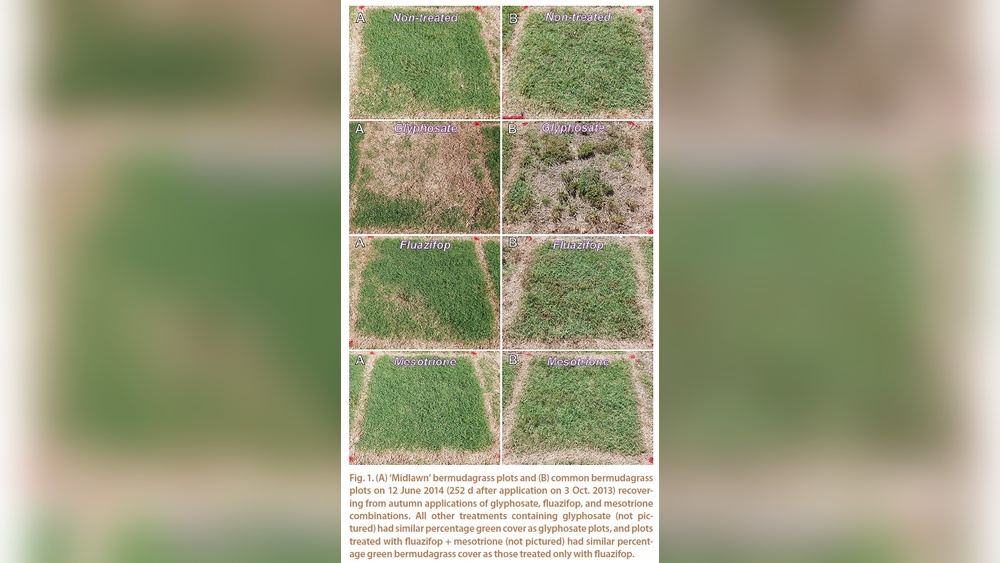
There are several herbicides that kill Bermuda grass. Glyphosate is a popular choice. It kills most plants, so use it carefully. Another option is fluazifop. It targets grassy weeds specifically. Sethoxydim works well on Bermuda grass too. Read labels before use to apply safely. These herbicides can be effective but need proper handling.
Non-chemical Methods
Non-chemical methods help control Bermuda grass without chemicals. Hand pulling is effective for small areas. Mowing Bermuda grass low weakens it over time. Solarization uses plastic sheets to heat and kill grass. Smothering with mulch blocks sunlight and stops growth. These methods take time but are safe and eco-friendly.
Preventing Bermuda Grass Regrowth
Bermuda grass is tough and grows fast. Stopping it from coming back needs effort and care. Preventing Bermuda grass regrowth helps keep your lawn neat. It also saves time and money on weed control.
Using the right methods can reduce Bermuda grass spreading. Focus on regular care and smart strategies to control it. This section explains key ways to prevent Bermuda grass from regrowing.
Maintenance Strategies
Cut Bermuda grass regularly to weaken its roots. Mow at the right height to avoid stressing your lawn. Water deeply but less often to promote strong grass growth. Remove any runners or stolons by hand if possible. Avoid over-fertilizing, which helps Bermuda grass spread faster.
Long-term Control
Use herbicides designed to target Bermuda grass carefully. Apply treatments during active growth periods for best results. Rotate herbicides to prevent resistance in Bermuda grass. Plant competitive ground covers or turf that crowd Bermuda grass out. Keep monitoring your lawn and treat new growth early.

Credit: stonebrothers.com
Frequently Asked Questions
Will Msma Effectively Kill Bermuda Grass?
Yes, MSMA is effective against Bermuda grass. It targets grassy weeds by disrupting their growth. However, repeated applications may be necessary for full control.
How Long Does Msma Take To Kill Bermuda Grass?
MSMA typically shows results within 7 to 14 days. Visible browning and dieback occur as the herbicide acts on grass leaves.
Can Msma Damage Other Lawn Grasses?
MSMA can harm desirable lawn grasses if not applied carefully. Always follow label instructions to protect non-target plants.
Is Msma Safe For Use Around Pets And Children?
MSMA should be used with caution. Keep pets and children away until the treated area dries completely.
Conclusion
MSMA can kill Bermuda grass, but results vary by use. Applying it carefully helps avoid damage to other plants. Always follow label instructions for safe and effective treatment. Consider other control methods if you want long-term results. Regular lawn care also plays a big role in managing Bermuda grass.
Choose the right approach for your lawn’s health and needs. Keep monitoring and adjust your plan as needed for best results.
