
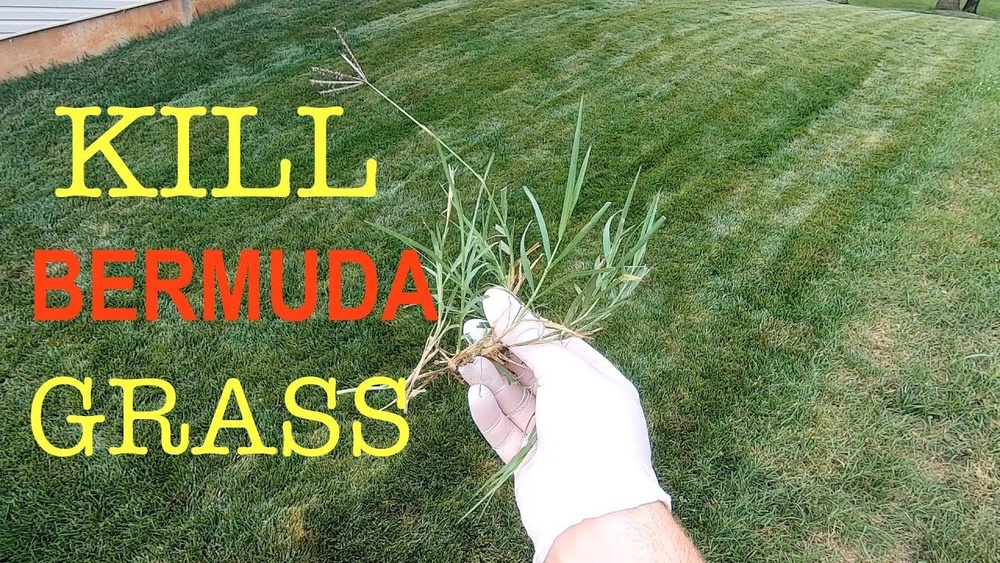
To get rid of Bermuda grass, start by identifying it and then use a combination of manual removal and targeted herbicides. For small patches, hand-pulling and digging out roots works well. For larger areas, solarization or selective herbicides can effectively kill the grass and prevent regrowth. Consistency is key.
Is Bermuda grass taking over your lawn and making it hard to enjoy your outdoor space? You’re not alone.
This stubborn weed spreads quickly and can choke out the grass you actually want to grow. But don’t worry—there are simple, effective ways to get rid of Bermuda grass for good. You’ll discover easy steps you can take to reclaim your lawn and keep it looking healthy and beautiful.
Keep reading, because your perfect lawn is closer than you think.
Credit: gregalder.com
Identifying Bermuda Grass
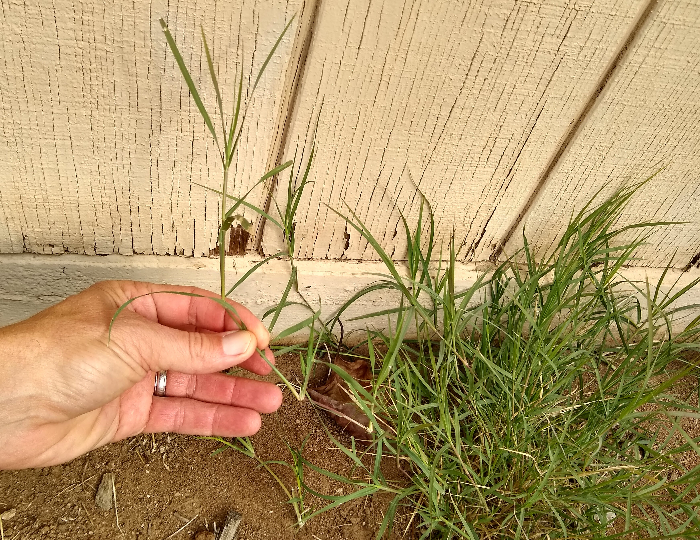
Identifying Bermuda grass is the first step to controlling it in your lawn. This grass can spread fast and crowd out other plants. Knowing its features helps you act quickly. Spotting Bermuda grass early makes removal easier and more effective.
Characteristics Of Bermuda Grass
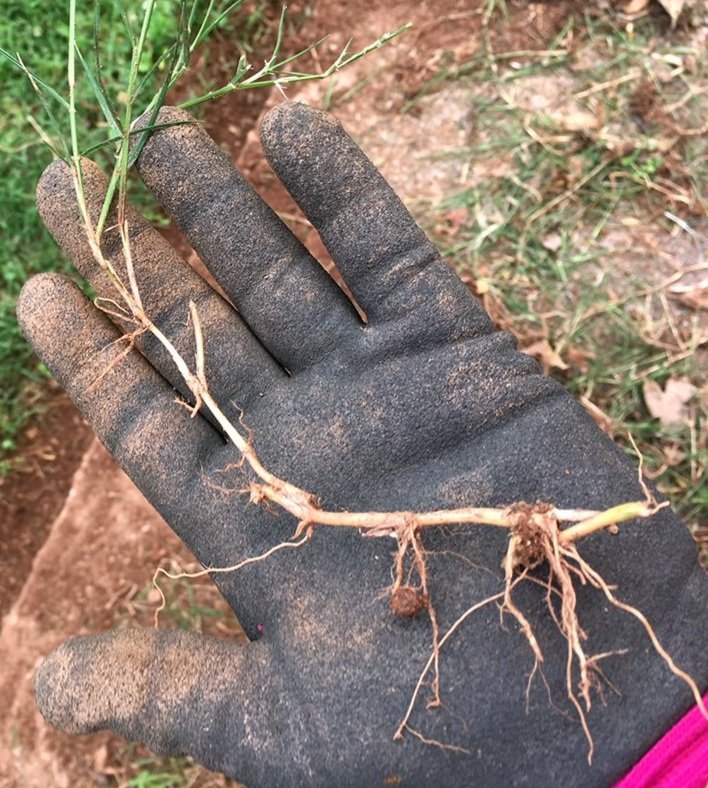
Bermuda grass has thin, green blades. The leaves are rough and grow in a V shape. It spreads using runners that grow above the ground. These runners root at the nodes, creating new plants. The grass forms a dense mat that covers soil well. In summer, it turns dark green and grows fast. It can survive drought and heat better than many grasses. This hardiness makes it tough to remove.
Common Areas Bermuda Grass Thrives
Bermuda grass grows well in warm, sunny spots. It likes open areas with full sun. You often find it in lawns, sports fields, and parks. It also grows along roadsides and in gardens. It spreads quickly in bare or thin lawn patches. Bermuda grass can invade flower beds and vegetable gardens. It does not do well in shade or very wet soil. Understanding where it grows helps target your removal efforts.

Credit: www.youtube.com
Manual Removal Techniques
Manual removal techniques offer a natural way to control Bermuda grass. These methods focus on physically removing the grass and its roots. It takes time and effort but avoids chemicals. Manual removal is ideal for small areas or spots with heavy grass growth.
Patience is key. Consistent work helps reduce Bermuda grass over time. Two common techniques are hand pulling with digging out, and solarization to kill roots.
Hand Pulling And Digging Out
Start by moistening the soil. Wet soil makes pulling easier and reduces root breakage. Grab the Bermuda grass at the base and pull slowly to remove the entire plant. Use a garden fork or trowel to dig around thick patches. Remove all roots to stop regrowth. Dispose of pulled grass carefully to prevent spreading.
Check the area regularly for new shoots. Pull them out quickly before they take hold. This method works best for small patches or garden beds.
Using Solarization To Kill Roots
Solarization uses the sun’s heat to kill Bermuda grass roots. Clear the lawn of debris and mow the grass short. Cover the area tightly with a clear plastic sheet. Secure the edges with soil or stones. Leave the plastic in place for 4 to 6 weeks during hot weather.
The heat builds up under the plastic, killing roots and seeds. After removing the plastic, remove dead grass and prepare the soil for new planting. Solarization is chemical-free and effective for larger areas.
Chemical Control Methods
Chemical control methods offer a strong way to remove Bermuda grass from your lawn. They work by targeting the grass at its roots or leaves. Using herbicides can save time and effort compared to manual removal. However, choosing the right product and applying it correctly is very important. This ensures you kill Bermuda grass without harming other plants or the environment.
Choosing The Right Herbicide
Select herbicides made for Bermuda grass control. Products with glyphosate or fluazifop are common choices. Glyphosate kills most plants, so apply it carefully. Fluazifop targets grasses without hurting broadleaf plants. Read labels to confirm the herbicide fits your lawn type. Buy from trusted brands to ensure effectiveness and safety.
Safe Application Tips
Wear gloves and protective clothing before applying herbicides. Avoid spraying on windy days to prevent drift. Keep children and pets away from treated areas. Use a sprayer that delivers even coverage without excess runoff. Follow the instructions on the label exactly. Store leftover herbicides in a safe, locked place.
Timing For Best Results
Apply herbicides when Bermuda grass is actively growing. This is usually in late spring or early summer. Warm weather helps the chemicals absorb better. Avoid spraying during drought or extreme heat. Repeat treatments may be needed for stubborn patches. Wait several weeks between applications to check progress.
Credit: www.organicgrowersschool.org
Natural Remedies
Natural remedies offer safe and simple ways to control Bermuda grass in your lawn. These methods use everyday household items and avoid harsh chemicals. They are eco-friendly and gentle on your soil. Two effective natural treatments include vinegar solutions and boiling water. Both can weaken Bermuda grass and stop its growth.
Vinegar Solutions
Vinegar is a natural herbicide that kills many weeds. Use white vinegar with at least 5% acetic acid for better results. Spray the vinegar directly on Bermuda grass leaves. The acid burns the leaves and dries the grass quickly. Apply on a sunny day for the best effect. Avoid spraying on grass you want to keep. Repeat the process weekly until the grass dies.
Boiling Water Treatment
Boiling water kills Bermuda grass by cooking its roots and blades. Pour boiling water slowly over the grass clumps. Be careful not to splash the water on nearby plants. This method works best on small patches or edges. Boiling water breaks down the grass cells and stops growth. Repeat the treatment every few days for stronger results.
Preventing Bermuda Grass Regrowth
Stopping Bermuda grass from growing back is key to a healthy lawn. This grass spreads fast and can take over if you do not control it. Preventing its regrowth means making your lawn strong and less inviting for Bermuda grass to return.
Maintaining Lawn Health
A healthy lawn is less likely to let Bermuda grass grow. Use good grass types that suit your area. Fertilize your lawn regularly to keep the grass thick and green. Thick grass blocks sunlight, making it hard for Bermuda grass to survive.
Proper Mowing And Watering
Cut your grass at the right height. Too short or too long can help Bermuda grass spread. Water your lawn deeply but less often. This encourages roots to grow deep and makes the lawn strong. Avoid overwatering, as this helps Bermuda grass thrive.
Soil Management
Test your soil to know what it needs. Good soil supports healthy grass and stops weeds. Add lime or sulfur to keep pH levels balanced. Aerate your lawn to improve air and water flow. Healthy soil makes it hard for Bermuda grass to grow back.
Alternatives To Bermuda Grass
Alternatives to Bermuda grass offer a way to keep your lawn healthy and easy to maintain. Choosing the right grass type helps prevent Bermuda grass from taking over. Some grasses grow well in similar conditions but do not spread as aggressively.
Replacing Bermuda grass requires patience and care. Seeding or sodding with the right grass can create a strong lawn that resists invasion. Proper steps ensure new grass grows evenly and stays healthy.
Choosing Grass Types That Resist Bermuda
Look for grass types that fit your climate and soil. Tall fescue is a good choice for cooler areas. Zoysia grass grows well in warm climates and blocks Bermuda growth. Kentucky bluegrass is another option for cool regions. These grasses grow slower and do not spread as fast. They form dense lawns that crowd out Bermuda grass.
Seeding And Sodding Tips
Prepare the soil by removing all Bermuda grass roots first. Till the soil deeply and add nutrients if needed. Spread seed evenly or lay sod tightly to avoid gaps. Water the area regularly but do not flood it. Keep foot traffic low until the grass is strong. Mowing at the right height helps the new grass grow thick. Follow these steps to build a lawn that resists Bermuda grass.
Frequently Asked Questions
How Can I Identify Bermuda Grass In My Lawn?
Bermuda grass has fine, coarse blades with a gray-green color. It spreads quickly through runners and seeds. It thrives in warm climates and often invades lawns, creating dense patches.
What Is The Best Herbicide To Kill Bermuda Grass?
Glyphosate-based herbicides effectively kill Bermuda grass. Apply during active growth for best results. Always follow label instructions and avoid contact with desirable plants.
Can I Remove Bermuda Grass Without Chemicals?
Yes, manual removal is possible. Dig out Bermuda grass roots and runners thoroughly. Regularly mow and water to weaken regrowth. This method requires patience and persistence.
How Long Does It Take To Eliminate Bermuda Grass?
Complete removal can take several months. Consistent treatment and lawn care speed up the process. Monitor for new growth and retreat as needed for full control.
Conclusion
Controlling Bermuda grass takes patience and consistent effort. Use the right methods and keep your lawn healthy. Regular mowing and proper watering help too. Don’t forget to remove weeds quickly to stop spreading. Over time, your lawn will look cleaner and greener.
Stay committed, and you will see results. Your garden can become a pleasant space again. Small steps make a big difference in the long run. Keep going, and enjoy a beautiful lawn free of Bermuda grass.
