
New Bermuda grass features narrow, bright green blades and forms a dense, low-growing mat. It spreads quickly through above-ground runners and underground stems, creating a tough, durable lawn that recovers fast from damage. Its fine texture and rich color make it easy to recognize and a popular turf choice.
Are you curious about what new Bermuda grass looks like and how it can transform your lawn? Whether you’re thinking about planting it or just want to recognize it in your yard, understanding its appearance is the first step.
This grass has unique features that make it stand out from other types. By the end of this article, you’ll know exactly how to spot new Bermuda grass and why it might be the perfect choice for your outdoor space.
Keep reading to discover the key details that will help you identify and appreciate this popular turfgrass.
Bermuda Grass Basics
Bermuda grass is a popular choice for lawns and sports fields. It grows quickly and recovers fast from damage. This grass thrives in warm climates and sunny areas. Understanding its look helps in identifying and caring for it properly.
Below are key features of Bermuda grass to help you recognize it easily.
Growth Habit
Bermuda grass spreads by above-ground runners called stolons. It also grows underground stems called rhizomes. These help the grass cover large areas fast. The grass forms a dense, low mat over the ground. This growth habit makes it tough and durable.
Leaf Texture
The leaves of Bermuda grass are thin and pointed. They feel coarse but soft enough to walk on. Leaves grow in a flat, narrow shape. They often have a slight rough edge. This texture helps the grass resist wear and tear.
Color Variations
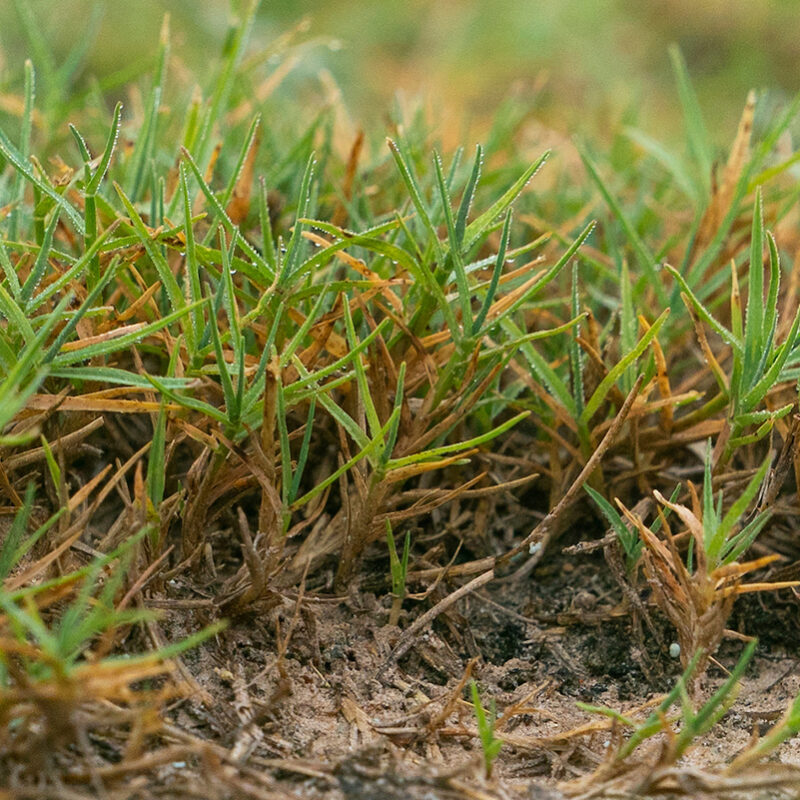
Bermuda grass color ranges from light green to dark green. New growth tends to be brighter green. Older leaves may show a duller, yellowish tone. Color depends on sunlight, water, and soil quality. Healthy Bermuda grass usually shows a rich green shade.
Credit: agrilifeextension.tamu.edu
Identifying New Bermuda Grass
Identifying New Bermuda Grass helps in proper lawn care and maintenance. It has unique features that set it apart from other grasses. Knowing these traits makes it easier to recognize in your yard or garden.
Below are the key characteristics to look for when identifying New Bermuda Grass.
Blade Shape And Size
New Bermuda Grass blades are narrow and flat. They usually measure about 2 to 5 millimeters wide. The blades have a pointed tip and a rough texture. The color is bright green, giving a fresh look to lawns.
Density And Coverage
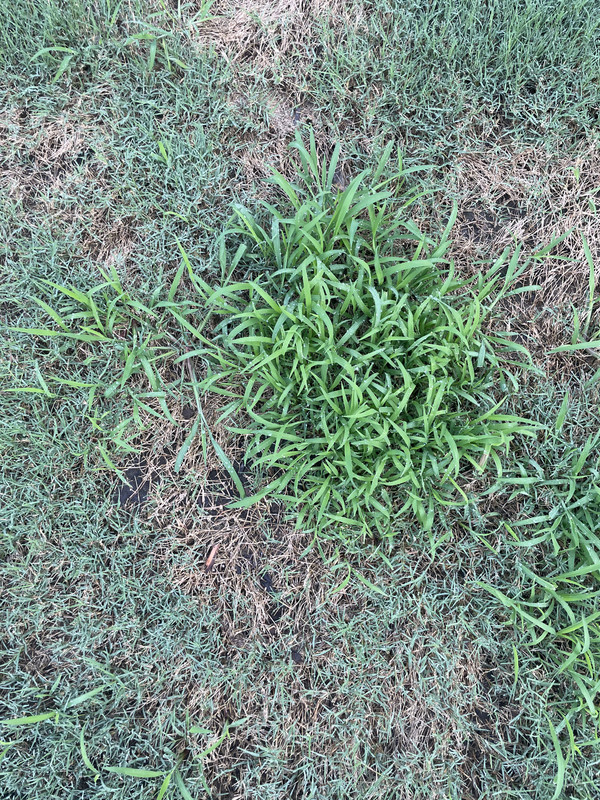
This grass forms a dense and thick mat on the ground. It spreads quickly and covers bare spots well. Its growth pattern helps prevent weed invasion. The dense coverage makes it a popular choice for sports fields.
Root System Features
New Bermuda Grass has a strong and deep root system. Roots grow fast and help the grass survive drought. The roots also anchor the grass firmly in the soil. This feature improves lawn durability and health.
Comparing New Bermuda To Other Grasses
New Bermuda grass has unique features that set it apart from other lawn grasses. Its look and texture make it a popular choice in many yards. Comparing it with other common grasses helps you understand its strengths and weaknesses. This section explores how New Bermuda differs from and resembles other grasses.
Differences From Common Bermuda
New Bermuda grass has finer blades than common Bermuda. It grows denser and forms a thick carpet. Common Bermuda blades are wider and coarser. New Bermuda recovers faster from damage. It also stays green longer in cooler weather. Common Bermuda tends to brown sooner in cold months.
Contrast With Zoysia Grass
Zoysia grass blades are wider and feel rougher. It grows slower than New Bermuda. Zoysia forms a very dense turf that can choke weeds. New Bermuda spreads quickly and fills bare spots faster. Zoysia handles shade better than New Bermuda. New Bermuda prefers full sun and warm climates.
Similarities To St. Augustine
Both grasses have broad blades compared to other types. They create thick, lush lawns that feel soft. St. Augustine and New Bermuda both resist drought fairly well. They need regular mowing for best appearance. Both grasses do well in warm regions. Their green color stays vibrant through summer months.
Credit: www.thelawnforum.com
Seasonal Appearance Changes
Bermuda grass changes its look through the seasons. These changes show how healthy the grass is. They also affect the feel and color of your lawn. Watching these changes helps you care for your grass better. Understanding these changes gives clues about the grass’s needs.
Spring Growth Patterns
Spring brings new life to Bermuda grass. It grows fast as temperatures rise. The blades start thin and light green. They quickly become thicker and darker. This time is perfect for mowing and feeding. The grass looks fresh and lively.
Summer Color And Texture
Summer shows Bermuda grass in full strength. The color deepens to a rich green. The texture feels thick and soft underfoot. Heat and sun make it grow quickly. It stands up well to foot traffic. Watering helps keep the grass lush and healthy.
Fall And Winter Dormancy
Fall signals the grass to slow down. The green fades to a yellow-brown shade. Growth stops as temperatures drop. The blades become dry and brittle. In winter, the grass rests deeply. It waits quietly for spring’s return.
Factors Affecting Appearance
The look of New Bermuda grass changes based on many factors. These factors affect its color, thickness, and overall health. Understanding them helps keep the grass green and strong. Each factor plays a key role in how the grass appears in your yard.
Soil And Climate Impact
Soil type affects how well New Bermuda grass grows. Sandy soil drains fast but holds fewer nutrients. Clay soil keeps water longer but may cause roots to rot. The best soil is well-drained and rich in organic matter.
Climate also changes the grass’s look. Warm temperatures help it grow thick and green. Cold weather slows growth and may cause browning. Sunlight exposure affects color too. More sun means a brighter green lawn.
Watering And Maintenance
Water is vital for New Bermuda grass. Too little water makes the grass dry and brown. Too much water can drown the roots and cause disease. Regular watering keeps the grass healthy and green.
Maintenance like mowing and fertilizing also matters. Cutting the grass at the right height helps it grow strong. Fertilizer adds nutrients for a lush, green color. Poor care leads to thin, patchy grass.
Pest And Disease Effects
Pests can damage New Bermuda grass quickly. Insects like grubs eat the roots, causing dead spots. Diseases may cause discoloration and weak patches. Early detection helps control these problems.
Healthy grass resists pests and diseases better. Good care makes the lawn thick and less likely to get sick. Keep an eye on any changes to act fast.

Credit: www.reddit.com
Frequently Asked Questions
What Are The Key Features Of New Bermuda Grass?
New Bermuda grass has fine, dense blades with a bright green color. It grows quickly and forms a thick, carpet-like lawn. Its texture is soft and it spreads through stolons and rhizomes, making it durable and ideal for warm climates.
How Can I Identify New Bermuda Grass Visually?
Look for thin, pointed blades that are lighter green than old Bermuda. The grass grows low and spreads evenly. It has a soft feel and dense growth, creating a uniform surface that is distinct from coarser Bermuda varieties.
Does New Bermuda Grass Tolerate Drought And Heat Well?
Yes, New Bermuda grass is highly drought and heat tolerant. It thrives in warm weather and recovers quickly from dry spells. This makes it popular for sunny lawns and sports fields in hot regions.
How Does New Bermuda Grass Differ From Common Bermuda Grass?
New Bermuda grass has finer blades and a softer texture. It also spreads more densely and grows faster. Unlike common Bermuda, it requires less frequent mowing and provides a more uniform, lush green appearance.
Conclusion
New Bermuda grass has a distinct look with fine, green blades. It grows thick and spreads quickly, covering the ground well. You can spot it by its soft texture and bright color. This grass type fits warm climates and sunny places best.
Knowing how it looks helps you care for your lawn better. Choose New Bermuda grass for a lush, green yard that stands out. Simple to grow and maintain, it suits many outdoor spaces. A good choice for anyone wanting healthy, green grass.
