
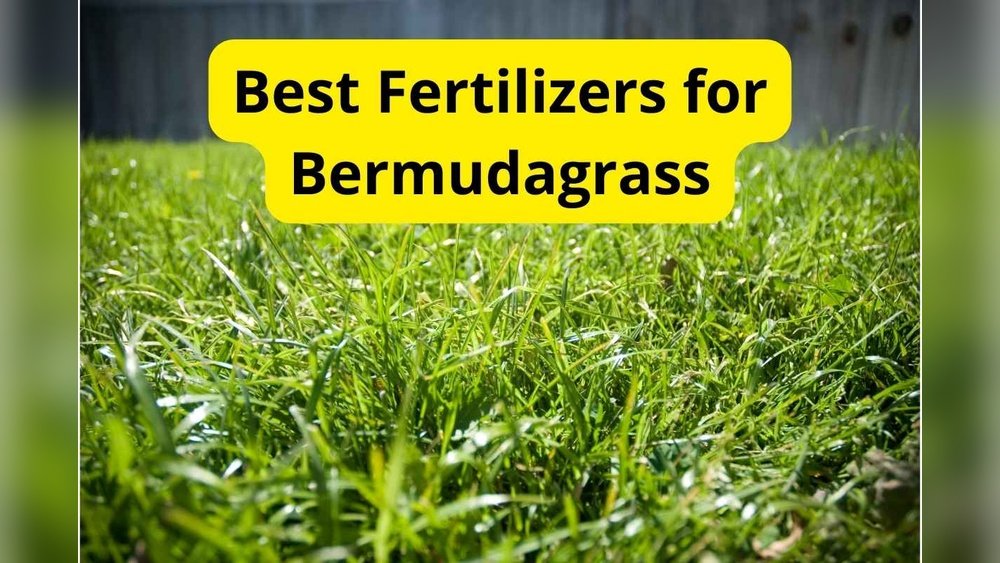
For Bermuda grass, a fertilizer high in nitrogen with balanced phosphorus and potassium is ideal. Nitrogen promotes lush, green growth, while phosphorus strengthens roots and potassium boosts disease resistance. Selecting a fertilizer formulated for warm-season grasses ensures your Bermuda lawn stays healthy and vibrant throughout the growing season.
If you want your Bermuda grass to stay lush, green, and healthy all year round, choosing the right fertilizer is key. But with so many options out there, how do you know which one will work best for your lawn?
Understanding what type of fertilizer your Bermuda grass needs can save you time, money, and frustration. You’ll discover simple tips and expert advice that will help you pick the perfect fertilizer to keep your grass looking its absolute best. Keep reading, and you’ll be one step closer to a vibrant lawn that everyone will envy.
Bermuda Grass Basics
Bermuda grass is a popular choice for lawns, sports fields, and golf courses. It stays green in warm weather and recovers quickly from damage. Knowing its basics helps you choose the right fertilizer and care for it well.
Growth Characteristics
Bermuda grass grows fast and spreads through runners and underground stems. It forms a thick, dense turf that resists weeds. It grows best in full sun and can handle heavy foot traffic. This grass goes dormant and turns brown in cold weather.
Soil Preferences
Bermuda grass prefers sandy or loamy soil with good drainage. It grows well in soil with a pH between 5.8 and 7.0. The soil must have enough nutrients, especially nitrogen, to keep the grass healthy and green. Poor soil can cause slow growth and patchy grass.
Climate Adaptation
Bermuda grass thrives in warm climates with temperatures between 75°F and 95°F. It tolerates drought better than many other grasses. It does not do well in cold or shaded areas. This grass is common in southern states and tropical regions.
Nutrient Needs
Bermuda grass needs the right nutrients to grow thick and green. Feeding your lawn with proper fertilizer helps it stay healthy. Knowing which nutrients Bermuda grass needs can guide you to choose the best fertilizer. Nutrients keep the grass strong and help it recover from stress.
Essential Nutrients For Bermuda Grass
Bermuda grass mainly needs three nutrients: nitrogen, phosphorus, and potassium. These nutrients support growth, root health, and disease resistance. Each nutrient has a special job that helps the grass thrive. A balanced fertilizer supplies all three in the right amounts.
Nitrogen’s Role
Nitrogen is key for Bermuda grass. It helps the grass grow fast and stay green. Without enough nitrogen, the grass looks pale and weak. Applying nitrogen regularly gives the lawn a fresh, vibrant color. It also helps the grass recover after mowing or heat stress.
Phosphorus And Potassium Importance
Phosphorus helps Bermuda grass develop strong roots. Deep roots make the grass more drought-tolerant. Potassium improves the grass’s ability to resist diseases and cold. Both nutrients work together to keep the grass healthy. Fertilizers with the right balance of phosphorus and potassium support long-term lawn health.
Types Of Fertilizers
Choosing the right fertilizer helps Bermuda grass stay green and healthy. Fertilizers come in different types. Each type works in a unique way to feed your lawn. Understanding these types makes it easier to pick the best one.
Fertilizers provide essential nutrients like nitrogen, phosphorus, and potassium. These nutrients help Bermuda grass grow strong roots and thick blades. Knowing the differences in fertilizers helps you give your grass what it needs.
Organic Fertilizers
Organic fertilizers come from natural sources like plants and animals. They release nutrients slowly, feeding grass over time. These fertilizers improve soil health and support beneficial microbes. Organic options include compost, manure, and bone meal. They are safe for the environment and reduce chemical buildup.
Synthetic Fertilizers
Synthetic fertilizers are made in factories with precise nutrient mixes. They deliver nutrients quickly to Bermuda grass. These fertilizers often have higher nutrient concentrations. Synthetic types help fix nutrient deficiencies fast. Use them carefully to avoid over-fertilizing and harming the soil.
Slow-release Vs. Quick-release
Slow-release fertilizers feed grass gradually over weeks or months. They reduce nutrient loss and lower the risk of burning the lawn. Quick-release fertilizers act fast and give an instant boost. They work well for lawns needing rapid green-up. Combining both types can balance steady growth and quick recovery.
Choosing The Right Fertilizer
Choosing the right fertilizer for Bermuda grass helps it grow strong and green. Fertilizer gives the grass the nutrients it needs. Not all fertilizers work the same. Knowing what your soil and grass need is key. This makes your lawn healthy and saves money on wrong products.
Soil Testing Benefits
Soil testing shows what your soil lacks. It tells the amount of nitrogen, phosphorus, and potassium in the soil. These nutrients are essential for Bermuda grass growth. Testing helps avoid over-fertilizing. Over-fertilizing can harm the grass and the environment. Testing also saves money by preventing unnecessary fertilizer use.
Matching Fertilizer To Soil Deficiencies
Use the soil test report to pick fertilizer. If the soil lacks nitrogen, choose a nitrogen-rich fertilizer. If phosphorus or potassium is low, pick a balanced fertilizer with those nutrients. Matching fertilizer to soil needs helps Bermuda grass grow thick and green. It supports root development and leaf growth. Avoid guessing or using random fertilizers.
Seasonal Fertilizer Selection
Bermuda grass needs different nutrients in each season. Use high nitrogen fertilizer in spring and summer. This supports fast growth and green color. In fall, use fertilizer with less nitrogen and more potassium. This helps the grass prepare for winter. Avoid fertilizing in winter to prevent stress on the grass.
Application Tips
Applying fertilizer to Bermuda grass needs care and attention. The right timing and method help the grass grow thick and green. Overfertilizing can harm the lawn and waste money. Follow these tips to feed your Bermuda grass correctly.
Best Timing For Fertilizing
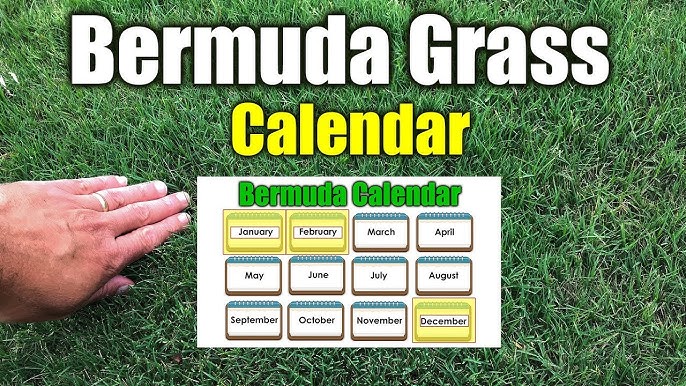
Fertilize Bermuda grass during its active growing season. This usually means spring through early fall. Avoid fertilizing in winter when the grass is dormant. Early morning or late afternoon works best for application. This prevents fertilizer from burning the grass in the heat.
Proper Application Methods
Use a spreader for even fertilizer coverage. Walk at a steady pace to avoid clumps. Water the lawn lightly after applying fertilizer to help it soak in. Avoid applying fertilizer on wet grass to prevent runoff. Follow the instructions on the fertilizer package carefully.
Avoiding Overfertilization
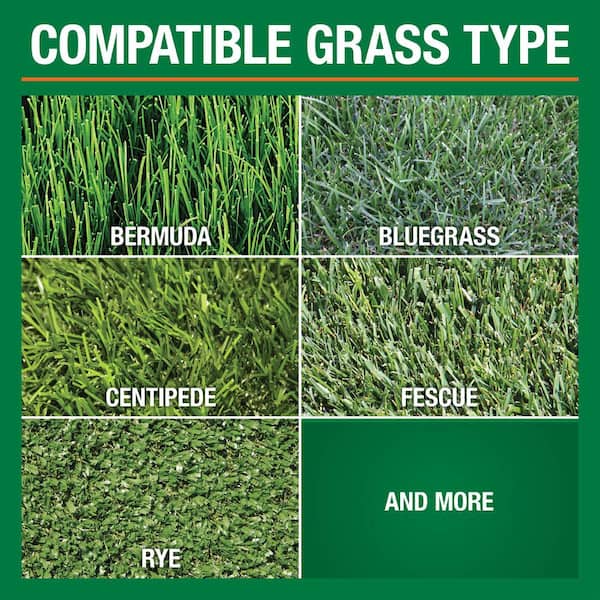
Too much fertilizer can damage Bermuda grass roots. It causes rapid growth that is weak and prone to disease. Apply fertilizer based on your lawn size and soil test results. Spread fertilizer in small, regular doses rather than one heavy application. Keep pets and children off the lawn until it dries.
Credit: www.homedepot.com
Troubleshooting Growth Issues
Troubleshooting growth issues in Bermuda grass helps keep your lawn healthy. Identifying problems early allows quick correction with the right fertilizer. Pay attention to how your grass looks and grows.
Common Nutrient Deficiencies
Bermuda grass often lacks nitrogen, phosphorus, or potassium. Nitrogen deficiency causes pale green or yellow leaves. Phosphorus shortage slows growth and weak roots. Potassium deficiency leads to brown leaf edges and poor stress tolerance. Test your soil to find missing nutrients. Choose a fertilizer that replaces those key elements.
Signs Of Fertilizer Burn
Fertilizer burn appears as brown, dry patches on grass. Over-fertilizing or using the wrong type causes this damage. Leaves may curl or look scorched. Avoid applying fertilizer on hot, dry days. Water the lawn after fertilizing to reduce burn risk.
Adjusting Fertilizer Use
Match fertilizer type and amount to your lawn’s needs. Use slow-release formulas for steady nutrient supply. Apply less fertilizer in cooler months to avoid stress. Follow package instructions carefully. Regular soil tests help adjust fertilizer plans for best results.
Maintaining Healthy Bermuda Lawns
A healthy Bermuda lawn needs more than just good fertilizer. Proper care helps the grass grow thick and green. Simple daily habits keep your lawn strong. These habits include watering, mowing, and caring for the soil.
Watering Practices
Water Bermuda grass deeply but not too often. Aim for about one inch of water each week. Early morning watering helps the grass absorb moisture. Avoid watering in the heat of the day. Overwatering can cause root problems and disease.
Mowing Guidelines
Keep Bermuda grass at a height of one to two inches. Cut the grass regularly to avoid stress. Use a sharp mower blade for clean cuts. Never remove more than one-third of the grass blade at once. This helps the lawn stay healthy and green.
Aeration And Soil Health
Aerate your lawn once or twice a year. Aeration allows air, water, and nutrients to reach the roots. Healthy soil supports strong grass growth. Add organic matter or compost to improve soil quality. Test your soil to check nutrient levels and pH balance.
Credit: www.youtube.com

Credit: theturfgrassgroup.com
Frequently Asked Questions
What Is The Best Fertilizer For Bermuda Grass?
The best fertilizer for Bermuda grass is one high in nitrogen. Use a balanced formula like 16-4-8 to promote healthy growth and green color. Apply during the growing season for optimal results.
How Often Should I Fertilize Bermuda Grass?
Fertilize Bermuda grass every 6 to 8 weeks during the growing season. This schedule supports steady growth and maintains turf health. Avoid over-fertilizing to prevent damage and nutrient runoff.
Can I Use Organic Fertilizer On Bermuda Grass?
Yes, organic fertilizers work well for Bermuda grass. They improve soil health and provide slow-release nutrients. Use compost or manure to enrich the soil naturally and promote sustainable growth.
When Is The Best Time To Fertilize Bermuda Grass?
The best time to fertilize Bermuda grass is late spring through summer. Apply fertilizer after the grass starts actively growing. Avoid fertilizing in early spring or fall when growth slows.
Conclusion
Choosing the right fertilizer helps your Bermuda grass grow strong and green. Use a fertilizer with balanced nutrients for healthy roots and leaves. Regular feeding keeps the grass thick and resistant to weeds. Avoid over-fertilizing to prevent damage. Water your lawn well after applying fertilizer.
Healthy Bermuda grass makes your yard look fresh and inviting. Follow these simple tips for a lawn that lasts all season.
