
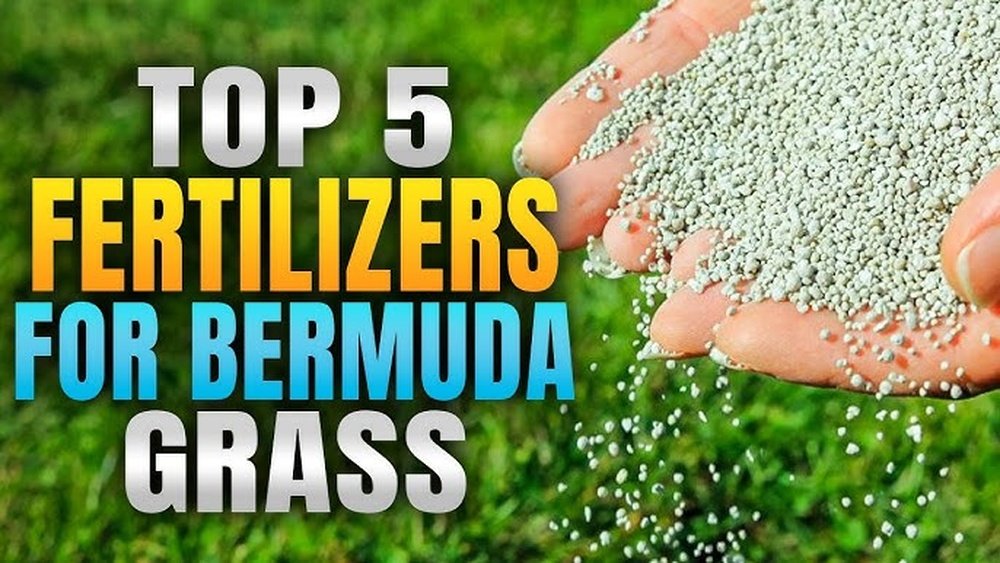
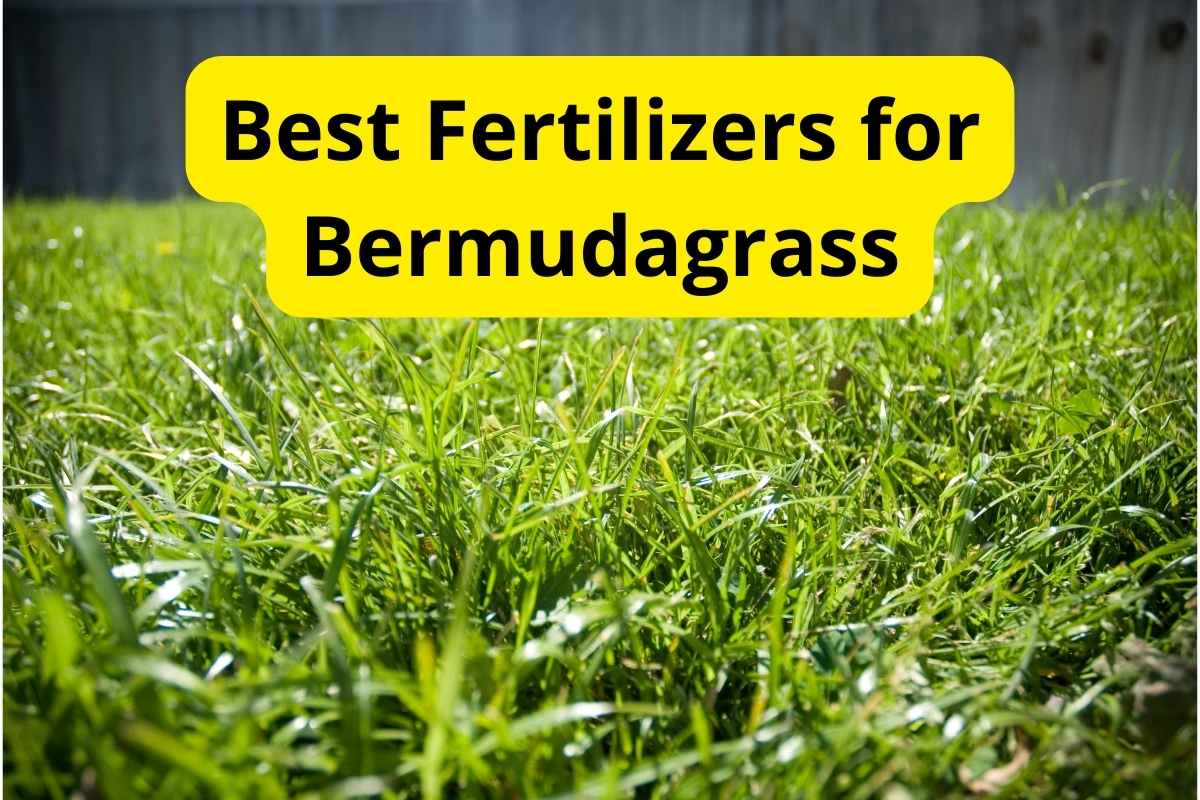
The best fertilizer for Bermuda grass is one rich in nitrogen, as it promotes vibrant green color and dense growth. Balanced fertilizers with phosphorus and potassium also support overall health. Choosing between slow-release and quick-release depends on your lawn’s needs, while soil testing ensures you apply the right nutrients for optimal results.
Are you struggling to keep your Bermuda grass lush and green? Choosing the right fertilizer can make all the difference in transforming your lawn into a vibrant, healthy oasis.
But with so many options out there, how do you know which one is the best for your Bermuda grass? You’ll discover the key nutrients your lawn needs, the top fertilizers that deliver results, and simple tips to help your grass thrive like never before.
Keep reading, and you’ll soon have the secret to a stunning Bermuda lawn right at your fingertips.

Credit: theturfgrassgroup.com
Choosing Fertilizer Types
Choosing the right fertilizer type plays a big role in growing healthy Bermuda grass. Fertilizers provide essential nutrients that support strong roots and green blades. Different fertilizers offer various benefits. Understanding these options helps you pick the best one for your lawn. This section explains key types of fertilizers for Bermuda grass.
Nitrogen-rich Options
Nitrogen is vital for Bermuda grass growth. It helps the grass stay green and thick. Nitrogen-rich fertilizers boost leaf development quickly. These fertilizers are ideal during the growing season. They improve the lawn’s color and density fast. Use nitrogen fertilizers carefully to avoid burning the grass.
Balanced Fertilizers
Balanced fertilizers contain nitrogen, phosphorus, and potassium. These nutrients support overall lawn health. Phosphorus helps root growth, while potassium strengthens disease resistance. Balanced fertilizers keep Bermuda grass healthy in all seasons. They work well for regular lawn maintenance. Choose balanced fertilizers to nourish all parts of your grass.
Slow-release Vs. Quick-release
Slow-release fertilizers release nutrients gradually over time. This means steady feeding for Bermuda grass. They reduce the risk of nutrient loss and burning. Quick-release fertilizers act fast and show quick results. They are useful for fixing nutrient deficiencies quickly. Both types have benefits; select based on your lawn’s needs.
Credit: www.lawnstarter.com
Soil Testing Importance
Soil testing is a key step in growing healthy Bermuda grass. It helps to know exactly what the soil needs. This prevents wasting money on the wrong fertilizer. Testing gives clear facts about soil health. It guides the choice of fertilizer for the best results.
Checking Ph Levels
The pH level shows how acidic or alkaline the soil is. Bermuda grass grows best in soil with a pH between 5.8 and 7.0. Testing pH helps to choose the right fertilizer and soil treatments. Correct pH improves nutrient uptake by the grass roots. This leads to greener, stronger Bermuda grass.
Identifying Nutrient Deficiencies
Soil tests reveal which nutrients are missing or low. Common nutrients for Bermuda grass include nitrogen, phosphorus, and potassium. Knowing nutrient levels helps pick the right fertilizer mix. This avoids over-fertilizing or harming the grass. Balanced nutrients support healthy growth and a thick lawn.
Application Timing
Timing is key when applying fertilizer to Bermuda grass. Applying fertilizer at the right time helps the grass grow strong and green. It also prevents waste and protects the environment. Understanding when to fertilize ensures the best results for your lawn.
Seasonal Fertilizing Schedules
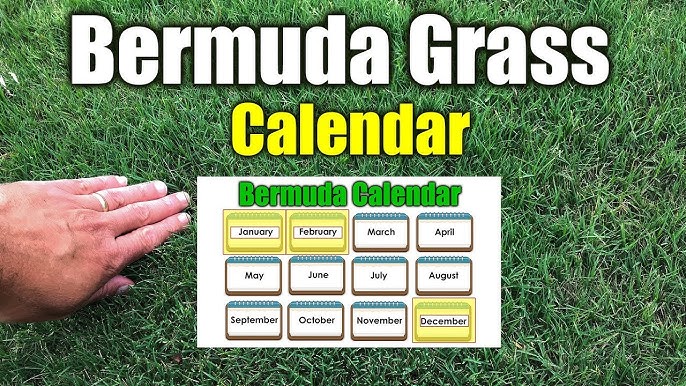
Bermuda grass grows most in warm weather. Start fertilizing in late spring when the grass begins to green up. Apply fertilizer every 6 to 8 weeks during the growing season. Stop fertilizing in early fall to let the grass prepare for winter. Avoid fertilizing in winter as the grass is dormant.
Best Time Of Day To Apply
Apply fertilizer in the early morning or late afternoon. These times reduce the risk of fertilizer burn. The sun is not too strong, so the grass absorbs nutrients better. Avoid midday when the sun is hot. Water the lawn after fertilizing to help nutrients reach the roots.
Fertilizer Application Tips
Applying fertilizer correctly is key to healthy Bermuda grass. It helps the grass grow strong and green. Follow simple steps to make sure the fertilizer works well. Proper application avoids waste and protects the environment. Learn easy tips to get the best results.
Proper Spreading Techniques
Use a spreader for even fertilizer coverage. Walk at a steady pace to avoid clumps. Spread fertilizer in two directions for full coverage. Avoid spreading on sidewalks or driveways. Wear gloves to protect your hands. Calibrate your spreader before use to apply the right amount.
Watering After Fertilizing
Water the lawn soon after spreading fertilizer. This helps nutrients soak into the soil. Use light, even watering to avoid runoff. Watering prevents fertilizer burn on the grass. Water early in the day to reduce evaporation. Keep the soil moist for a few days after application.
Common Mistakes To Avoid
Choosing the best fertilizer for Bermuda grass is important. Avoiding common mistakes helps keep your lawn healthy. Many people make errors that harm the grass. Knowing these mistakes saves time and money. Below are key mistakes to watch out for.
Over-fertilizing Risks
Applying too much fertilizer damages Bermuda grass. It causes leaf burn and weak roots. Excess nutrients can lead to pest problems. Over-fertilizing also wastes product and money. Follow recommended amounts on the fertilizer package. Apply only during the growing season for best results.
Ignoring Soil Conditions
Soil quality affects how fertilizer works. Sandy soil drains quickly and loses nutrients fast. Clay soil holds water but can cause root rot. Test your soil before fertilizing. Adjust fertilizer type based on soil test results. Healthy soil helps Bermuda grass absorb nutrients properly.
Organic Vs. Synthetic Fertilizers
Choosing the right fertilizer for Bermuda grass is important for a healthy lawn. Organic and synthetic fertilizers are the two main types. Each has unique features and benefits. Understanding these can help you decide what works best for your grass and soil.
Benefits Of Organic Choices
Organic fertilizers come from natural sources like compost and manure. They release nutrients slowly. This supports steady growth for Bermuda grass. Organic options improve soil health by adding beneficial microbes. These microbes help break down nutrients and keep the soil alive.
Using organic fertilizers reduces the risk of chemical buildup. They are safer for pets, children, and the environment. Organic fertilizers also help retain moisture in the soil. This means less watering is needed. Over time, organic fertilizers improve soil structure and fertility.
When To Use Synthetic Options
Synthetic fertilizers contain man-made chemicals. They provide quick nutrient boosts to Bermuda grass. This helps when the lawn shows signs of nutrient deficiency or stress. Synthetic options are useful during the growing season for fast results.
They are easy to apply and often come in specific nutrient ratios. This allows precise feeding of Bermuda grass. Use synthetic fertilizers with care to avoid overfeeding. Overuse can harm soil life and cause nutrient runoff. Synthetic fertilizers work best for quick fixes and targeted feeding.
Maintaining Healthy Bermuda Grass
Maintaining healthy Bermuda grass requires more than just good fertilizer. Proper care keeps the lawn green and strong. It prevents weeds, pests, and diseases that can damage the grass. Consistent attention helps Bermuda grass thrive in different weather conditions. Follow simple steps for a lush, healthy lawn all year.
Regular Mowing Practices
Mowing Bermuda grass regularly promotes thick, healthy growth. Keep the grass height between 1 and 2 inches. Cutting too short weakens the grass and invites weeds. Use sharp mower blades to avoid tearing. Mow often enough so you never remove more than one-third of the leaf. This helps the grass recover quickly and stay vibrant.
Pest And Disease Control
Watch for signs of pests like grubs and armyworms. These insects eat grass roots and blades. Early detection stops large infestations. Use natural or chemical treatments as needed. Diseases like dollar spot and brown patch also harm Bermuda grass. Proper watering and good air circulation reduce disease risk. Remove dead grass and debris to keep the lawn healthy.
Credit: www.youtube.com
Frequently Asked Questions
What Fertilizer Ratio Suits Bermuda Grass Best?
A balanced fertilizer with a ratio of 3-1-2 or 4-1-2 (N-P-K) works best. High nitrogen content promotes lush green growth. Phosphorus supports root development, while potassium boosts disease resistance.
When Is The Best Time To Fertilize Bermuda Grass?
Apply fertilizer in late spring through summer. Bermuda grass thrives in warm seasons. Fertilizing during active growth ensures nutrient absorption and healthy turf.
How Often Should Bermuda Grass Be Fertilized Annually?
Fertilize Bermuda grass 3 to 4 times yearly. Space applications every 6 to 8 weeks during the growing season. Over-fertilizing can harm the grass and environment.
Can Organic Fertilizers Work Well For Bermuda Grass?
Yes, organic fertilizers improve soil health and provide slow nutrient release. They enhance microbial activity and reduce chemical buildup. Use compost or natural amendments for sustainable growth.
Conclusion
Choosing the right fertilizer helps Bermuda grass stay green and healthy. A balanced fertilizer with nitrogen, phosphorus, and potassium works best. Apply it during the growing season for strong roots and thick grass. Avoid over-fertilizing to prevent damage and save money.
Regular feeding keeps your lawn lush and weed-free. Remember, healthy soil leads to better grass growth. Keep your Bermuda grass thriving with proper care and feeding. Simple steps make a big difference in lawn health. Your lawn will thank you with a vibrant, green look all year.
