

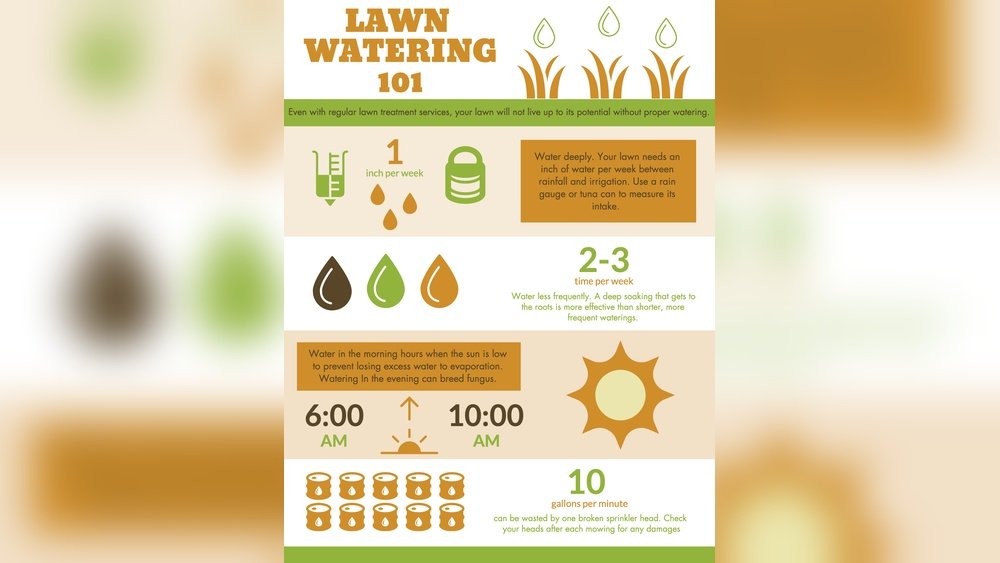
Bermuda grass generally needs deep watering about two to three times a week during warm months, reducing to once a week or less in cooler seasons. Adjust based on rainfall and soil moisture to prevent overwatering, which can damage roots and encourage disease. Early morning watering is best to minimize evaporation.
Are you struggling to keep your Bermuda grass green and healthy? One of the most common questions homeowners ask is, “How often should I water Bermuda grass?” Watering too much or too little can harm your lawn, making it look dry, patchy, or even dead.
But finding the right balance isn’t as hard as it seems. You’ll discover simple, expert-backed tips to help your Bermuda grass thrive. Keep reading to learn exactly when and how often you should water to get that lush, vibrant lawn you’ve always wanted.
Credit: www.gilbertaz.gov
Bermuda Grass Basics
Bermuda grass is a popular choice for lawns and sports fields. It grows fast and recovers quickly from damage. This grass type is known for its toughness and ability to handle heat well. Understanding its basics helps in proper care and watering.
Knowing how Bermuda grass grows and where it thrives can guide your watering schedule. Proper watering keeps the grass green and healthy without wasting water. Let’s explore some key facts about Bermuda grass.
Growth Characteristics
Bermuda grass spreads through above-ground runners called stolons. It also grows roots below the surface, called rhizomes. These help the grass fill in bare spots fast. The grass stays green in warm weather and goes dormant in cold. It grows best when temperatures are between 75 and 95 degrees Fahrenheit. The grass can handle heavy foot traffic and recovers quickly from wear.
Ideal Climate
Bermuda grass thrives in warm, sunny areas. It needs at least six hours of direct sunlight daily. It does well in the southern United States and similar climates. The grass is drought-tolerant but grows better with regular water. It struggles in shaded or very cold regions. Knowing the climate helps you decide how often to water Bermuda grass.
Water Needs By Season
Bermuda grass needs different amounts of water throughout the year. Seasons change the grass’s water needs. Understanding these changes helps keep your lawn healthy. Proper watering saves water and avoids problems.
Spring And Summer
Spring brings warmer weather and more growth. Bermuda grass needs more water to stay green. Water deeply twice a week for best results. Early morning watering reduces evaporation. Summer heat makes the grass thirsty. Increase watering to three times a week. Check soil moisture to avoid overwatering. Too much water can cause root problems.
Fall And Winter
Fall cools down the grass growth. Watering needs drop during this time. Water once a week or less. Watch for rain and adjust watering. Winter makes Bermuda grass go dormant. It needs very little water now. Water only if the soil is dry. Overwatering in winter can harm the grass roots.
Signs Of Overwatering
Overwatering Bermuda grass can harm its health and appearance. It is important to spot the signs early. These signs help you adjust your watering schedule. Watch your lawn closely for changes in color and texture. Notice how the grass reacts to watering. Some symptoms clearly show too much water is a problem.
Yellowing Grass
Yellow grass blades often mean excess water. Too much moisture can drown the roots. This stops the grass from getting oxygen. Without air, roots weaken and grass fades. Patches of yellow or pale green appear on the lawn. These areas look sick and dry despite watering. Yellowing is a clear warning to reduce water.
Fungal Growth
Wet conditions invite fungus to grow on Bermuda grass. Fungal diseases cause spots and mold on leaves. These fungi thrive in damp soil and heavy watering. You might see white, gray, or black patches. Fungus damages the grass and slows growth. It spreads quickly if water remains on the lawn. Cutting back on watering helps stop fungi from spreading.

Credit: www.visitsosoutdoor.com
Signs Of Underwatering
Knowing the signs of underwatering helps keep Bermuda grass healthy. Grass needs water to stay green and strong. Without enough water, the grass shows clear signs. Spotting these signs early saves your lawn from damage.
Dry Patches
Dry patches appear when water does not reach all areas. These spots look brown and feel hard. The grass blades there become brittle and break easily. Dry patches grow larger if watering is not fixed. Check your lawn often for these dry areas.
Slow Growth
Bermuda grass grows slowly without enough water. The blades stay short and thin. New shoots may not appear for weeks. Slow growth makes your lawn look weak and sparse. Regular watering helps keep the grass growing fast and healthy.
Best Watering Practices
Watering Bermuda grass correctly keeps it healthy and green. Proper watering avoids dry patches and disease. Follow best practices for timing, frequency, and techniques. This helps your lawn use water well and grow strong.
Timing And Frequency
Water Bermuda grass early in the morning. This reduces water loss from heat and wind. Water once or twice a week during hot months. Each session should soak the soil deeply, about 6 to 8 inches. Avoid shallow watering that causes weak roots. Reduce watering in cooler months when grass grows slower.
Watering Techniques
Use sprinklers that cover the lawn evenly. Avoid watering sidewalks or driveways. Water slowly to let soil absorb moisture. Stop watering when water runs off the surface. Use drip irrigation or soaker hoses for better control. Check soil moisture by feeling it an inch below the surface. Water only when soil feels dry at this depth.
Soil And Water Retention
Soil and water retention play a big role in how often you water Bermuda grass. The soil holds the water and gives it to the grass roots. Different soils hold water in different ways. Knowing your soil type helps you water your grass properly. Good water retention means less frequent watering and healthier grass.
Soil Types
Sandy soil drains water quickly. It does not hold water well. Bermuda grass in sandy soil needs more watering. Clay soil holds water for a long time. It drains slowly and stays wet. Grass in clay soil needs less watering. Loamy soil is a mix of sand, silt, and clay. It holds water well and drains okay. This soil is best for Bermuda grass. Knowing your soil type helps you decide how often to water.
Improving Moisture Retention
You can improve soil moisture retention easily. Adding organic matter like compost helps hold water. Mulching around Bermuda grass reduces water loss. Aerate the soil to improve water absorption. Avoid compacted soil; it stops water from soaking in. Water deeply but less often. This encourages deep roots and better water use. These steps keep your Bermuda grass healthy and green.
Using Irrigation Systems
Using irrigation systems can make watering Bermuda grass easier and more efficient. These systems deliver water evenly across your lawn. They save time and help maintain healthy grass by providing consistent moisture.
Sprinkler Setup
Sprinklers are popular for watering Bermuda grass. Set them to run early in the morning. This reduces water loss from evaporation. Adjust the sprinkler heads to cover all lawn areas. Avoid watering sidewalks or driveways to save water. Check the system often for leaks or blockages. Proper timing and placement help keep grass green and strong.
Drip Irrigation Benefits
Drip irrigation uses tubes to deliver water directly to the soil. This method reduces water waste by targeting roots only. It works well in small areas or patches of Bermuda grass. Drip systems use less water than sprinklers. They prevent overwatering and reduce weed growth. Installing a drip system can improve water use and grass health.
Adjusting Watering For Weather
Adjusting watering for weather is key to keeping Bermuda grass healthy. The grass needs different amounts of water in different weather conditions. Watering should change based on rainfall and heat. This helps the grass grow strong without wasting water or causing problems.
Rainfall Considerations
Rainfall reduces the need to water your Bermuda grass. After heavy rain, skip watering for a few days. Too much water can drown the roots and cause disease. Light rain might not give enough water, so you may still need to water a little. Watch the soil. If it feels wet, hold off on watering.
Heatwaves And Droughts
During heatwaves, Bermuda grass needs more water. Hot, dry weather dries out the soil quickly. Water early in the morning or late in the evening to reduce evaporation. In droughts, water deeply but less often to encourage deep roots. Avoid watering in the heat of the day. This saves water and helps the grass survive tough conditions.
Common Watering Mistakes
Watering Bermuda grass sounds simple but many make common mistakes. These errors waste water and hurt your lawn’s health. Understanding these mistakes helps you grow green, strong grass. Proper watering supports deep roots and keeps the grass fresh longer.
Overwatering Your Bermuda Grass
Giving too much water is a frequent error. It causes shallow roots and weak grass. Overwatered soil stays wet, leading to fungus and disease. Water only when the soil feels dry an inch below the surface.
Watering Too Often
Daily watering is not always best. Bermuda grass thrives with less frequent, deep watering. Watering too often keeps roots near the surface, making grass less drought-resistant. Aim for two to three times a week in warm weather.
Watering At The Wrong Time
Watering during midday loses water to evaporation. Early morning watering is ideal. It gives grass time to absorb water before heat rises. Evening watering can cause fungal growth due to long wetness.
Ignoring Soil Type
Different soils need different watering amounts. Sandy soil drains quickly and needs more water. Clay soil holds water longer and needs less. Adjust watering schedules based on your soil type for best results.

Credit: www.youtube.com
Frequently Asked Questions
How Often Should I Water Bermuda Grass In Summer?
Water Bermuda grass deeply 2-3 times weekly during summer. Early morning watering helps reduce evaporation and promotes root growth. Adjust frequency based on rainfall and soil type for best results.
Can I Water Bermuda Grass Daily Without Harm?
Daily watering is usually unnecessary and can harm Bermuda grass. Overwatering causes shallow roots and disease. Aim for deep, less frequent watering to encourage strong roots.
How Much Water Does Bermuda Grass Need Weekly?
Bermuda grass requires about 1 to 1. 25 inches of water weekly. This includes rainfall and irrigation. Proper watering promotes healthy growth and drought resistance.
What Is The Best Time To Water Bermuda Grass?
Water Bermuda grass early morning between 6 a. m. and 10 a. m. This timing minimizes evaporation and fungal growth, ensuring water reaches the roots effectively.
Conclusion
Water Bermuda grass deeply but less often for best results. This helps roots grow strong and healthy. Adjust watering based on weather and soil type. Avoid watering too much to prevent disease and waste. Watch your lawn’s color and feel to know when to water.
Proper care keeps your grass green and lush all season. Simple steps make a big difference in lawn health. Stay consistent and enjoy a beautiful Bermuda lawn year-round.
