
Are you wondering how Bermuda grass looks like and whether it’s the right choice for your lawn? You’re not alone.
Recognizing Bermuda grass can help you decide if it fits your outdoor space and maintenance style. This grass has unique features that make it stand out, but you might miss them if you don’t know what to look for. Keep reading, and you’ll soon be able to spot Bermuda grass with confidence and understand why so many homeowners prefer it.
Your lawn could be transformed once you know exactly what Bermuda grass looks like.
Credit: fortsmithlandscaping.com
Bermuda Grass Appearance
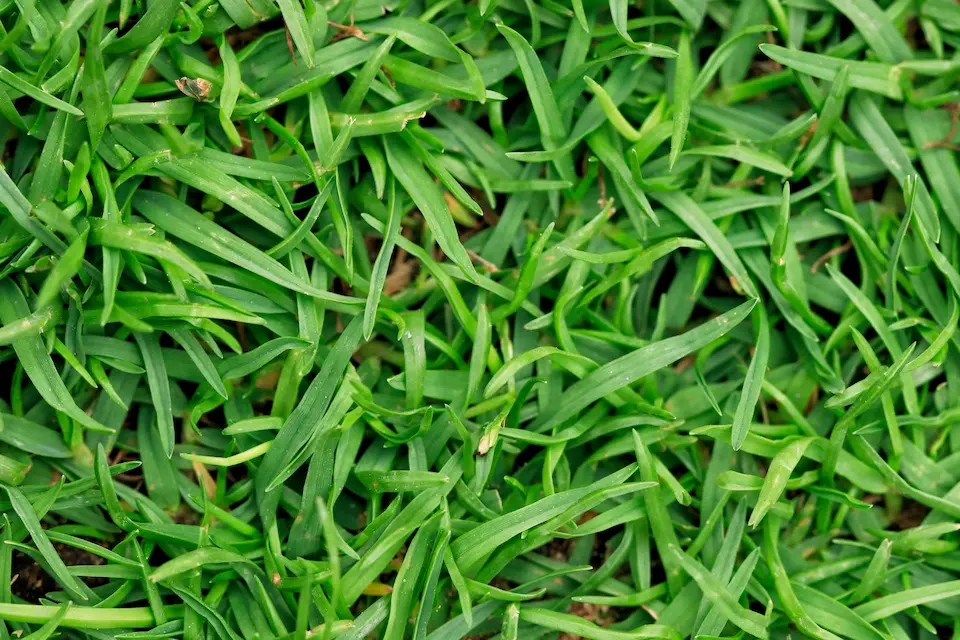
Bermuda grass has a distinct look that makes it popular for lawns and sports fields. It thrives in warm climates and shows off a dense, lush appearance. Understanding its features helps identify this grass easily in any yard or park.
Leaf Shape And Texture
Bermuda grass leaves are narrow and pointed at the tip. Each blade feels coarse but not rough. The texture gives a sturdy feel underfoot. The leaves grow in bunches, creating a thick ground cover.
Color Variations
The grass usually appears bright green in spring and summer. It can turn brownish or yellow in colder months. Some varieties show a darker green shade. Color depends on sunlight, water, and soil type.
Growth Pattern
Bermuda grass spreads quickly through stolons and rhizomes. It forms a tight, carpet-like mat on the ground. The grass grows low and spreads wide. This pattern helps it resist weeds and bare spots.
Credit: theturfgrassgroup.com
Identifying Bermuda Grass Blades
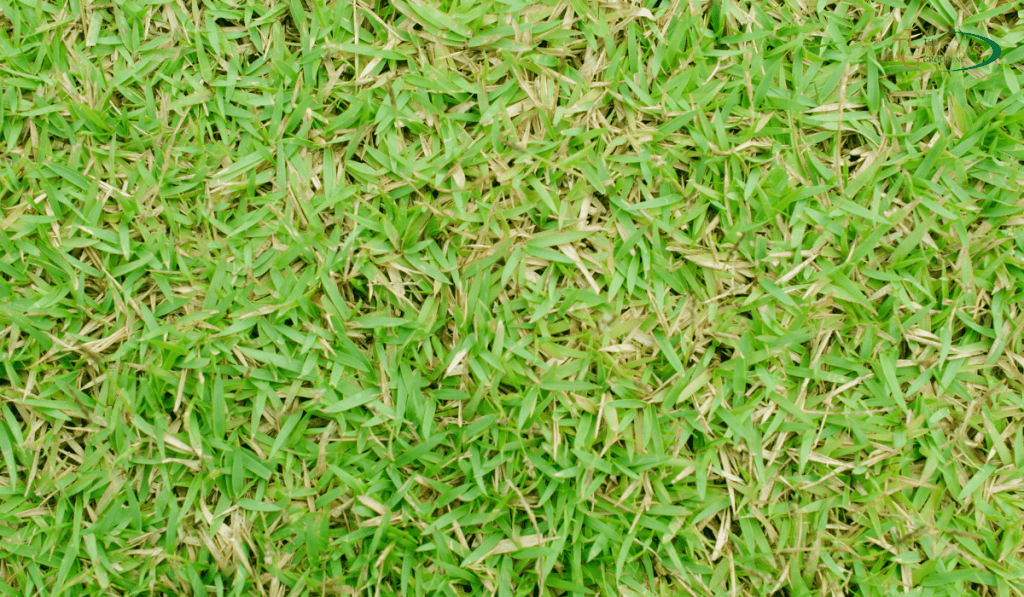
Identifying Bermuda grass blades is key to recognizing this popular lawn grass. The blades have distinct features that set them apart from other grasses. Observing their width, length, tips, edges, and surface shine helps in accurate identification. Here is a closer look at these characteristics.
Blade Width And Length
Bermuda grass blades are narrow, usually between 1/8 to 1/4 inch wide. The length varies but typically ranges from 2 to 6 inches. These thin, long blades grow densely, creating a thick carpet-like lawn. Their size helps Bermuda grass survive in hot, dry climates.
Blade Tips And Edges
The blade tips of Bermuda grass often come to a pointed end. Edges are smooth but firm to the touch. This sharp tip differs from grasses with rounded or frayed tips. The clean edges help the grass stay healthy and resist damage from foot traffic.
Sheen And Surface
Bermuda grass blades have a subtle sheen under sunlight. The surface feels slightly rough due to tiny hairs on the blades. This texture helps the grass hold water and nutrients better. The shine and surface texture give Bermuda grass a healthy, vibrant look.
Bermuda Grass Growth Stages
Bermuda grass grows through clear stages that show its strength and beauty. Each stage has unique features that help you recognize the grass and understand its needs.
Knowing these growth stages helps in proper lawn care. It guides watering, mowing, and fertilizing schedules for healthy grass.
Seedling Stage
At the seedling stage, Bermuda grass shoots appear thin and light green. The blades are short and narrow, often less than two inches tall. Roots start forming quickly, anchoring the grass to the soil. This stage needs gentle watering to keep soil moist but not soaked.
Mature Grass
Mature Bermuda grass shows thick, dark green blades. The grass spreads rapidly with strong, dense growth. It forms a tight, carpet-like lawn that resists weeds well. Mowing is essential at this stage to keep the grass healthy and prevent overgrowth.
Dormant Phase
During the dormant phase, Bermuda grass turns brown or straw-colored. Growth slows down as the grass rests in cooler temperatures. It requires less water and no mowing at this time. The grass will green up again when warm weather returns.
Common Bermuda Grass Varieties
Bermuda grass has several popular types. Each type has unique traits and uses. Knowing these types helps you choose the best grass for your lawn or sports field.
These grasses are tough, grow fast, and handle heat well. They also recover quickly from damage. Below are the most common Bermuda grass varieties.
Common Bermuda
Common Bermuda grass is the original type. It has thin, coarse blades that grow quickly. It spreads fast with runners and roots. This grass handles heat and drought well. It is often used in pastures and lawns. It needs regular mowing to stay neat.
Hybrid Bermuda
Hybrid Bermuda grass is a mix of different Bermuda types. It grows thicker and finer than common Bermuda. It creates a dense, soft surface. This variety is popular on sports fields and golf courses. It also resists wear and tear better. It needs more care but looks great.
Tifway And Tiftuf
Tifway and TifTuf are top hybrid Bermuda types. Tifway has dark green color and fine texture. It grows fast and recovers quickly from damage. TifTuf is drought-tolerant and uses water efficiently. Both types handle heavy use and heat well. They keep lawns and fields green longer.
Distinguishing Bermuda Grass From Similar Types
Distinguishing Bermuda grass from other lawn grasses is important for proper care. Many grasses look alike, but small details set Bermuda apart. These differences help you choose the right grass for your yard. Below, find key points to tell Bermuda grass from similar types.
Zoysia Grass Comparison
Bermuda grass blades are thin and fine. Zoysia grass blades are thicker and coarser. Bermuda grows quickly and spreads fast. Zoysia grows slower and forms a denser carpet. The color of Bermuda is bright green. Zoysia tends to be darker green. Bermuda has a rough texture. Zoysia feels softer underfoot.
St. Augustine Grass Comparison
St. Augustine grass has wide, flat blades. Bermuda grass blades are narrow and pointed. St. Augustine grows in clumps. Bermuda spreads evenly with runners. The color of St. Augustine is deep blue-green. Bermuda is usually lighter green. St. Augustine prefers shade. Bermuda thrives in full sun.
Buffalo Grass Comparison
Buffalo grass blades are thin but curly. Bermuda blades are straight and smooth. Buffalo grows slower than Bermuda. It forms a less dense lawn. Buffalo grass is bluish-green in color. Bermuda has a yellow-green tone. Buffalo tolerates drought better. Bermuda needs more water.
Tips For Spotting Bermuda Grass In Lawns
Identifying Bermuda grass in your lawn helps maintain a healthy yard. Knowing its features saves time and effort in lawn care. Here are simple tips to spot Bermuda grass easily.
Seasonal Changes
Bermuda grass changes color with the seasons. It stays green in warm months and turns brown in cold. This grass grows fast in spring and summer. It goes dormant and looks dry in winter. Watching these changes helps recognize Bermuda grass quickly.
Texture Feel Test
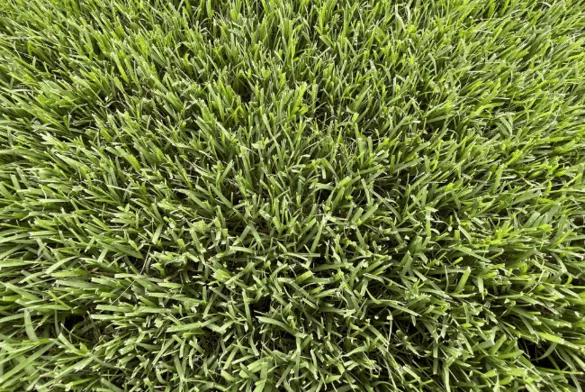
Touch the grass to check its texture. Bermuda grass feels coarse and rough. It has thin, stiff blades that spread out. The grass forms dense mats on the ground. Running your hand over the lawn shows if it matches this texture.
Visual Clues In Different Lighting
Look at the grass under different lights. In bright sunlight, Bermuda grass shines with a deep green color. In shade, it looks lighter and less dense. Early morning dew highlights its fine blades. These visual clues help confirm Bermuda grass in your lawn.
Credit: www.jonathangreen.com
Frequently Asked Questions
What Color Is Bermuda Grass Typically?
Bermuda grass usually has a vibrant green color. It appears bright and fresh during warm seasons. In cooler weather, it can turn brown or dormant.
How Fine Or Coarse Is Bermuda Grass Texture?
Bermuda grass has a fine to medium texture. Its blades are thin, soft, and densely packed. This texture provides a lush, carpet-like appearance.
How Tall Does Bermuda Grass Usually Grow?
Bermuda grass typically grows between 6 to 12 inches tall. It spreads horizontally and forms a thick, dense turf. Regular mowing keeps it neat and healthy.
Can Bermuda Grass Survive In Shaded Areas?
Bermuda grass prefers full sun but tolerates light shade. It thrives best with at least 6-8 hours of direct sunlight daily. In deep shade, growth becomes sparse.
Conclusion
Bermuda grass has a distinct look that is easy to spot. Its fine, green blades grow densely and spread quickly. This grass stays green in warm weather and can handle heavy foot traffic. Knowing how Bermuda grass looks helps you care for your lawn better.
It also makes lawn problems easier to identify. Keep your grass healthy by watering and mowing it well. A strong lawn adds beauty and value to your yard. Now, you can recognize Bermuda grass with confidence.
