

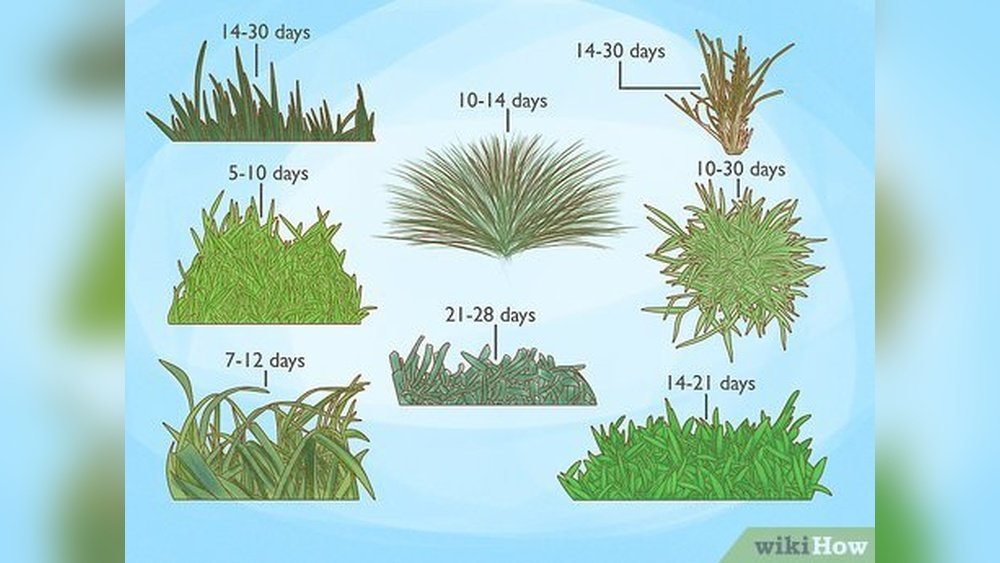
Bermuda grass seed typically sprouts within 7 to 14 days when planted in warm soil above 65°F. Proper soil preparation, consistent moisture, and sunlight are essential for quick and healthy germination. Cooler temperatures or poor soil conditions can delay the process, so timing and care are crucial.
Are you eager to see fresh green grass sprouting in your yard? Knowing how long it takes for Bermuda grass seed to sprout is key to planning your lawn care and avoiding frustration.
You want quick results, but also realistic expectations. You’ll discover exactly what affects the sprouting time and how to give your Bermuda grass the best start. Keep reading to learn the simple steps that will have your lawn looking vibrant sooner than you think.

Credit: www.youtube.com
Bermuda Grass Seed Basics
Bermuda grass is a popular choice for warm climates. It grows fast and makes a thick, green lawn. Knowing the basics of Bermuda grass seed helps you plant it right. This guide covers seed types and the best time to plant.
Seed Types
Bermuda grass seeds come in different types. Common Bermuda is cheaper and grows well. Hybrid Bermuda seeds offer better color and density. Choose seeds based on your lawn needs and budget. Each type may have different growth rates.
Ideal Planting Time
The best time to plant Bermuda grass seed is late spring. Soil temperatures should reach at least 65°F (18°C). Warmer soil helps seeds sprout faster. Avoid planting in cold or wet weather. Planting at the right time gives the seed the best start.

Credit: www.reddit.com
Germination Timeline
The germination timeline shows how long Bermuda grass seed takes to sprout. This period is important for planning your lawn care. Knowing what to expect helps you stay patient and care properly for the grass.
Typical Sprouting Period
Bermuda grass seed usually sprouts within 7 to 14 days. Warm soil speeds up sprouting. Cooler soil can slow it down. You will see tiny green shoots breaking through the soil surface. This early growth marks the start of your lawn’s life.
Factors Affecting Speed
Soil temperature plays a big role in sprouting speed. Bermuda grass grows best in soil above 65°F (18°C). Watering is also key. The soil must stay moist but not soaked. Too little water delays sprouting. Too much water may cause seeds to rot. Sunlight helps the seed grow strong and fast. Poor soil quality or compacted soil can slow growth. Good soil with nutrients boosts sprouting speed.
Soil Preparation Tips
Preparing the soil is key to help Bermuda grass seed sprout quickly. Good soil gives the seed a strong start. It holds moisture and nutrients. It also allows roots to grow deep and steady. Take time to prepare your soil well for better results.
Soil Type And Ph
Bermuda grass grows best in sandy or loamy soil. These soils drain water well and warm up fast. Clay soil can hold too much water and slow growth. Check your soil pH before planting. Bermuda grass prefers a pH between 5.8 and 7.0. Test kits are easy to use. Adjust pH by adding lime to raise it or sulfur to lower it.
Nutrient Requirements
Healthy soil needs the right nutrients for Bermuda grass. Nitrogen is the most important nutrient. It helps the grass grow green and thick. Phosphorus supports root growth, especially when starting. Potassium strengthens the grass and helps resist disease. Use a balanced fertilizer that fits your soil test. Spread it evenly and mix it lightly into the topsoil.
Watering Schedule
Watering plays a key role in how fast Bermuda grass seed sprouts. Proper watering helps seeds stay moist without drowning them. The right schedule supports healthy germination and strong growth. Understanding water needs can save time and effort.
Too little water slows down sprouting. Too much water can wash seeds away or cause rot. Keeping balance is the goal for fast and healthy grass growth.
Moisture Needs During Germination
Bermuda grass seeds need constant moisture to start growing. The soil should feel damp but not soaked. Water lightly several times a day. This keeps seeds wet and ready to sprout. Check soil daily and adjust watering if needed.
Avoiding Overwatering
Overwatering can harm Bermuda grass seeds. Water that pools on the surface may drown seeds or cause fungus. Water only enough to keep soil moist. Stop watering if soil feels muddy or soggy. Good drainage helps prevent water buildup. Less water is better than too much at this stage.
Temperature And Light
Temperature and light play a big role in how fast Bermuda grass seed sprouts. These two factors create the right environment for seeds to grow strong roots and shoots. Without the right temperature and enough sunlight, the seeds may take longer to sprout or might not sprout at all.
Optimal Temperature Range
Bermuda grass seeds sprout best in warm soil. The ideal temperature is between 70°F and 95°F. Cooler soil slows down the sprouting process. If the temperature drops below 60°F, seeds may stay dormant for weeks. Warmer soil speeds up germination and helps roots grow fast.
Sunlight Requirements
Bermuda grass needs plenty of sunlight to grow well. It thrives in full sun with at least 6 to 8 hours of direct light daily. Shade or low light can cause weak growth. Sunlight helps the seedling produce energy to develop strong leaves and roots. Plant seeds in a sunny spot for best results.
Credit: www.sare.org
Common Growth Challenges
Growing Bermuda grass seed is not always easy. Several problems can slow down its growth or stop it from sprouting properly. Knowing these common challenges helps you take care of your lawn better. Here are the main issues that affect Bermuda grass seed growth.
Pests And Diseases
Insects and bugs can harm young Bermuda grass seedlings. They eat the tender shoots and roots. This damage makes the grass weak and slow to grow. Diseases like fungi also attack the grass. They cause spots, mold, and decay on the leaves and stems. Both pests and diseases reduce the chance of healthy grass growth.
Weed Competition
Weeds grow fast and take the nutrients meant for Bermuda grass. They block sunlight and water from reaching the seedlings. This competition makes it hard for the grass seed to sprout and grow strong. Controlling weeds is important for giving Bermuda grass a good start.
Boosting Germination Speed
Speeding up Bermuda grass seed sprouting helps you enjoy a green lawn sooner. Simple steps can make seeds grow faster and stronger. These methods improve seed readiness and create better conditions for growth.
Faster germination means less time waiting and quicker lawn coverage. Small changes in how you prepare and treat seeds make a big difference. Two effective ways are pre-soaking seeds and using growth enhancers.
Pre-soaking Seeds
Pre-soaking Bermuda grass seeds softens their outer shell. This helps water reach inside the seed quickly. Soaked seeds start the germination process faster than dry seeds.
Use clean, warm water for soaking. Soak the seeds for 12 to 24 hours. Avoid soaking longer to prevent seed damage. After soaking, plant the seeds right away for best results.
Using Growth Enhancers
Growth enhancers give seeds extra nutrients and energy. These products include natural seaweed extracts and mild fertilizers. They improve seed strength and speed up sprouting.
Apply growth enhancers carefully following the label. Too much can harm the seeds or soil. Proper use boosts seedling health and helps roots develop quickly.
Post-germination Care
After Bermuda grass seed sprouts, proper care helps the grass grow strong. This stage is very important for a healthy lawn. You must give the right attention to the young grass. It needs water, nutrients, and good mowing habits. These steps help the grass develop deep roots and vibrant color. Follow these simple care tips for best results.
Mowing Guidelines
Wait until the grass reaches about 2 to 3 inches tall. Cutting too early can harm young grass. Use a sharp mower blade for a clean cut. Set the mower height to 1 to 2 inches at first. Do not remove more than one-third of the grass height at once. Mow regularly to keep the lawn neat. This also encourages thick growth and weed control.
Fertilizing Schedule
Apply a balanced fertilizer about 4 to 6 weeks after germination. Choose a fertilizer with nitrogen, phosphorus, and potassium. Follow the instructions on the package for the right amount. Avoid over-fertilizing as it can burn the grass. Fertilize again every 6 to 8 weeks during the growing season. Proper feeding helps the grass stay green and strong.
Frequently Asked Questions
How Long Does Bermuda Grass Seed Take To Sprout?
Bermuda grass seed typically sprouts within 7 to 14 days. Warm soil temperatures around 70-85°F speed up germination. Proper watering and sunlight improve sprouting success. Cooler conditions may delay growth beyond two weeks.
What Soil Temperature Is Ideal For Bermuda Seed Germination?
Ideal soil temperature for Bermuda grass seed germination is between 70°F and 85°F. Seeds germinate fastest in warm conditions. Below 60°F, germination slows or stops. Maintaining this range ensures quicker and healthier sprouting.
How Often Should I Water Bermuda Grass Seed?
Water Bermuda grass seed lightly but frequently. Keep the soil consistently moist, not soggy. Water 2-3 times daily during germination. Reduce watering frequency once sprouts appear. Proper moisture prevents seed drying and supports growth.
When Will Bermuda Grass Fully Establish After Sprouting?
Bermuda grass usually fully establishes in 6 to 8 weeks. After sprouting, regular watering and fertilizing help roots develop. Mowing can start once grass reaches 2 inches. Patience ensures a dense, healthy lawn.
Conclusion
Bermuda grass seed usually sprouts within 7 to 14 days. Warm soil and proper watering help speed up growth. Avoid overwatering to prevent seed rot. Patience is key during this stage. Watch for tiny green shoots to appear. Once sprouted, regular care will help your lawn thrive.
Keep the soil moist but not soggy. Good sunlight also supports healthy growth. With time and care, your Bermuda grass will fill in nicely. Enjoy the lush, green lawn you’ve worked hard to grow.
