


Are you wondering how much water your Bermuda grass really needs each week to stay green and healthy? Giving your lawn the right amount of water can make all the difference between a vibrant yard and a patchy, dry one.
Too little water, and your grass struggles to grow; too much, and you risk wasting water and inviting disease. You’ll discover the simple watering guidelines that will keep your Bermuda grass thriving without any guesswork. Keep reading to find out exactly how to give your lawn the perfect drink every week!
Credit: agrilifeextension.tamu.edu
Water Needs Of Bermuda Grass
Bermuda grass grows best with the right amount of water. Too little water makes it dry and brown. Too much water can cause roots to rot. Knowing how much water Bermuda grass needs helps keep it green and healthy.
Water needs depend on many things. Soil type, weather, and the grass’s growth stage all matter. Watering Bermuda grass properly saves water and keeps the lawn strong.
Factors Influencing Water Requirements
Soil type changes how much water grass needs. Sandy soil drains fast and needs more water. Clay soil holds water longer, so it needs less watering.
Sunlight and temperature affect water use. Hot, sunny days dry the soil quickly. Shady areas need less water because they lose less moisture.
The age of the grass also matters. New grass or recent sod needs more water. Established grass can survive with less frequent watering.
Seasonal Variations In Water Demand
In summer, Bermuda grass grows fast and needs more water. Weekly watering of about 1 to 1.25 inches helps keep it green. Water deeply but less often to encourage strong roots.
During cooler months, the grass grows slower and uses less water. Watering once a week or less may be enough. Watch for rain and reduce watering if the soil stays moist.
Spring and fall need moderate watering. Grass starts growing in spring and slows down in fall. Adjust watering based on temperature and rainfall.
Weekly Watering Recommendations
Watering Bermuda grass correctly is key to a healthy lawn. The right amount of water keeps the grass green and strong. Too little water makes it dry and brown. Too much water can cause disease and waste resources. Follow weekly watering guidelines to keep Bermuda grass at its best.
Adjust your watering habits based on the weather and soil type. This helps the grass grow well and saves water.
Ideal Water Amounts Per Week
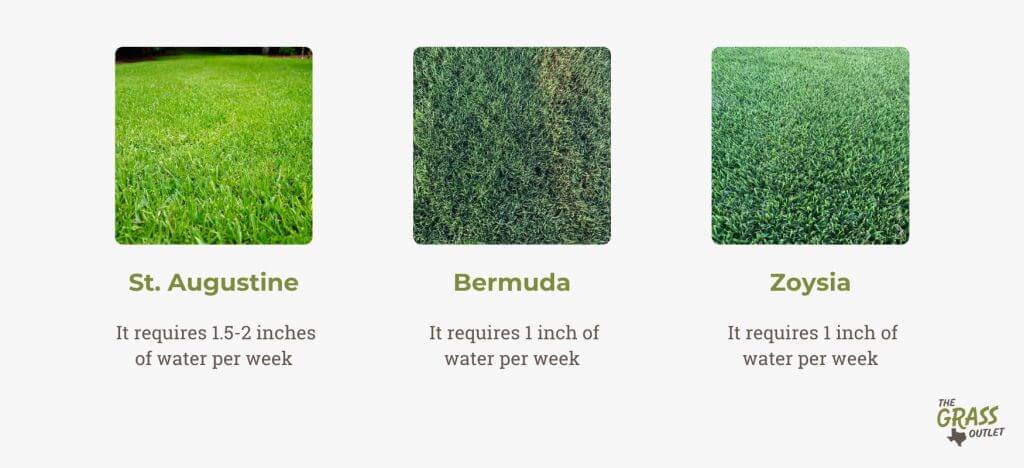
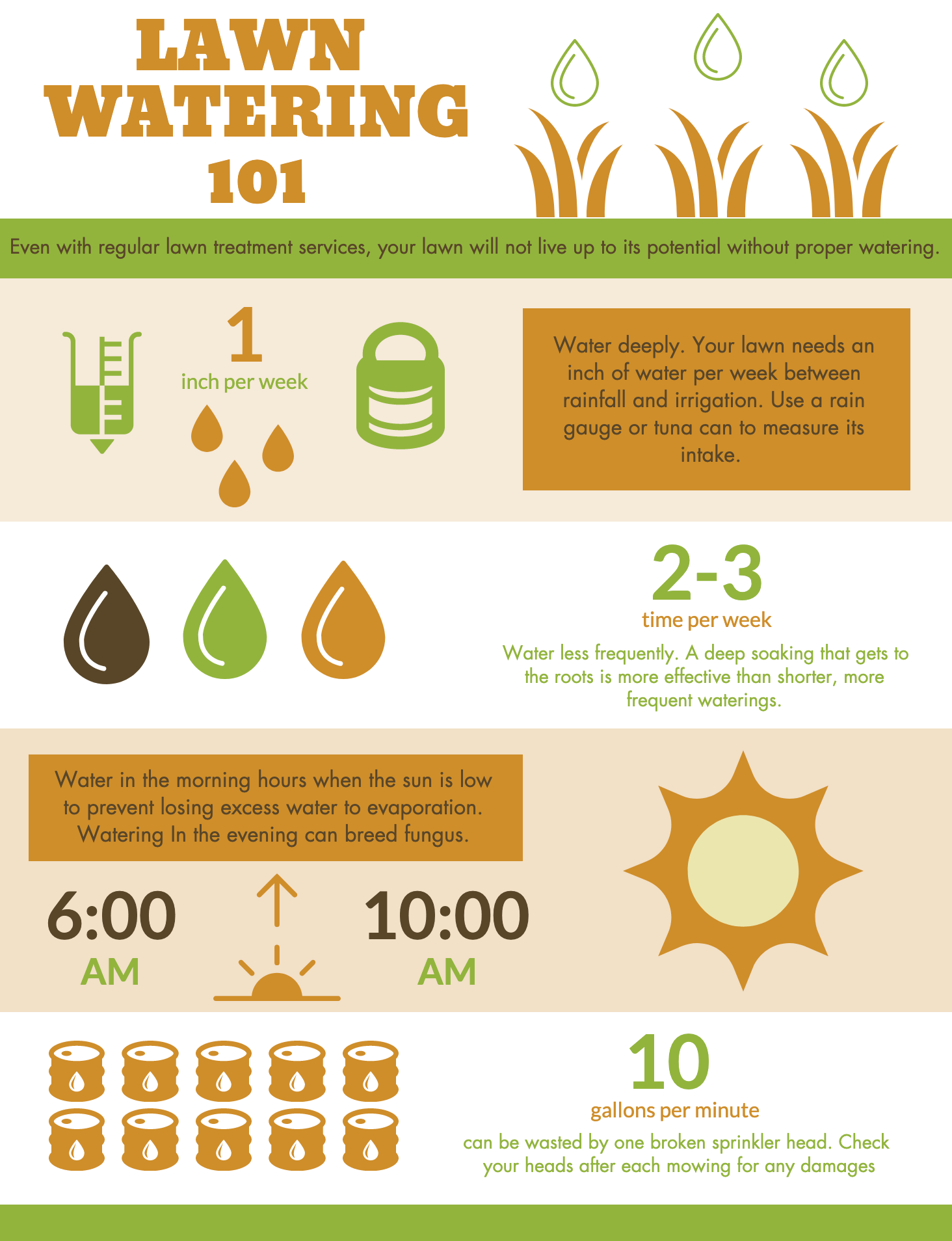
Bermuda grass needs about 1 to 1.25 inches of water each week. This includes rainfall and irrigation. Water deeply to reach the roots. Light watering often does not help the roots grow deep. Watering once or twice a week is better than daily shallow watering.
Measure your watering time to avoid over or under watering. Use a rain gauge or a small container to check how much water your sprinkler delivers. Adjust watering time to reach the ideal amount per week.
Adjusting Watering Based On Soil Type
Sandy soils drain water quickly. They need more frequent watering but less water each time. Clay soils hold water longer. Water less often but deeply to avoid waterlogging. Loamy soils hold water well and drain well. Watering can be moderate and balanced.
Check your soil type by digging a small hole and feeling the texture. Adjust watering schedule to fit your soil. This helps Bermuda grass stay healthy and strong.
Best Watering Practices
Watering Bermuda grass properly helps keep it green and healthy. The right watering habits save water and prevent problems. Follow best watering practices for a strong lawn. These tips help your grass get enough water without waste.
Time Of Day To Water
Water Bermuda grass early in the morning. Between 6 a.m. and 10 a.m. is best. Morning watering reduces evaporation and lets grass dry during the day. Avoid watering in the heat of the afternoon. Evening watering can cause disease due to damp grass overnight.
Techniques For Efficient Irrigation
Use a sprinkler that spreads water evenly over your lawn. Water slowly to let it soak into the soil. Avoid watering hard or fast, which causes runoff. Check your irrigation system often for leaks or clogs. Deep watering encourages roots to grow strong and deep.
Signs Of Overwatering And Underwatering
Knowing the signs of overwatering and underwatering helps keep Bermuda grass healthy. Water is key for growth, but too much or too little causes problems. Watch your lawn closely to spot these signs early. This helps save water and keeps your grass green and strong.
Symptoms Of Excess Water
Overwatering makes Bermuda grass roots weak. The grass looks yellow or pale green. You may see patches of soggy soil. Mushrooms or mold can grow on the lawn. The grass blades may feel soft and limp. Too much water also invites pests and diseases. Water pooling on the surface shows excess watering.
Indicators Of Water Deficiency
Dry grass blades curl and turn brown at the tips. The lawn looks dull and dusty. Soil feels hard and cracked underfoot. Bermuda grass grows slowly or stops growing. Footprints stay visible longer on dry grass. The grass may wilt during hot afternoons. These signs show the grass needs more water.
Impact Of Climate On Water Needs
Climate plays a big role in how much water Bermuda grass needs. Different weather conditions change how fast the soil dries out. This affects how often and how much you should water your lawn. Understanding your local climate helps keep Bermuda grass healthy and green.
Hot And Dry Conditions
In hot and dry weather, Bermuda grass needs more water. The sun heats the ground, causing fast evaporation. The grass uses more water to stay alive. Watering deeply twice a week helps the roots grow strong. Shallow watering does not reach the roots well. Early morning watering reduces water loss from heat.
Humid And Rainy Environments
In humid or rainy places, Bermuda grass needs less watering. The air holds moisture, slowing soil drying. Rainfall often meets the grass’s water needs. Overwatering can cause root problems. Check the soil before watering. Water only if the top inch of soil feels dry. This keeps the grass healthy without wasting water.
Credit: thegrassoutlet.com
Using Mulch And Soil Amendments
Using mulch and soil amendments helps Bermuda grass keep moisture longer. This practice reduces water needs each week. Mulch covers the soil, slowing water evaporation. Soil amendments improve soil structure and water holding capacity. Together, they create a better environment for Bermuda grass roots.
Benefits For Moisture Retention
Mulch acts as a protective layer on top of the soil. It blocks sunlight and wind, which dry out the soil fast. This keeps water in the ground for longer. Soil amendments like compost or peat moss help soil hold water well. They make the soil soft and loose, so roots can absorb water easily. This means Bermuda grass can survive with less frequent watering.
Types Of Effective Mulches
Organic mulches work best for Bermuda grass. Wood chips, straw, and grass clippings add nutrients as they break down. These mulches also improve soil quality over time. Inorganic mulches like gravel or rubber do not add nutrients but still reduce evaporation. Choose mulch that fits your soil type and climate. Apply mulch in a thin layer to avoid suffocating the grass roots.
Water Conservation Tips For Bermuda Grass
Bermuda grass needs water to stay green and healthy. Using water wisely helps save money and protects nature.
Here are easy ways to water Bermuda grass without wasting water. These tips keep your lawn fresh and use less water.
Smart Irrigation Systems
Smart irrigation systems water your lawn only when needed. They use sensors to check soil moisture and weather.
This stops watering during rain or when the ground is wet. Smart systems help reduce water use by up to 30%.
You can set timers to water early morning or late evening. This prevents water loss from evaporation.
Rainwater Harvesting Options
Collecting rainwater is a natural way to water your lawn. Use barrels or tanks to save rain from your roof.
Rainwater is free and good for plants. It reduces your need for tap water.
Use rainwater during dry times to keep Bermuda grass green. This method saves water and lowers bills.
Credit: southernlawns.net
Frequently Asked Questions
How Much Water Does Bermuda Grass Need Weekly?
Bermuda grass requires about 1 to 1. 25 inches of water per week. This includes rainfall and irrigation. Consistent watering helps maintain its lush, green appearance and promotes healthy growth.
When Is The Best Time To Water Bermuda Grass?
The best time to water Bermuda grass is early morning. Watering before sunrise reduces evaporation and allows the grass to absorb moisture efficiently. Avoid watering late evening to prevent fungal diseases.
Can Bermuda Grass Survive With Less Water?
Yes, Bermuda grass is drought-tolerant but thrives with regular watering. During dry periods, reduce water to 0. 5 inches weekly. Overwatering can cause shallow roots and disease risks.
How Deep Should I Water Bermuda Grass?
Water Bermuda grass deeply to encourage strong roots. Aim for about 6 inches of soil penetration per watering session. Deep watering reduces surface evaporation and promotes drought resistance.
Conclusion
Bermuda grass needs about 1 to 1. 25 inches of water weekly. This amount keeps it healthy and green. Water deeply but less often to encourage strong roots. Avoid watering daily or too little. Watch the weather and adjust watering during rain or heat.
Good watering helps Bermuda grass grow thick and resist weeds. Follow these simple steps for a lush lawn. Your grass will thank you with a vibrant look all season. Simple care makes a big difference.
