
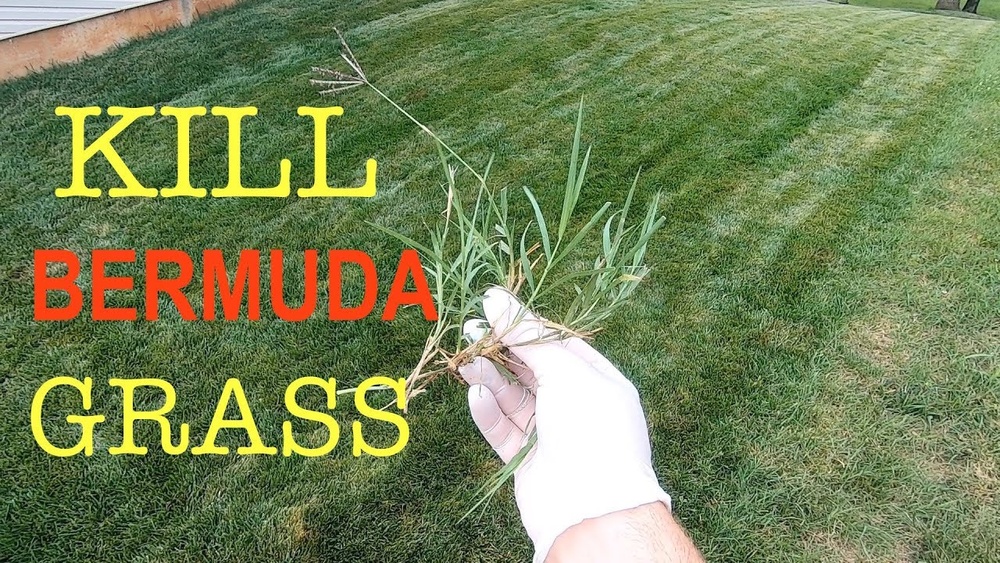
Bermuda grass can be tough to control because it spreads rapidly through runners and roots. To get rid of it, start by identifying and physically removing patches, then assess your soil and lawn health. Combining manual removal with targeted treatments will help you reclaim your lawn and prevent regrowth.
Is Bermuda grass taking over your lawn and making it hard to enjoy your outdoor space? You’re not alone.
This stubborn weed spreads quickly and can choke out the grass you actually want. But don’t worry—getting rid of Bermuda grass is possible, and you don’t need to be a gardening expert to do it. You’ll discover simple, effective steps to reclaim your lawn and keep it healthy and green.
Keep reading, and by the end, you’ll have the tools to say goodbye to Bermuda grass for good.
Credit: blackgold.bz
Identify Bermuda Grass
Identifying Bermuda grass is the first step to control it in your lawn. This grass grows quickly and spreads fast. Knowing its look and how it grows helps you manage it better. Spotting it early saves your lawn from damage.
Key Characteristics
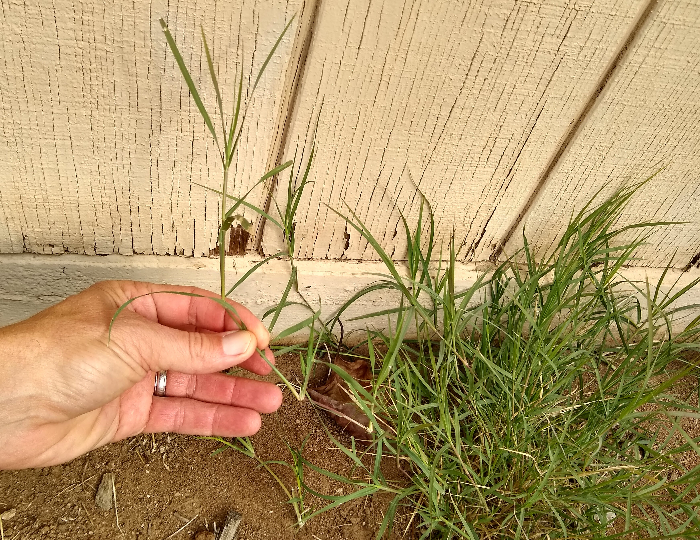
Bermuda grass has a coarse texture with thin, green blades. The blades grow in a V-shape. They are usually 1 to 4 inches long. The grass feels rough and tough underfoot. It forms dense mats that block other plants. The stems are hairy and can root at nodes.
Common Growth Patterns
This grass spreads by above-ground runners called stolons. It also grows underground stems called rhizomes. These runners and rhizomes help it cover large areas fast. Bermuda grass thrives in warm, sunny spots. It dies back in cold or shady areas. It often appears in patches that get bigger over time.
Assess Lawn Condition
Assessing your lawn condition is the first step to remove Bermuda grass effectively. You need to understand your lawn’s current health and makeup. This knowledge guides the best removal method. A healthy lawn recovers faster and fights weeds better.
Soil Health Check
Test your soil to find its pH and nutrient levels. Bermuda grass thrives in certain soil types. Knowing your soil helps decide treatment options. Poor soil can weaken other grasses. Fix soil issues by adding lime or fertilizer as needed. Good soil supports strong grass growth and reduces weed problems.
Existing Grass Types
Identify the grasses growing with Bermuda grass. Some grasses compete well against Bermuda. Others may suffer and allow it to spread. Recognize which grasses you want to keep. This helps choose the right herbicide or removal method. Understanding grass types prevents damage to your lawn’s good parts.
Manual Removal Methods
Manual removal methods offer a natural way to remove Bermuda grass from your lawn. This approach avoids chemicals and focuses on physical removal. It requires patience and effort but provides effective control. Removing Bermuda grass manually helps protect your soil and plants. It works best for small patches or areas where you want to avoid herbicides.
Hand Pulling Techniques
Start by watering the lawn a day before pulling. Moist soil loosens the roots, making removal easier. Grasp the grass firmly near the base. Pull slowly to remove the entire root system. If roots break, the grass will grow back. Check for any leftover runners or stolons. Remove these to prevent regrowth. Dispose of pulled grass carefully to avoid spreading seeds. Repeat this process regularly for best results.
Using Tools Effectively
Use a garden fork or hand trowel to loosen soil. Insert the tool around the grass clump gently. Lift the roots and stolons without breaking them. Avoid disturbing nearby plants or grass. For larger patches, a hoe or spade works well. Cut beneath the root zone to remove deep roots. After removal, fill holes with fresh soil. Tools help reduce strain and improve efficiency. Clean tools after use to prevent spreading grass fragments.
Herbicide Options
Choosing the right herbicide is key to controlling Bermuda grass. Different herbicides target specific types of plants. Selecting the proper one helps protect your lawn while removing unwanted Bermuda grass. Understanding the types of herbicides makes the process easier.
Selective Herbicides
Selective herbicides kill Bermuda grass but do not harm other grasses. They target specific weeds and grasses, leaving your lawn safe. Use these if your lawn has desirable grass types. They work best on young, actively growing Bermuda grass. Always read the label to check which grasses are safe.
Non-selective Herbicides
Non-selective herbicides kill all plants they touch, including your lawn grass. Use these only for bare spots or total lawn renovation. They work fast and completely remove Bermuda grass. Be very careful during application to avoid harming nearby plants. Follow safety guidelines and protect your skin and eyes.
Application Tips
Apply herbicides on dry, calm days to reduce drift. Follow the instructions on the product label closely. Use the recommended amount; too much can damage your lawn. Water your lawn after application only if the label allows it. Repeat treatments may be necessary for stubborn Bermuda grass.
Cultural Control Practices
Cultural control practices help reduce Bermuda grass in your lawn naturally. These methods improve your lawn’s health. A strong lawn resists unwanted grasses better. Use these simple habits to control Bermuda grass over time.
Mowing Strategies
Mow your lawn regularly. Keep grass height at about 2 to 3 inches. Shorter mowing weakens Bermuda grass. Avoid cutting more than one-third of the grass blade at once. This helps your lawn stay healthy and strong.
Proper Watering
Water your lawn deeply but less often. Aim for about one inch of water per week. This encourages deep roots in desired grass. Avoid frequent shallow watering. Bermuda grass grows well with frequent watering, so limit its advantage.
Fertilization Tips
Use fertilizer suited for your lawn type. Apply nitrogen carefully. Too much nitrogen helps Bermuda grass spread quickly. Feed your lawn lightly and less often. Balanced fertilization keeps your lawn healthy without boosting Bermuda grass.
Credit: gregalder.com
Preventing Bermuda Grass Return
Stopping Bermuda grass from coming back is key to a healthy lawn. This grass spreads fast and can take over if not controlled. Using simple steps helps keep it away for good. Focus on creating a tough barrier against its return.
Mulching Benefits
Mulch blocks sunlight that Bermuda grass needs to grow. It also keeps the soil moist and cool. This helps your lawn plants stay strong. Use organic mulch like wood chips or straw. Spread it thickly around plants and bare spots.
Mulching reduces weed seeds from sprouting. It creates a natural shield to stop Bermuda grass. Mulch also adds nutrients to the soil as it breaks down. This supports healthy grass and plants.
Barriers And Edging
Physical barriers stop Bermuda grass roots from spreading. Use plastic or metal edging around flower beds and lawn edges. The barrier should be at least 6 inches deep. This blocks underground runners from crossing.
Check barriers often for gaps or damage. Fix problems quickly to keep grass contained. Barriers are an easy way to control spread without chemicals.
Regular Lawn Maintenance
Keep your lawn thick and healthy to crowd out Bermuda grass. Mow regularly at the right height for your grass type. Water deeply but less often to encourage strong roots.
Fertilize your lawn to give grass the nutrients it needs. Remove weeds and Bermuda grass patches by hand. Consistent care makes it hard for Bermuda grass to return.
Alternative Grass Choices
Choosing the right grass type helps control Bermuda grass in your lawn. Alternative grasses suit different climates and soil types. They offer easier maintenance and better lawn health. Some grasses grow well in shade, while others resist drought. Picking the right variety creates a strong, healthy lawn.
Shade-tolerant Varieties
Shade-tolerant grasses grow in low sunlight areas. They keep lawns green under trees and near buildings. Fine fescue and St. Augustine grass do well in shade. These grasses need less water and care in shady spots. They stop Bermuda grass from spreading in low light.
Drought-resistant Options
Drought-resistant grasses survive with little water. They save water and stay green in dry spells. Buffalo grass and Bermuda alternatives like zoysia thrive in drought. These grasses reduce lawn stress and prevent bare patches. They help keep Bermuda grass under control during dry periods.

Credit: www.youtube.com
Frequently Asked Questions
What Is The Best Way To Kill Bermuda Grass Permanently?
Use a selective herbicide designed for Bermuda grass. Apply it carefully to avoid harming other plants. Repeat treatment may be needed for full control.
Can Bermuda Grass Be Removed Without Chemicals?
Yes, you can remove Bermuda grass by digging it out and solarizing the soil. This method is labor-intensive but chemical-free and effective over time.
How Long Does It Take To Eliminate Bermuda Grass?
Complete removal usually takes several weeks to months. Consistent treatment and lawn care speed up the process. Patience is key for lasting results.
Is Bermuda Grass Harmful To Other Lawn Grasses?
Yes, Bermuda grass spreads aggressively and can choke out other grasses. It competes for nutrients and water, making it tough for other lawns to thrive.
Conclusion
Controlling Bermuda grass takes patience and care. Regularly remove the grass by digging or using herbicides. Keep your lawn healthy with proper watering and mowing. Check your lawn often to stop new growth early. Small steps lead to a cleaner, greener yard.
Stay consistent and watch your lawn improve over time. You can enjoy a beautiful lawn free from unwanted grass.
