

Bermuda grass needs at least 6 to 8 hours of direct sunlight daily to grow thick, green, and healthy. Without enough sun, it can become thin, weak, and more susceptible to disease. Ensuring your lawn receives adequate sunlight is essential for maintaining its vibrant appearance and overall health.
Are you wondering why your Bermuda grass isn’t growing as lush and green as you hoped? One key factor might be the amount of sunlight it’s getting.
Knowing how many hours of sun Bermuda grass needs can make a huge difference in your lawn’s health and appearance. You’ll discover the ideal sunlight requirements to help your grass thrive, save you time and effort, and create the beautiful yard you deserve.
Keep reading to unlock the secret to a vibrant Bermuda grass lawn.
Sunlight Requirements
Bermuda grass thrives best with the right amount of sunlight. Sunlight helps the grass grow strong and stay green. Without enough sun, it can struggle and lose its healthy look.
Understanding how many hours of sun Bermuda grass needs can help you keep your lawn lush and healthy. Below are details about its sunlight needs and what happens if it does not get enough sun.
Optimal Sun Hours
Bermuda grass needs at least 6 to 8 hours of direct sunlight each day. This amount of sun allows it to photosynthesize well and grow thick. More sun means better growth and color. In full sun, Bermuda grass spreads quickly and stays green longer.
Effects Of Insufficient Sunlight
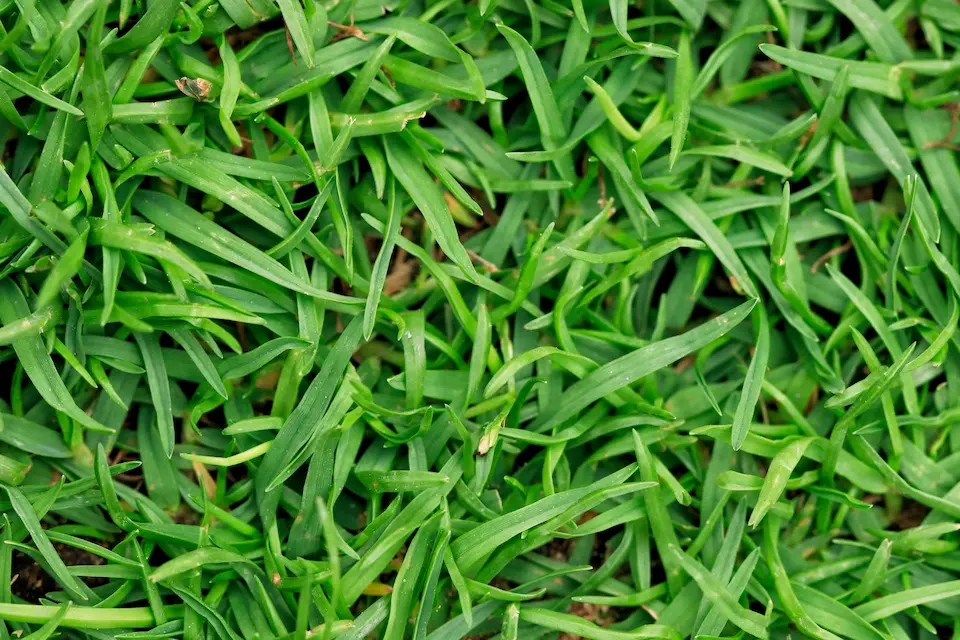
When Bermuda grass gets less than 6 hours of sun, it starts to weaken. The grass becomes thin and patchy. It may turn yellow or brown in shaded areas. Poor sunlight also makes Bermuda grass more prone to disease and weeds. Lack of sun reduces its ability to recover from stress like heat or drought.
Credit: fortsmithlandscaping.com
Growth Cycle Of Bermuda Grass
Bermuda grass has a clear growth cycle. It changes with the seasons and sunlight. Understanding this cycle helps in proper care and maintenance. The grass grows best under the right conditions. Knowing when it grows fast or slows down is useful. This knowledge helps keep your lawn green and healthy all year.
Seasonal Growth Patterns
Bermuda grass grows actively in warm months. It starts growing in spring as temperatures rise. Summer is the peak growth time. The grass grows thick and green. In fall, growth slows down. The grass prepares for cooler weather. Winter is a dormant phase. Growth almost stops during cold months. The grass may turn brown but stays alive.
Role Of Sunlight In Growth Stages
Sunlight is vital for Bermuda grass growth. The grass needs at least six to eight hours of sun daily. Sunlight helps the grass make food through photosynthesis. More sun means stronger, greener grass. During spring and summer, sunlight boosts fast growth. In low light, growth slows and grass may thin. Proper sunlight keeps the grass healthy and resilient. Too little sun causes weak growth and bare spots.
Planting Tips For Maximum Sun Exposure
Planting Bermuda grass requires good sun exposure for healthy growth. The right amount of sunlight helps the grass grow thick and green. Choosing the right spot and preparing the soil well can make a big difference. Follow these tips to give your Bermuda grass the best chance to thrive under the sun.
Ideal Locations
Pick a place that gets at least 6 to 8 hours of direct sunlight daily. Open areas without tall trees or buildings work best. Avoid shady spots or places near large objects that block the sun. South-facing yards often receive the most sun. Check your yard throughout the day to find the sunniest area.
Soil Preparation
Good soil helps Bermuda grass absorb sunlight and nutrients. Start by clearing rocks, weeds, and debris. Loosen the soil to about 6 inches deep using a rake or tiller. Mix in organic matter like compost to improve soil health. Level the area to avoid water pooling. Well-prepared soil supports strong roots and better sun use.
Credit: www.jonathangreen.com
Managing Shade And Sunlight Balance
Finding the right balance between sunlight and shade is key for healthy Bermuda grass. Too much shade can weaken the grass and slow its growth. Too much sun without enough water can dry it out. Managing this balance helps Bermuda grass stay green and strong all season.
Dealing With Partial Shade
Bermuda grass needs at least 6 to 8 hours of sun daily. In partial shade, the grass may grow thin or patchy. Choose grass types that tolerate some shade if sunlight is limited. Keep the lawn thin and avoid heavy foot traffic in shaded areas. These steps help Bermuda grass survive with less sun.
Pruning Trees And Shrubs
Pruning nearby trees and shrubs lets more sunlight reach the grass. Trim branches that block the sun during key daylight hours. Pruning also improves air flow, which helps grass dry and stay healthy. Regular trimming keeps the right balance of sun and shade for Bermuda grass.
Watering And Fertilizing With Sunlight In Mind
Watering and fertilizing Bermuda grass need careful planning around sunlight. Sunlight affects how much water the grass loses. It also changes how the grass uses nutrients. Knowing this helps keep your lawn healthy and green.
Sunlight hours change daily and seasonally. Water and fertilizer should match these changes. This prevents waste and supports strong grass growth. Below are key tips for watering and fertilizing Bermuda grass with sunlight in mind.
Adjusting Water Needs
Bermuda grass loses water faster under direct sunlight. During long sunny hours, water more often but in smaller amounts. This stops the soil from drying out completely. Early morning watering is best to reduce evaporation.
In shaded areas, the grass uses less water. Water less to avoid soggy soil. Overwatering can cause root problems and disease. Check soil moisture to decide when to water next.
Fertilizer Timing
Apply fertilizer when Bermuda grass gets enough sunlight for growth. Morning or late afternoon are ideal times. The grass absorbs nutrients better and avoids sunburn. Fertilize during active growth periods, usually spring and summer.
Do not fertilize before heavy rains or during drought. Nutrients can wash away or stress the grass. Follow the sunlight pattern and grass health to adjust fertilizer timing.
Credit: turfmasterslawncare.com
Common Problems Linked To Sunlight
Bermuda grass thrives best with enough sunlight. Too little or too much sun causes problems. These issues affect the health and growth of the grass. Understanding common problems linked to sunlight helps maintain a lush lawn. Below are key problems caused by sunlight extremes.
Sun Scorch And Heat Stress
Too much sun can scorch Bermuda grass leaves. The blades turn brown and dry quickly. Heat stress makes the grass weak and thin. It loses its green color and vigor. Grass in full sun needs extra water to avoid stress. Shade or partial shade helps reduce heat damage.
Pest And Disease Risks
Sunlight affects pest and disease pressure on Bermuda grass. Stressed grass is more likely to attract pests like mites and grubs. Some fungal diseases spread faster in hot, sunny conditions. Proper sunlight balance keeps grass healthy and pest-resistant. Regular lawn care helps control these risks effectively.
Enhancing Growth Under Varied Sunlight
Bermuda grass grows best with full sunlight. Still, many lawns get different light amounts during the day. Some areas have shade from trees or buildings. You can help Bermuda grass grow well even with less sun.
Using simple methods, you can keep your lawn green and healthy. These tips support growth under varied sunlight. They also protect the grass from stress caused by shade or heat.
Using Mulch
Mulch keeps soil moist and cool. It slows water loss and stops weeds from growing. Adding mulch around Bermuda grass roots helps the grass stay strong. Mulch also protects the soil from harsh sun rays.
Choose organic mulch like wood chips or straw. Spread a thin layer to avoid blocking sunlight. This keeps the ground healthy and supports root growth. Mulch makes the lawn more resilient in mixed sun areas.
Shade-tolerant Varieties
Some Bermuda grass types handle shade better than others. These varieties need less sun but still grow green and thick. Selecting shade-tolerant strains helps lawns in partly shaded spots.
These grasses adapt to lower light by growing wider blades. They use sunlight more efficiently. Planting shade-tolerant Bermuda grass improves lawn coverage and reduces bare patches. This choice boosts lawn health under trees or near buildings.
Frequently Asked Questions
How Many Hours Of Sun Does Bermuda Grass Need Daily?
Bermuda grass requires 6 to 8 hours of direct sunlight daily. This ensures healthy growth and vibrant green color. Less sunlight may cause thinning and weak growth.
Can Bermuda Grass Grow In Partial Shade?
Bermuda grass can tolerate light shade but prefers full sun. In partial shade, growth slows and may become sparse. For best results, plant where it gets at least 6 hours of sun.
What Happens If Bermuda Grass Gets Too Little Sun?
Insufficient sun causes Bermuda grass to weaken and thin out. It becomes more vulnerable to diseases and weeds. Consistent sunlight is key for dense, healthy turf.
Is Bermuda Grass Suitable For Shaded Lawns?
Bermuda grass is not ideal for heavily shaded areas. It thrives best in full sun. Consider shade-tolerant grass types if your lawn has significant shade.
Conclusion
Bermuda grass thrives best with at least six to eight hours of sunlight. Too little sun can make it weak and patchy. Giving your lawn enough light helps it grow thick and green. Sunlight supports strong roots and healthy blades.
Keep this in mind when planting or caring for Bermuda grass. A sunny spot means a happier, healthier lawn. Simple steps bring great results. Your grass will thank you with a lush, green look all season long.
