
To get rid of Bermuda grass without harming your other grass, start by identifying and targeting Bermuda patches carefully. Use manual removal or natural herbicides like vinegar, and promote healthy lawn growth with proper grass types and maintenance. These steps help control Bermuda grass while keeping your lawn healthy and green.
Are you tired of Bermuda grass taking over your lawn but worried about harming the grass you love? You’re not alone.
Bermuda grass can be stubborn and invasive, making it hard to keep your yard looking its best. The good news is, you don’t have to choose between getting rid of Bermuda grass and saving your healthy lawn. You’ll discover simple, effective ways to remove Bermuda grass without killing your other grass.
Keep reading to learn how to reclaim your yard and enjoy a lush, green lawn that’s all your own.
Credit: www.agsod.com
Identify Bermuda Grass
Identifying Bermuda grass is the first step to controlling it without harming other grass types. Knowing what Bermuda grass looks like helps you target it effectively. This way, you keep your lawn healthy and green.
Characteristics Of Bermuda Grass
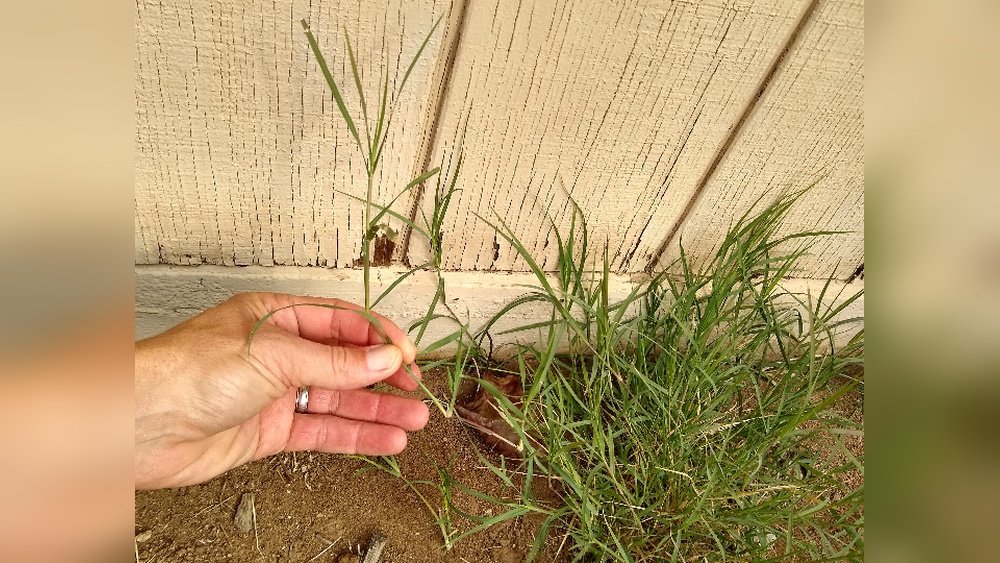
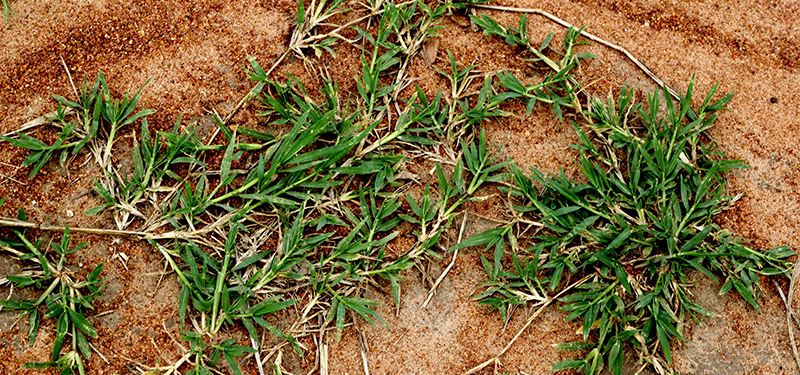
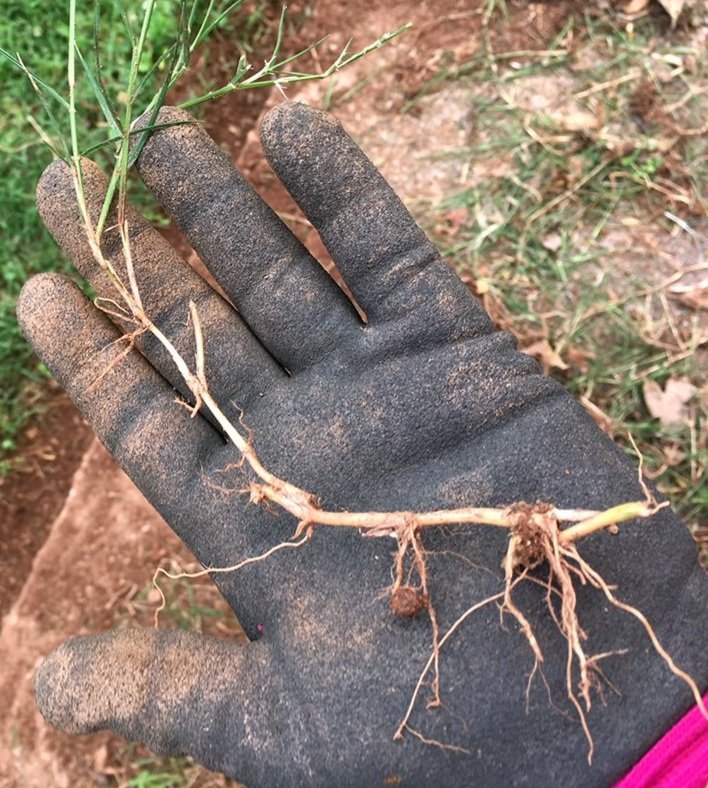
Bermuda grass has thin, light green blades. The leaves feel rough to the touch. It grows in a spreading pattern, forming dense mats. Bermuda grass spreads through runners called stolons and underground stems called rhizomes. It often turns brown in winter but grows back quickly in warm weather. The grass blades are about 1/8 to 1/4 inch wide. This grass stays low to the ground, usually under 6 inches tall.
Common Areas Bermuda Grass Thrives
Bermuda grass grows best in warm, sunny spots. It thrives in lawns, sports fields, and golf courses. It can survive in poor soil and drought conditions. This grass often invades flower beds and garden edges. You may also find it growing in cracks of sidewalks or driveways. Bermuda grass spreads quickly in areas with full sun and little shade. It dislikes very wet or heavily shaded areas.
Credit: www.youtube.com
Safe Removal Techniques
Removing Bermuda grass without harming your regular lawn takes care and patience. Safe removal techniques help you keep your grass healthy and green. These methods focus on removing Bermuda grass gently and naturally. The goal is to get rid of the unwanted grass without using harsh chemicals. This section covers two main ways to do it safely.
Manual Removal Methods
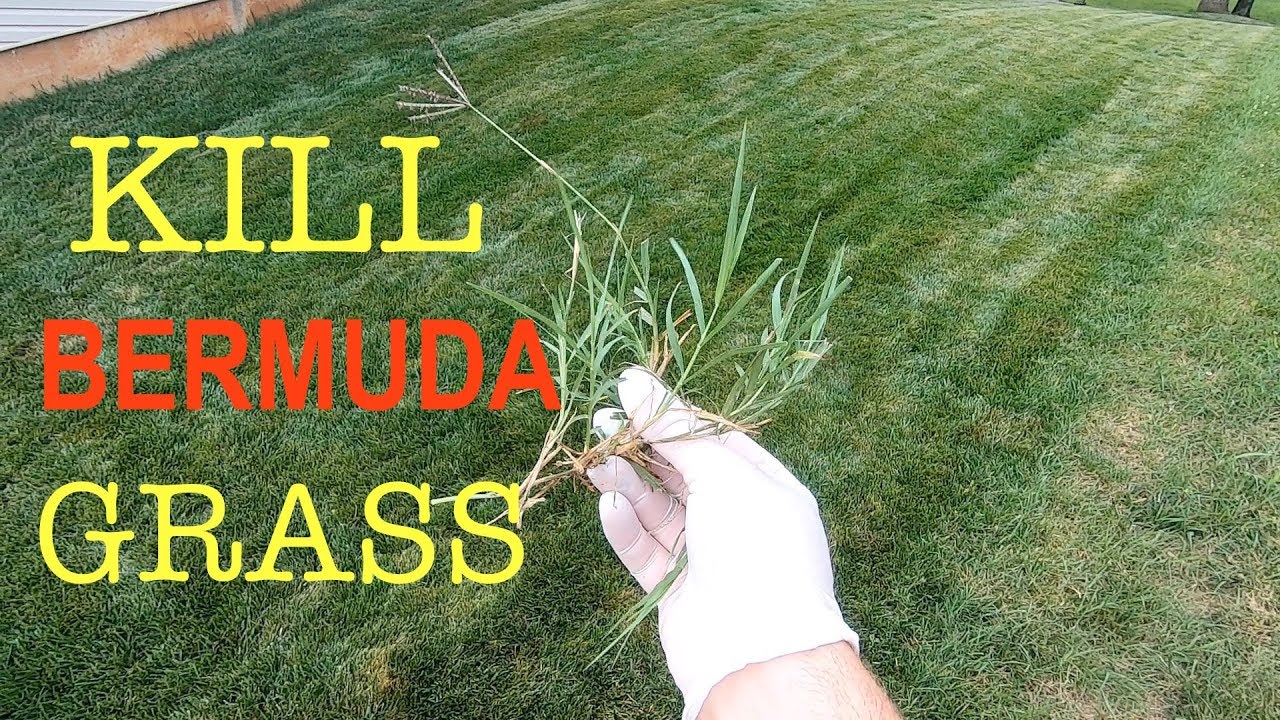
Manual removal is a simple and effective way to control Bermuda grass. Use a garden fork or hand trowel to dig out the grass roots. Pull out as much root as possible to prevent regrowth. Work when the soil is moist for easier removal. Clear all clumps of Bermuda grass to avoid spreading. This method requires time but protects your lawn’s health.
Using Natural Herbicides
Natural herbicides offer a safe way to target Bermuda grass. Vinegar or corn gluten meal can weaken Bermuda grass without killing other grass. Apply these natural solutions carefully on Bermuda patches only. Repeat treatments may be needed for full effect. These options are less toxic and better for your lawn and environment.
Promote Healthy Lawn Grass
Promoting healthy lawn grass helps fight Bermuda grass naturally. Strong, thick grass blocks Bermuda from growing. It also makes your lawn look green and fresh. Focus on growing good grass types and keeping your lawn well cared for. These steps make your lawn less friendly to weeds and Bermuda grass.
Best Grass Types To Plant
Choose grass types that grow well in your area. Kentucky bluegrass, fescue, and ryegrass work well in cooler climates. St. Augustine, zoysia, and centipede grass thrive in warmer places. These grasses grow dense and crowd out Bermuda grass. Planting the right grass gives your lawn a strong base.
Proper Lawn Maintenance Tips
Mow your lawn regularly but not too short. Set your mower blade high enough to keep grass healthy. Water deeply but less often to encourage deep roots. Fertilize your lawn with balanced nutrients in spring and fall. Remove weeds quickly to stop them from spreading. Aerate the soil yearly to improve air and water flow. These care habits help your grass grow thick and push Bermuda grass away.
Credit: www.organicgrowersschool.org
Prevent Bermuda Grass Regrowth
Stopping Bermuda grass from growing back is key to a healthy lawn. This grass spreads fast and can take over your yard. You must act right after removing it. Preventing regrowth saves time and effort in the long run. Keep your lawn clean and watch for new shoots. Use smart methods to block Bermuda grass from creeping back.
Regular Lawn Monitoring
Check your lawn often for signs of Bermuda grass. Look closely near flower beds, paths, and fences. Early spotting helps stop it before it spreads. Pull out any small Bermuda grass patches quickly. Regular checks keep the grass from returning strongly. Set a schedule to inspect your lawn each week. A little attention goes a long way.
Effective Barriers And Edging
Use physical barriers to block Bermuda grass runners. Plastic or metal edging can stop roots from crossing. Place barriers deep enough to block underground stems. Barriers work best along garden beds and walkways. This keeps Bermuda grass separate from other grass types. Edging also gives your lawn a neat, clean look. Maintain barriers regularly to keep them effective.
When To Seek Professional Help
Removing Bermuda grass without harming your lawn can be tricky. Sometimes, the problem needs more than just DIY methods. Knowing when to ask for professional help can save your grass and your time. Professionals have the tools and knowledge to handle tough grass problems safely and effectively.
Signs You Need Expert Assistance
Bermuda grass spreading fast and taking over your lawn is a clear sign. If your home remedies do not work after several tries, it is time to call experts. Patchy or dead spots growing while trying to remove Bermuda grass show damage. Professionals can stop the spread without hurting your other grass. Persistent weed growth despite regular care signals a complex problem that needs skills.
Choosing The Right Lawn Care Service
Select a lawn care service that knows how to handle Bermuda grass. Check if they use safe methods that protect your healthy grass. Look for services with good reviews and proven results. Ask if they offer a plan tailored to your lawn’s needs. A reliable service explains the process and answers your questions clearly. Trust is key for letting someone care for your lawn.
Frequently Asked Questions
How Can I Remove Bermuda Grass Without Harming Other Grass?
Use selective herbicides that target Bermuda grass. Apply carefully, following instructions. Spot-treat affected areas to protect surrounding grass.
What Natural Methods Help Control Bermuda Grass Growth?
Regular mowing, manual removal, and solarization limit Bermuda grass spread. Improve soil health and water deeply to strengthen desired grass.
Can Overseeding Help Reduce Bermuda Grass Invasion?
Yes, overseeding with competitive grass varieties crowds out Bermuda grass. It reduces its growth by limiting space and nutrients.
How Often Should I Treat Bermuda Grass For Best Results?
Treat Bermuda grass every 2-3 weeks during active growth. Consistent treatment ensures effective control without damaging other grasses.
Conclusion
Controlling Bermuda grass takes time and care. Use gentle methods to protect your lawn’s health. Regularly check your yard for new growth. Pull out Bermuda grass roots before they spread. Keep watering and feeding your grass well. Patience and consistency bring the best results.
Your lawn will stay green and strong. Small steps lead to a beautiful yard. Stay committed, and you will succeed.
