
Milorganite is a solid choice for Bermuda grass, providing steady, slow-release nutrients that promote healthy growth, deep roots, and improved drought resistance. It helps maintain a lush, green lawn without the risk of burning, making it a reliable option for year-round Bermuda grass care.
Are you wondering if Milorganite is the right choice for your Bermuda grass? You want a lush, green lawn that stands out, but choosing the right fertilizer can be confusing.
Milorganite is popular among gardeners, but does it really work well for Bermuda grass? You’ll discover the benefits and potential downsides of using Milorganite on your lawn. By the end, you’ll know exactly how to give your Bermuda grass the care it deserves—and whether Milorganite fits into your lawn care plan.
Keep reading to make the best choice for your yard!

Credit: www.youtube.com
Benefits Of Milorganite For Bermuda Grass
Milorganite offers several benefits for Bermuda grass. It provides steady nutrition that helps grass grow strong and healthy. This fertilizer improves the lawn’s look and soil quality. Regular use can keep Bermuda grass green and thick throughout the year.
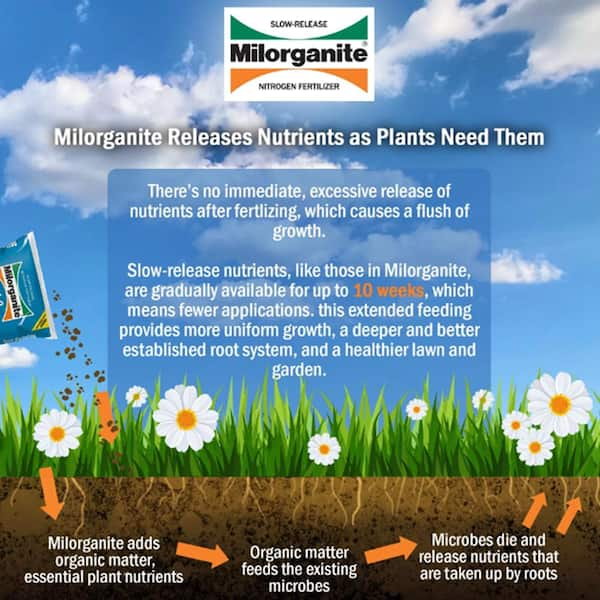
Its slow-release formula means nutrients feed the grass over time. This supports steady growth without sudden spikes. Milorganite also adds organic matter that helps soil stay rich and alive. These benefits make Milorganite a smart choice for Bermuda grass care.
Nutrient Profile Of Milorganite
Milorganite contains nitrogen, phosphorus, and potassium. Nitrogen helps Bermuda grass grow fast and green. Phosphorus supports root development and strong plants. Potassium improves disease resistance and stress tolerance. The slow-release nitrogen feeds grass for weeks. This steady supply avoids burning the grass.
Impact On Grass Color And Density
Milorganite makes Bermuda grass greener and thicker. The steady nitrogen boost enhances the rich green color. Over time, the lawn becomes denser with fewer bare patches. Dense grass crowds out weeds and looks healthier. The even nutrient release helps maintain uniform color.
Soil Health Improvements
Milorganite adds organic matter to the soil. This improves soil structure and moisture retention. Healthier soil supports beneficial microbes that break down nutrients. These microbes make nutrients easier for grass roots to absorb. The fertilizer also reduces thatch buildup, improving air and water flow.
How Milorganite Enhances Growth
Milorganite is a popular choice for feeding Bermuda grass. It helps the grass grow strong and healthy. The way Milorganite works supports steady growth over time. It is gentle on the grass but very effective. Understanding how it helps Bermuda grass can guide better lawn care.
Slow-release Nitrogen Effects
Milorganite contains nitrogen that releases slowly into the soil. This slow release feeds Bermuda grass steadily. It avoids sudden growth spurts that can stress the grass. The steady nitrogen supply keeps the grass green longer. It also reduces the chance of burning the lawn. This makes Milorganite safe and reliable for Bermuda grass.
Improved Root Development
The nutrients in Milorganite help Bermuda grass grow deep roots. Strong roots mean better water and nutrient absorption. Deep roots also make the grass more stable in the soil. This leads to a thicker and healthier lawn. Root growth is important for the grass to survive harsh conditions. Milorganite supports this process naturally and gently.
Resistance To Drought And Stress
Bermuda grass with Milorganite is better at handling dry spells. The slow-release nutrients help the grass stay green during droughts. Milorganite also supports the grass in recovering from stress. Stress can come from heat, foot traffic, or pests. With stronger roots and steady nutrition, Bermuda grass recovers faster. This makes the lawn more durable all year round.
Application Tips For Best Results
Applying Milorganite to Bermuda grass needs care for the best lawn health. Proper use helps the grass grow thick and green. Follow these tips to get the most from Milorganite.
Optimal Timing And Frequency
Apply Milorganite in early spring when grass starts growing. Repeat every six to eight weeks during the growing season. Avoid late fall applications to prevent excess growth before winter. Water the lawn after applying to help nutrients soak in.
Recommended Application Rates
Spread Milorganite at about 32 pounds per 1,000 square feet. This rate supports steady growth without overfeeding. Use a spreader for even coverage. Too much fertilizer can harm Bermuda grass, so measure carefully.
Combining With Other Lawn Care Practices
Combine Milorganite with regular mowing and watering. Keep grass height around 1 to 2 inches for best results. Aerate the soil once a year to improve nutrient absorption. Avoid using harsh chemicals near Milorganite-treated areas.
Potential Drawbacks To Consider
Milorganite is a popular fertilizer for Bermuda grass, but it has some drawbacks. Knowing these helps you decide if it fits your lawn care needs. Consider how these factors might affect your experience before choosing Milorganite.
Odor Concerns
Milorganite is made from treated sewage sludge. This can cause a noticeable smell after application. The odor usually fades in a few days but can bother some people. Applying it on calm, dry days helps reduce the smell.
Cost Compared To Other Fertilizers
Milorganite tends to cost more than regular synthetic fertilizers. Its slow-release nature means fewer applications, which can save money over time. Still, the upfront price may be higher for many gardeners.
Environmental Impact
Milorganite recycles nutrients from waste, which is good for the environment. But it may contain trace metals and contaminants. These can build up in soil over time. Testing your soil regularly can keep your lawn safe and healthy.
Comparing Milorganite With Other Fertilizers
Choosing the right fertilizer helps Bermuda grass grow thick and green. Milorganite is a popular option. Comparing it with other fertilizers shows its unique benefits and limits. This helps pick the best product for healthy grass.
Synthetic Vs Organic Options
Synthetic fertilizers are made from chemicals. They work fast and give quick results. Bermuda grass may green up in days. Yet, they can burn grass if used too much. These fertilizers may also harm soil life over time.
Milorganite is an organic fertilizer. It releases nutrients slowly. This helps grass grow steady and strong. It does not burn the lawn. Soil stays healthier with Milorganite. It feeds soil microbes that help grass roots.
Effectiveness On Bermuda Grass
Synthetic fertilizers feed Bermuda grass quickly. This suits lawns needing fast repair. But the effect fades faster. Milorganite works slower but lasts longer. It keeps Bermuda grass green for weeks. It also improves soil quality and water retention. This supports Bermuda grass during dry times.
Long-term Lawn Health
Synthetic fertilizers can harm soil in the long run. They may cause nutrient imbalance. This weakens Bermuda grass over years. Milorganite builds soil health naturally. It adds organic matter and nutrients. Soil becomes richer and better at holding water. This helps Bermuda grass grow thicker and resist stress.
Credit: www.homedepot.com
User Experiences And Results
Many lawn owners have tried Milorganite on Bermuda grass and shared their experiences. Their results show how this fertilizer affects grass health and growth over time.
These real-world stories help others decide if Milorganite fits their lawn care routine. Some users report lush, green grass after regular use. Others face certain challenges that can affect results.
Success Stories
Several users noticed thicker Bermuda grass after a few weeks. The slow-release nitrogen helped the grass grow evenly. Many appreciated how Milorganite improved soil health slowly but steadily. Some lawns stayed green longer during hot seasons. The organic matter also attracted earthworms, which improved soil quality.
Common Challenges
Some users said Milorganite did not work fast enough for their needs. They expected quicker green-up in early spring but felt results were slow. Over-application caused some yellowing or patchy grass in a few cases. Others found the fertilizer smell unpleasant at first. Applying too much too often led to minor lawn stress.
Expert Recommendations
Experts suggest using Milorganite as part of a balanced fertilizer plan. They recommend applying it every 6 to 8 weeks during growing season. Proper watering helps release nutrients effectively. Experts warn against heavy use in shaded areas or on weak soil. They suggest combining Milorganite with other lawn care steps for best results.

Credit: www.youtube.com
Frequently Asked Questions
Is Milorganite Safe For Bermuda Grass?
Yes, Milorganite is safe for Bermuda grass. It provides slow-release nitrogen that promotes steady growth without burning the grass.
How Often Should I Apply Milorganite On Bermuda Grass?
Apply Milorganite every 6 to 8 weeks during the growing season. This maintains healthy growth and vibrant green color for Bermuda grass.
Does Milorganite Improve Soil Quality For Bermuda Grass?
Milorganite enhances soil fertility by adding organic matter and nutrients. It improves soil structure, moisture retention, and supports beneficial microbes.
Can Milorganite Control Weeds In Bermuda Grass?
Milorganite is not a weed killer. It nourishes Bermuda grass, helping it outcompete weeds naturally but does not directly control weed growth.
Conclusion
Milorganite helps Bermuda grass grow strong and green. It provides steady nutrients that last for weeks. This fertilizer improves soil health and supports root growth. Using Milorganite means fewer chemicals and safer grass. Regular feeding keeps your lawn lush and healthy.
Choose Milorganite for a natural, easy lawn care option. Your Bermuda grass will thank you with vibrant color. Simple care leads to great results. Try Milorganite and see the difference yourself.
