
Zoysia grass can take over Bermuda in certain conditions, especially in shaded or drought-prone areas where Zoysia’s slower growth and shade tolerance give it an edge. However, Bermuda’s rapid spreading usually dominates open, sunny spots. Your lawn’s environment and care routine ultimately determine which grass will prevail.
Are you wondering if Zoysia grass could take over your Bermuda lawn? You’re not alone.
Many homeowners face the challenge of keeping their grass healthy and looking great year-round. Understanding how these two popular grasses grow and compete can help you make the best choice for your yard. You’ll discover what happens when Zoysia and Bermuda come face to face—and what it means for your lawn care routine.
Keep reading to find out which grass might win the battle and how you can stay in control.

Credit: www.youtube.com
Zoysia And Bermuda Basics
Zoysia and Bermuda grasses are popular choices for lawns and sports fields. Both types have unique traits that affect their growth and care. Knowing their basics helps you understand how they might compete or coexist in your yard.
This section covers their growth habits, climate preferences, and soil needs. These factors shape how each grass spreads and survives.
Growth Habits Compared
Zoysia grass grows slowly but forms a thick, dense lawn. It spreads using both above-ground runners and underground stems.
Bermuda grass grows fast and spreads aggressively through runners and underground rhizomes. It can quickly cover large areas.
Zoysia is better at crowding out weeds due to its dense growth. Bermuda can recover quickly from damage.
Climate Preferences
Zoysia thrives in warm climates but tolerates cooler temperatures better than Bermuda. It stays green longer in mild winters.
Bermuda prefers hot, sunny weather and does well in summer heat. It struggles in cold or shaded areas.
Zoysia can handle some shade and drought better than Bermuda, which needs full sun and regular watering.
Soil Requirements
Zoysia grows well in sandy and clay soils with good drainage. It adapts to different soil types but prefers slightly acidic to neutral pH.
Bermuda prefers well-drained, fertile soils and can tolerate low pH better than Zoysia. It struggles in heavy clay or poorly drained areas.
Both grasses need moderate fertilization to maintain healthy growth and color.
Competition Dynamics
Zoysia grass and Bermuda grass compete strongly in many lawns and fields. Their ability to spread, survive shade, and resist drought shapes which one thrives. Understanding these factors helps predict if Zoysia will take over Bermuda.
Each grass has unique traits. These traits decide how they fight for space, sunlight, and water. Let’s explore how they compare.
Spreading Speed
Bermuda grass spreads very fast through runners and seeds. It quickly covers bare spots and fills gaps. Zoysia spreads slower because it grows in thick clumps. This slower growth means Bermuda usually wins open areas first. Zoysia takes time to fill in.
Shade Tolerance
Zoysia grass handles shade better than Bermuda. It stays green and healthy under trees or buildings. Bermuda needs full sun to grow well. In shaded yards, Zoysia often outgrows Bermuda. Shade limits Bermuda’s growth and weakens it.
Drought Resistance
Zoysia tolerates drought by growing deep roots. It uses water more efficiently and stays green longer. Bermuda also survives drought but loses green color faster. In dry conditions, Zoysia may hold its ground better. This helps it compete during dry seasons.
Maintenance Differences
Understanding the maintenance differences between Zoysia grass and Bermuda grass is essential. Each grass type needs unique care. Knowing these can help decide which grass suits your lawn best. Maintenance affects the health and look of your grass. It also impacts the time and money spent on lawn care.
Mowing Needs
Zoysia grass grows slower than Bermuda grass. It needs less frequent mowing. Zoysia prefers a higher cut, about 1 to 2 inches tall. Bermuda grass grows fast and needs mowing every 5 to 7 days. It is best kept shorter, around 0.5 to 1.5 inches. Mowing height affects grass health and thickness.
Fertilization Patterns
Zoysia grass requires less fertilizer than Bermuda. It grows well with moderate feeding. Fertilize Zoysia two to three times a year. Bermuda grass needs more frequent feeding. It benefits from four to six fertilizer applications annually. Proper fertilization keeps grass green and strong.
Pest And Disease Resistance
Zoysia grass shows good resistance to pests and diseases. It handles stress better than Bermuda. Bermuda grass can suffer from more pest attacks and fungal diseases. Regular monitoring is important for both grasses. Choosing resistant grass reduces pesticide use and lawn damage.
Aesthetic Appeal
Zoysia grass and Bermuda grass both offer unique looks for lawns. The aesthetic appeal of these grasses affects many homeowners’ choices. Zoysia has gained attention for its beauty and texture. It may change how lawns look in areas where Bermuda once dominated.
Understanding the color and texture of Zoysia helps explain its growing popularity. Also, its seasonal appearance adds to its charm. These factors play a role in whether Zoysia will take over Bermuda grass.
Color And Texture
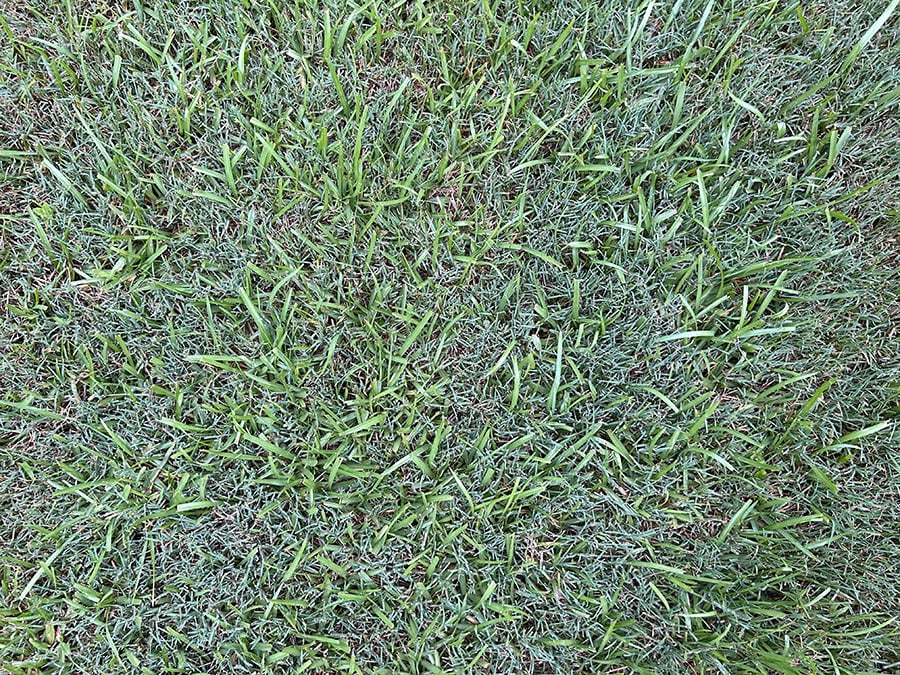
Zoysia grass has a rich green color that many find attractive. Its blades are finer and softer than Bermuda grass. This creates a plush, carpet-like feel underfoot. The denser growth gives lawns a fuller, more uniform look. Zoysia’s texture invites people to walk barefoot. It also hides dirt and small imperfections better than Bermuda.
Seasonal Appearance
Zoysia grass changes with the seasons but stays visually appealing. It turns brown in winter but greens up quickly in spring. Bermuda grass also browns in cooler months but grows faster in heat. Zoysia recovers well from dormancy and stays thick. This slow, steady growth keeps lawns looking neat longer. Homeowners appreciate the smooth transition between seasons with Zoysia.
Environmental Impact
The environmental impact of Zoysia grass taking over Bermuda grass is a key concern. Understanding how each grass affects nature helps in making wise choices for lawns and landscapes. Both grasses have different needs and effects on the local ecosystem.
Water Usage
Zoysia grass uses less water than Bermuda grass. It stays green longer with less irrigation. This can save water in dry areas. Less water use helps reduce stress on local water supplies. Choosing Zoysia can lead to a more sustainable lawn.
Soil Health Effects
Zoysia grass grows slowly and forms a dense mat. This helps protect soil from erosion. It also improves soil quality by adding organic matter. Bermuda grass grows faster but can cause soil to dry out. Zoysia’s thick roots support better soil structure and health.

Credit: www.reddit.com
Lawn Care Tips
Taking care of your lawn helps it stay green and healthy all year. Good lawn care keeps the grass strong against heat and drought. It also stops weeds and pests from spreading. Simple steps can improve your lawn’s look and health.
Different grasses need different care. Knowing the right care for each type helps your lawn grow better. This is important if you have both Zoysia and Bermuda grass together.
Choosing The Right Grass
Pick grass that matches your climate and soil type. Zoysia grass grows well in warm, sunny places. Bermuda grass also likes heat but spreads faster. Choose one that fits your lawn’s needs and your care routine.
Think about how much time you can spend mowing and watering. Zoysia needs less water but grows slower. Bermuda needs more water but fills in bare spots fast. Choose based on your lifestyle and lawn goals.
Managing Mixed Lawns
Mixed lawns with Zoysia and Bermuda need careful care. Mow the lawn often to keep grass even. Use a sharp mower blade to avoid damage. Water deeply but not too often to encourage strong roots.
Watch for weeds and pests. They can harm one type more than the other. Use lawn treatments that work for both grasses. Regularly check the lawn and fix problems quickly to keep it healthy.
Credit: info.supersod.com
Frequently Asked Questions
Will Zoysia Grass Outcompete Bermuda Grass?
Zoysia grass grows slower but is denser than Bermuda. It can gradually overtake Bermuda in shaded or less-maintained areas but not quickly. Proper lawn care influences which grass dominates your yard.
Can Zoysia Grass Survive Better Than Bermuda?
Zoysia tolerates shade and drought better than Bermuda. It thrives in less sunny spots and requires less frequent mowing. However, Bermuda recovers faster from damage and prefers full sun.
How To Prevent Zoysia From Overtaking Bermuda?
Regular mowing and proper fertilization help control Zoysia spread. Applying herbicides targeted at Zoysia can also limit its growth. Maintaining lawn health encourages Bermuda to stay dominant.
Does Zoysia Require Different Care Than Bermuda?
Yes, Zoysia needs less water and mowing but more shade. Bermuda prefers more sun and frequent cutting. Adjust care routines depending on the dominant grass type for best results.
Conclusion
Zoysia grass grows slower but spreads thick and strong. Bermuda grass grows fast and loves warm weather. Both have their strengths and suit different lawn needs. Choosing between them depends on your climate and lawn care habits. Zoysia may take over in cooler areas with patience.
Bermuda stays better in hot, sunny places. Think about your yard’s conditions before deciding. Both grasses can make a healthy, green lawn. The best choice fits your environment and time for care.
