
Are you wondering if Zoysia grass spreads and how it might affect your lawn? Understanding how this popular grass grows can help you decide if it’s the right choice for your yard.
Whether you want a lush, green carpet or worry about unwanted spreading, knowing the truth about Zoysia grass will give you control over your lawn’s look and health. Keep reading to discover how Zoysia grass spreads and what that means for your outdoor space.

Credit: www.zoysiaplug.com
Zoysia Grass Growth Habits
Zoysia grass is known for its unique growth habits. It grows thick and dense, creating a lush green lawn. This grass spreads slowly but surely, filling in bare spots over time. Its growth pattern makes it a popular choice for many homeowners. Understanding how Zoysia grass grows helps with proper lawn care and maintenance.
Types Of Zoysia Grass
There are several types of Zoysia grass. Common types include Zoysia japonica, Zoysia matrella, and Zoysia tenuifolia. Each type has different leaf textures and colors. Zoysia japonica is coarse and grows faster. Zoysia matrella has finer blades and spreads well. Zoysia tenuifolia is soft and dense but grows slower. Choosing the right type depends on climate and lawn use.
Growth Rate And Patterns
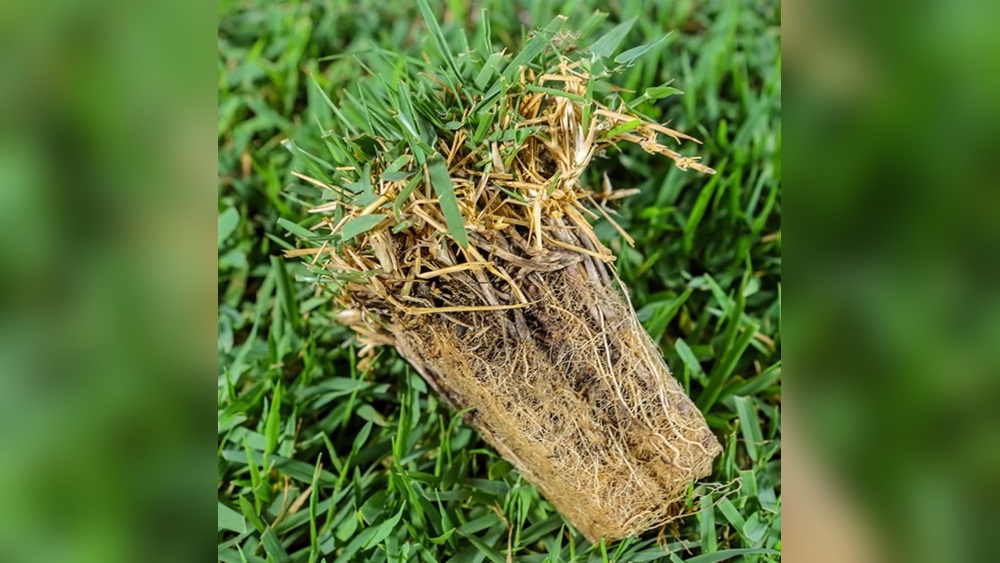
Zoysia grass grows slowly compared to other grasses. It spreads using stolons and rhizomes, which are stems that run above and below the soil. This helps the grass fill in gaps and create a thick mat. The grass spreads outward from the center. It takes time to cover large areas, but once established, it resists weeds well. Regular mowing helps keep the grass healthy and encourages spreading.

Credit: www.whygoodnature.com
Spreading Mechanisms
Zoysia grass spreads naturally to cover lawns and garden areas. Its growth relies on special parts of the plant that help it expand underground and above ground. These parts allow Zoysia grass to create a thick, green carpet over time. Understanding how Zoysia spreads helps gardeners care for it better.
Rhizomes And Stolons
Zoysia grass spreads mostly through rhizomes and stolons. Rhizomes grow underground and push new shoots up. Stolons run along the soil surface and send out roots and shoots. Both rhizomes and stolons work together to fill empty spaces. This makes Zoysia grass dense and strong against weeds.
Seed Vs. Vegetative Spread
Zoysia grass rarely spreads by seed. Seeds take a long time to grow into full lawns. Most lawns grow from vegetative spread, using rhizomes and stolons. Vegetative spread is faster and more reliable. It creates uniform grass with fewer bare spots. For quick lawn growth, vegetative methods are better than seeds.
Factors Influencing Spread
Zoysia grass spreads through runners and roots, but several factors affect how well it grows. Understanding these factors helps in creating a lush, green lawn. Each condition plays a key role in how fast and wide Zoysia can spread.
Soil Conditions
Zoysia grass prefers well-drained soil with a pH between 6 and 7.5. Sandy or loamy soil types work best for spreading. Heavy clay soil may slow growth and cause patchy areas. Proper soil nutrients help the grass establish strong roots. Soil that is too compacted limits root expansion and runner growth.
Climate And Temperature
Zoysia thrives in warm climates with temperatures between 80 and 95°F. It grows slowly in cooler weather and may go dormant in cold winters. High heat and humidity encourage faster spread. The grass struggles in extremely cold or very wet conditions. Choosing the right Zoysia variety for your climate improves spread success.
Watering And Maintenance
Regular watering keeps Zoysia healthy and promotes spreading runners. Water deeply but infrequently to encourage strong roots. Overwatering can cause disease and slow growth. Mowing at the right height helps grass spread evenly. Removing weeds and aerating soil also support healthy expansion.

Credit: www.zoysiaplug.com
Planting Strategies For Coverage
Zoysia grass spreads slowly but firmly, creating thick, green coverage over time. To achieve full coverage quickly, choosing the right planting method is important. Good strategies help the grass fill in bare spots and prevent weeds.
Understanding how to plant Zoysia grass improves the lawn’s look and health. The right steps lead to even growth and a soft, green carpet.
Sodding Vs. Seeding
Sodding offers instant green coverage. It lays down thick grass patches that connect fast. This method costs more but saves time. Sodding is ideal for quick lawn repair or new lawns.
Seeding takes longer. It needs careful watering and patience. Seeds spread slowly and may leave bare spots at first. Seeding is cheaper and lets you cover large areas easily.
Spacing And Density Tips
Plant Zoysia grass with proper spacing to promote spreading. Place sod pieces tightly without gaps. This helps roots join and grow together.
For seeds, spread them evenly and avoid crowding. Thin layers help each seed get enough sunlight and water. Dense planting encourages a thick lawn that stops weeds.
Managing Zoysia Spread
Zoysia grass is known for its ability to spread and fill in lawn areas. Managing this spread helps keep your yard neat and healthy. Controlling growth ensures the grass does not take over unwanted spaces. Encouraging healthy expansion helps create a lush, green lawn.
Controlling Unwanted Growth
Zoysia grass spreads through rhizomes and stolons. These underground and surface runners can reach new areas quickly. Use physical barriers like edging to stop runners from moving beyond your lawn. Regular mowing also helps limit the grass from growing too long and spreading fast. Pull out or trim runners that invade flower beds or walkways. Proper watering and fertilizing reduce stress that causes aggressive spreading.
Encouraging Healthy Expansion
Encourage Zoysia to spread in desired areas by maintaining good soil health. Aerate the soil to improve root growth and water absorption. Apply balanced fertilizer to support steady growth. Water deeply but less often to promote strong roots. Overseeding thin spots helps fill bare patches quickly. Keep the grass at the right height with regular mowing. Healthy grass spreads naturally and creates a thick, green lawn.
Common Challenges
Zoysia grass is popular for its dense, lush green look. It spreads slowly by runners and stolons. Despite its beauty, maintaining Zoysia grass comes with common challenges. These problems can affect its growth and appearance. Knowing these issues helps you care better for your lawn.
Weeds And Pests
Weeds compete with Zoysia grass for nutrients and water. They can quickly take over thin or weak spots. Controlling weeds is important to keep your lawn healthy. Pests like grubs and armyworms also cause damage. They feed on grass roots and blades. This weakens the grass and creates brown patches. Regular inspection helps catch pests early. Treating the lawn promptly stops pests from spreading.
Disease Issues
Zoysia grass can suffer from fungal diseases. Brown patch and dollar spot are common problems. These diseases create dead or discolored spots on the lawn. Poor drainage and overwatering increase disease risk. High humidity also encourages fungal growth. Removing thatch and improving airflow reduce disease chances. Using fungicides may be necessary in severe cases. Healthy lawn care practices prevent most diseases.
Best Practices For Lush Lawns
Creating a lush lawn with Zoysia grass takes care and attention. The right steps help the grass spread thick and green. Knowing how to mow and feed your lawn makes a big difference.
Mowing Techniques
Cut Zoysia grass often to keep it healthy. Set the mower blade high, about 1 to 2 inches. This height helps the grass stay strong and green. Avoid cutting more than one-third of the grass blade at once. Sharp mower blades give a clean cut and reduce stress on the grass. Mow regularly, especially during the growing season, for best results.
Fertilization Schedules
Feed Zoysia grass with fertilizer to boost growth. Use a balanced fertilizer with nitrogen, phosphorus, and potassium. Apply fertilizer in spring when the grass starts growing. A second feeding in summer helps maintain color and thickness. Avoid too much fertilizer to prevent burning the grass. Follow the product instructions for the right amount and timing.
Frequently Asked Questions
Does Zoysia Grass Spread Quickly?
Yes, Zoysia grass spreads moderately fast through stolons and rhizomes. It forms a dense, lush lawn over time. This makes it ideal for filling bare spots naturally.
How Does Zoysia Grass Spread?
Zoysia spreads via above-ground stolons and underground rhizomes. These runners extend horizontally and root at nodes. This growth pattern helps Zoysia cover soil evenly.
Can Zoysia Grass Invade Nearby Plants?
Zoysia can invade nearby garden beds if left unchecked. Its aggressive spreading may crowd out other plants. Regular edging and maintenance help control its spread.
Is Zoysia Grass Suitable For Large Lawns?
Yes, Zoysia is excellent for large lawns due to its spreading nature. It forms a thick, durable turf that resists weeds and foot traffic well.
Conclusion
Zoysia grass spreads slowly but steadily through runners and rhizomes. This helps fill bare spots and create a thick lawn. It needs proper care, like watering and mowing, to spread well. Over time, it forms a dense, green carpet that resists weeds.
Patience is key with Zoysia grass growth. With regular attention, your lawn will look lush and healthy. Choose Zoysia if you want a durable and attractive grass type. Its spreading nature makes it a smart choice for many yards.
