

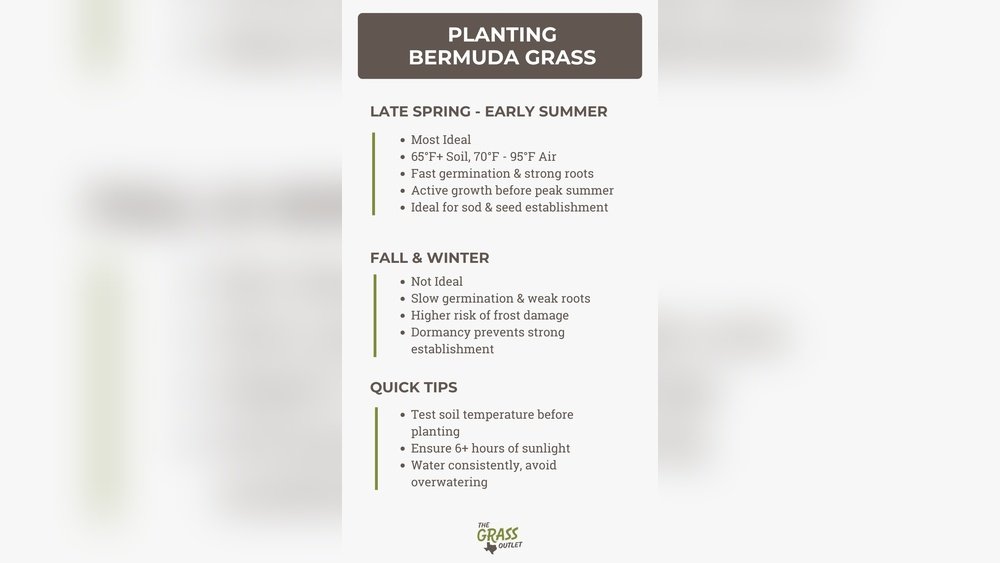
The best time to spread Bermuda grass seed is late spring to early summer when soil temperatures reach between 65°F and 75°F. This warm period encourages quick germination and strong growth, setting the stage for a healthy, dense lawn throughout the season. Avoid planting in cooler or colder months.
Are you ready to transform your lawn with lush, green Bermuda grass? Knowing exactly when to spread Bermuda grass seed can make all the difference between a patchy yard and a thick, healthy lawn.
If you want to get the best results and avoid common mistakes, this guide is for you. Keep reading to discover the perfect timing that will give your grass the strong start it needs to thrive all season long. Your dream lawn is closer than you think!
Best Time To Plant Bermuda Grass
Choosing the best time to plant Bermuda grass seed is key for a healthy lawn. Planting at the right time helps the grass grow strong and green. Plant too early or too late, and the seed may not sprout well. Understanding the best temperature, season, and soil conditions can improve your success.
Ideal Temperature Range
Bermuda grass grows best when soil temperatures are between 65°F and 75°F. Warmer soil helps seeds germinate quickly. Planting in cooler soil slows growth and can cause the seed to rot. Check soil temperature with a thermometer before planting.
Seasonal Considerations
Late spring to early summer is the best time to plant Bermuda grass seed. The soil is warm, and days are longer. Avoid planting in fall or winter because cold slows growth. Summer heat also helps the grass establish faster.
Soil Conditions For Seeding
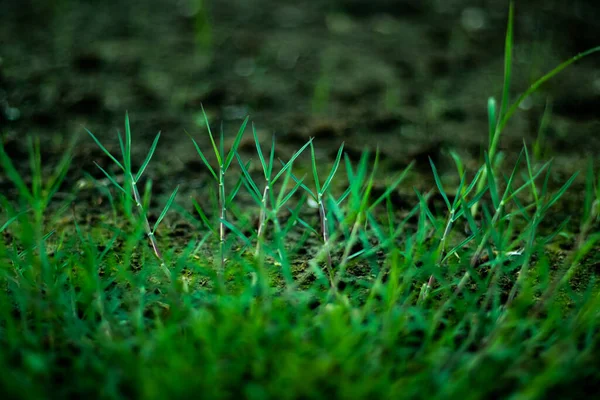
Well-drained soil is important for Bermuda grass seeds. The soil should be loose and free of clumps. Avoid heavy clay or waterlogged areas. Preparing the soil by tilling and adding compost improves seed contact and growth.
Credit: theturfgrassgroup.com
Preparing Your Lawn For Seeding
Preparing your lawn before spreading Bermuda grass seed is essential. This step sets the stage for healthy growth and a thick, green lawn. Proper preparation improves seed contact with soil and ensures better germination. Follow these key tasks to get your lawn ready for seeding.
Clearing Existing Vegetation
Remove old grass, weeds, and debris from the area. Use a rake or lawn mower to clear the surface. This allows the new seeds to reach the soil easily. Clearing also reduces competition for nutrients and water. A clean area helps Bermuda grass establish faster and stronger.
Soil Testing And Amendments
Test your soil to check pH and nutrient levels. Bermuda grass prefers a pH between 5.8 and 7.0. Add lime or sulfur to adjust the pH if needed. Apply fertilizer based on soil test results. Healthy soil boosts seed growth and root development.
Leveling And Aerating The Soil
Level the lawn to avoid water pooling and uneven growth. Use a rake or lawn roller for smoothing. Aerate the soil to improve air, water, and nutrient flow. Aeration breaks hard soil and helps seeds grow deep roots. These steps create the best environment for new Bermuda grass.
Choosing The Right Bermuda Grass Seed
Picking the right Bermuda grass seed is key for a healthy lawn. Different seeds suit different climates and soil types. Good seed choices help the grass grow strong and stay green.
Pay close attention to seed type, quality, and source. These factors affect how well the grass will grow and resist weeds or pests. The right seed makes planting easier and results better.
Seed Varieties
Bermuda grass comes in many varieties. Some types grow faster. Others handle heat and drought better. Choose a variety that fits your climate and lawn use. For shady areas, pick a shade-tolerant variety. For heavy foot traffic, select a tougher type.
Seed Quality And Purity
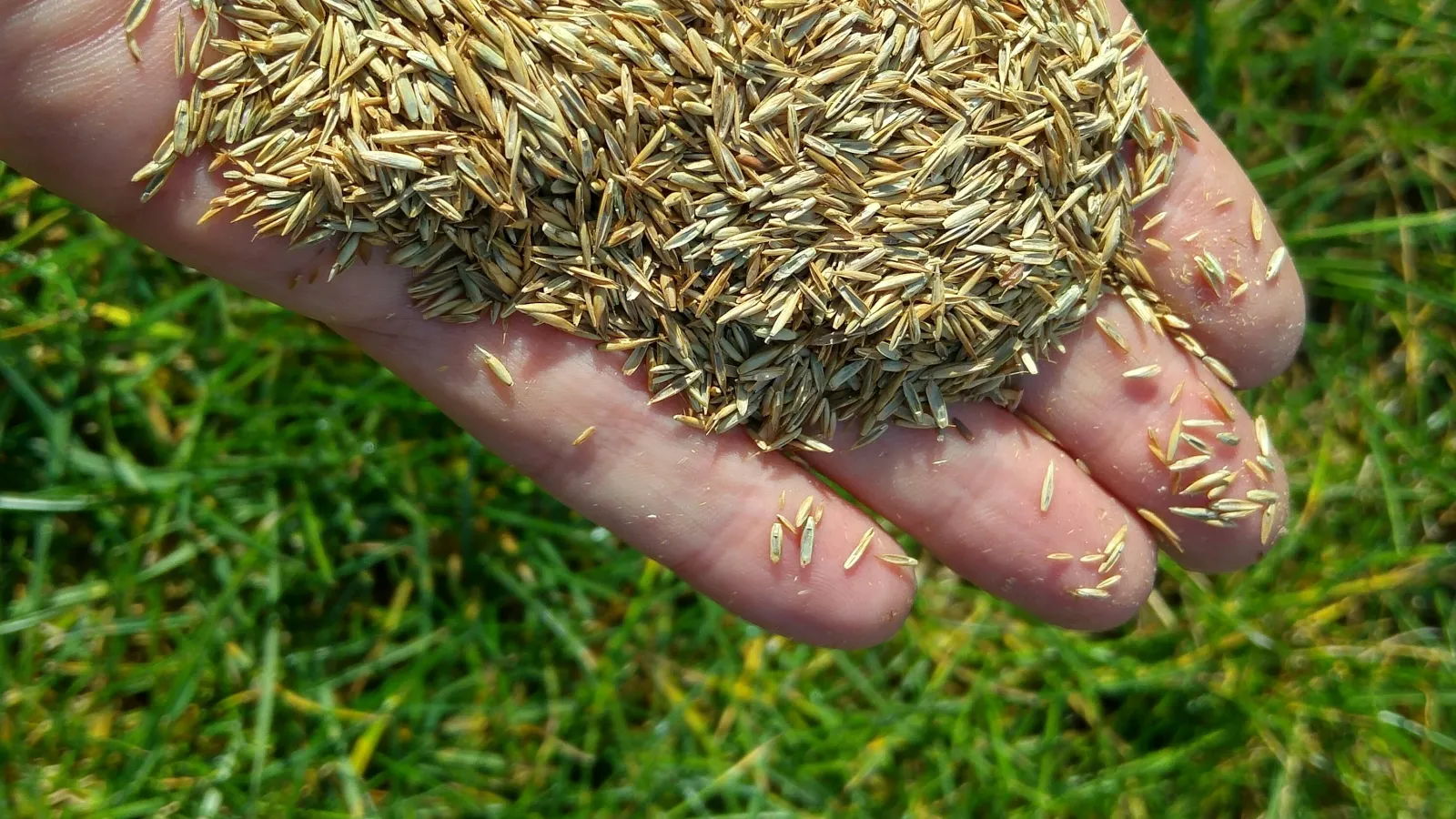
High-quality seed has more pure Bermuda grass and fewer weeds. Check the seed label for purity and germination rates. Seeds with high germination rates grow more grass quickly. Avoid seeds with dirt, weed seeds, or other fillers.
Certified Seed Sources
Buy seeds from certified sources to ensure quality. Certified seeds meet strict standards for purity and health. They are tested to be free from diseases. This reduces risks and improves lawn success. Trusted sellers often provide this certification information.
Credit: turfmasterslawncare.com
Seeding Techniques For Optimal Growth
Seeding Bermuda grass correctly helps it grow strong and healthy. Choosing the right technique affects how well the seeds take root and spread. This section explains simple seeding methods to get the best results.
Paying attention to seed placement, amount, and watering improves growth. Follow these steps to give your Bermuda grass the best start.
Broadcasting Vs. Drilling
Broadcasting spreads seeds evenly over the soil surface. It is easy and fast for large areas. Seeds lie on top and need good soil contact to grow.
Drilling plants seeds in rows at a set depth. This method protects seeds from birds and wind. It helps seeds stay moist and grow better. Drilling is best for small or uneven areas.
Seed Rate And Depth
Use the right seed amount for good coverage. Too few seeds leave bare spots. Too many seeds waste money and cause crowding.
Plant Bermuda seeds shallow, about 1/4 inch deep. Deep planting stops seeds from sprouting well. Keep seeds just under the soil surface.
Watering After Seeding
Water lightly but often to keep soil moist. Do not soak seeds or they may rot. Use a fine spray to avoid washing seeds away.
Water twice a day until grass sprouts, then reduce frequency. Proper watering helps roots grow deep and strong.
Post-seeding Lawn Care
After spreading Bermuda grass seed, proper care helps young grass grow strong. This care supports seed germination and root development. It also protects the lawn from stress and weeds. Follow these simple steps to keep your new grass healthy.
Watering Schedule
Water the seeded area lightly but often. Keep the soil moist without soaking it. Water two to three times daily for the first two weeks. Reduce frequency as the grass grows. Deep watering helps roots grow deeper later.
Fertilizing Tips
Use a starter fertilizer high in phosphorus to aid root growth. Apply fertilizer about four weeks after seeding. Avoid over-fertilizing; it can harm young grass. Follow product instructions carefully for the best results.
Weed Control Methods
Remove weeds by hand to avoid chemicals on new grass. Avoid using herbicides until grass is well established. Healthy grass naturally limits weed growth. Keep mowing regularly to prevent weeds from spreading.
Credit: www.sare.org
Common Challenges And Solutions
Growing Bermuda grass can be tricky. Many gardeners face problems like uneven patches, bugs, and weather issues. Knowing how to handle these common challenges helps your lawn stay healthy and green. Here are some simple solutions.
Dealing With Patchy Growth
Patchy growth is a common problem. It happens when seeds do not sprout evenly. To fix this, rake the soil well before planting. Water the area gently but regularly. Avoid heavy foot traffic on new grass. Add extra seed to bare spots after a few weeks.
Pest And Disease Prevention
Bugs and diseases can harm Bermuda grass. Watch for signs like yellow spots or holes in leaves. Use natural pest control methods, such as neem oil or insecticidal soap. Keep the lawn clean by removing dead grass. Mow at the right height to reduce disease risk.
Adjusting For Weather Variations
Weather changes affect grass growth. During hot, dry spells, water your lawn deeply but less often. In cooler, wet weather, reduce watering to prevent root rot. Plant seeds in early spring or late summer for best results. Monitor weather forecasts to plan care accordingly.
Frequently Asked Questions
When Is The Best Time To Spread Bermuda Grass Seed?
The best time to spread Bermuda grass seed is late spring to early summer. Soil temperatures should be above 65°F for optimal germination. This timing helps the seed establish well before cooler weather arrives.
Can I Spread Bermuda Grass Seed In Fall?
Spreading Bermuda grass seed in fall is not ideal. Cooler soil and air temperatures slow germination. Seedlings may not establish properly before winter, risking damage or death from frost.
How Long Does Bermuda Grass Seed Take To Germinate?
Bermuda grass seed typically germinates within 7 to 21 days. Warm soil temperatures speed up the process. Proper watering and soil preparation also help ensure quick and successful germination.
Do I Need To Prepare Soil Before Seeding Bermuda Grass?
Yes, soil preparation is essential before seeding Bermuda grass. Remove weeds, loosen the soil, and level the area. This improves seed-to-soil contact and promotes healthy root growth.
Conclusion
Spreading Bermuda grass seed at the right time is key to success. Plant seeds when the soil warms up in late spring or early summer. This helps the grass grow strong and healthy. Avoid planting too early or too late to prevent poor growth.
Water the seeds gently and keep soil moist for best results. With patience and care, your lawn will fill in nicely. Timing matters. Healthy grass starts with good planning.
