

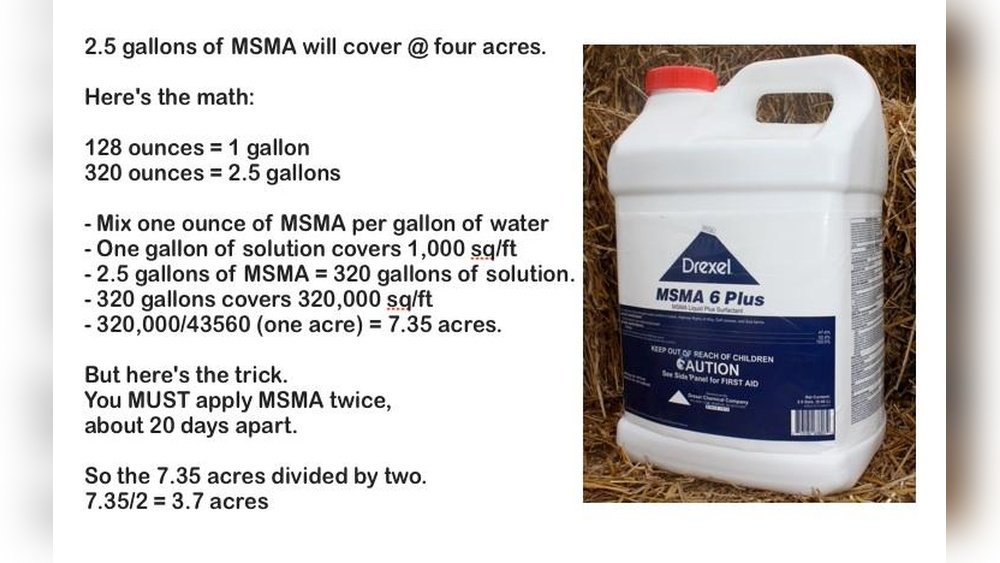
MSMA can kill Bermuda grass, but it’s not always the most effective or recommended option. While it targets grassy weeds, Bermuda grass is tough and often requires repeated applications or alternative methods for full control. Proper use and timing are crucial to avoid damaging desirable lawn areas.
Are you struggling to get rid of stubborn Bermuda grass invading your lawn? You might have heard about MSMA as a possible solution, but does MSMA really kill Bermuda grass effectively?
Before you spend your time and money, it’s important to know how this herbicide works and if it’s the right choice for your yard. You’ll discover the truth about MSMA and its impact on Bermuda grass, helping you make the best decision to keep your lawn healthy and weed-free.
Keep reading to find out what you need to know!
What Is Msma
MSMA is a type of herbicide used to control grassy weeds. It works by targeting specific grass species. Many wonder if MSMA can kill Bermuda grass effectively.
What Is Msma?
MSMA stands for Monosodium Methanearsonate. It is a type of herbicide used to control weeds and unwanted grasses. Farmers and lawn care professionals often use MSMA to manage tough grass types that other products cannot easily kill.
This chemical works by disrupting the plants’ ability to grow and survive. It targets the grass at the root level, causing it to die off over time. MSMA is especially known for its use on certain types of turf and agricultural crops.
How Does Msma Work?
MSMA enters the grass through leaves and roots. It then moves inside the plant, affecting its internal systems. The chemical prevents the grass from producing energy, which leads to its death.
It works best on grassy weeds, including some types that are hard to control. The effect usually appears within a few days after application. The treated grass will turn yellow and then brown as it dies.
Is Msma Safe To Use?
MSMA has been used for many years with specific safety guidelines. Users must follow label instructions carefully. Overuse or misuse can harm the environment or other plants.
Protective gear is recommended when applying MSMA. Avoid using it near water sources to prevent contamination. Responsible use ensures better results and safety.
Bermuda Grass Characteristics
Bermuda grass is a popular choice for lawns and sports fields. It grows fast and spreads quickly. This grass stays green in warm weather and can handle heavy use. It has a coarse texture and a deep green color. Bermuda grass also tolerates drought well. It thrives in sunny areas but struggles in shade.
This grass spreads using runners and underground stems. It forms a dense mat that blocks weeds. Bermuda grass can survive tough conditions, such as heat and poor soil. It needs regular mowing to keep it healthy. Without care, it can become invasive and hard to control.
Bermuda Grass Growth Pattern
Bermuda grass spreads by above-ground runners called stolons. It also grows underground stems called rhizomes. These help it cover large areas fast. The grass grows low to the ground. It forms a thick, carpet-like surface that is tough to remove.
Bermuda Grass Texture And Color
The leaves of Bermuda grass are narrow and rough. The color is a bright to dark green. This grass looks healthy when properly watered. Its coarse texture makes it stand out from finer grasses. The dense growth gives lawns a lush look.
Bermuda Grass Climate Adaptation
Bermuda grass does well in warm climates. It grows best in temperatures above 75°F. The grass can survive dry spells by going dormant. It does not grow well in cold or shaded areas. Full sun helps Bermuda grass stay green and thick.
Msma’s Effect On Bermuda Grass
MSMA is a herbicide used to control certain weeds in lawns and fields. It targets grassy weeds like crabgrass and goosegrass. Many gardeners wonder if MSMA can kill Bermuda grass, a common lawn grass. Understanding how MSMA works helps explain its effect on Bermuda grass.
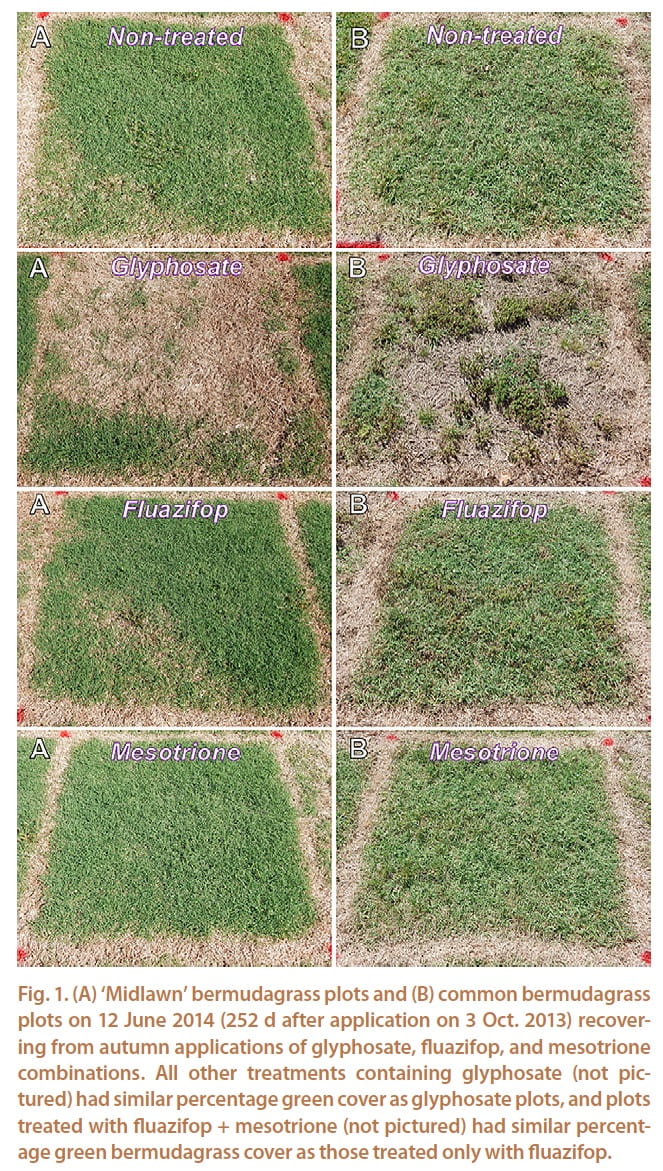
Bermuda grass is tough and spreads fast. MSMA may damage it but usually does not kill it completely. The results depend on how MSMA is applied and the grass’s condition.
How Msma Works
MSMA works by disrupting the weed’s energy production. It enters the plant through leaves and moves inside. The chemical stops the weed from making food, causing it to die.
MSMA affects grassy weeds more than broadleaf plants. It targets the weed’s cells and stops growth. Bermuda grass shares some traits with weeds MSMA kills. This means MSMA can harm Bermuda grass too.
Application Results On Bermuda Grass
Applying MSMA to Bermuda grass may cause yellowing or browning leaves. The grass might look weak or thin after treatment. Damage often appears within a few days.
MSMA usually does not kill Bermuda grass fully. The grass often recovers over time, especially with good care. Heavy or repeated use increases the risk of serious harm.
Proper application is important to avoid too much damage. Using the right amount and timing helps protect Bermuda grass. Always follow label instructions for best results.

Credit: thebermudabible.com
Safe Use Of Msma
Using MSMA safely protects your lawn and the environment. It kills Bermuda grass but can harm other plants if misused. Follow safety rules to avoid damage and get good results.
Proper Application Techniques
Apply MSMA only on dry grass. Use a sprayer for even coverage. Avoid spraying on windy days to stop drift. Wear gloves and protective clothes during use. Follow the label instructions for mixing and amount. Water the area lightly after applying to activate the chemical.
Precautions And Restrictions
Keep MSMA away from children and pets. Do not use near water sources to protect fish and plants. Avoid applying before rain to prevent washing off. Check local rules about MSMA use. Do not use on edible plants or lawns not listed on the label. Store MSMA in a cool, dry place away from sunlight.
Alternative Bermuda Grass Control Methods
Controlling Bermuda grass can be tough. Some prefer using chemicals like MSMA, but there are other ways to manage this persistent weed. Alternative methods often work well without harsh chemicals. These options help keep your lawn healthy and weed-free.
Cultural Practices
Good lawn care can stop Bermuda grass from spreading. Mowing regularly keeps it short and weak. Water your lawn deeply but less often to promote strong grass roots. Fertilize with the right nutrients to help your grass compete better. Proper lawn care reduces the chances of Bermuda grass taking over.
Mechanical Removal
Digging out Bermuda grass can be effective. Pull out the roots carefully to prevent regrowth. Use tools like shovels or weed pullers for better results. Repeat the process regularly because Bermuda grass grows fast. Mechanical removal works best in small areas or patches.
Other Herbicides
There are herbicides besides MSMA that target Bermuda grass. Look for products labeled for grassy weed control. Always follow the instructions for safe and effective use. Spot-treat the affected areas to avoid harming your lawn. Switching herbicides can help if MSMA does not work well.
Preventing Bermuda Grass Spread
Bermuda grass spreads fast and can take over your yard quickly. Controlling its growth helps keep your lawn healthy and neat. Stopping Bermuda grass from spreading needs care and good practices.
Using the right methods can limit how much Bermuda grass grows. It grows from underground stems and seeds. Cutting off these growth points helps control the spread.
Regular Mowing And Lawn Care
Mow your lawn often to keep Bermuda grass short. Short grass slows down its growth and spread. Remove clippings to avoid spreading seeds around. Healthy lawn care also helps other grasses compete better.
Proper Watering And Fertilizing
Water your lawn deeply but less often. This encourages deep roots for other grasses. Avoid over-fertilizing, which helps Bermuda grass grow fast. Use balanced fertilizer for all grass types.
Physical Barriers To Stop Spread
Install edging barriers in garden beds and paths. Barriers block underground runners from spreading. Use metal or plastic edging at least 6 inches deep. This keeps Bermuda grass contained in one area.
Using Herbicides Wisely
Some herbicides target Bermuda grass without harming others. Follow instructions carefully for safe use. Spot treat patches to control spread. Avoid overuse to protect your lawn and environment.
Common Mistakes In Weed Control
Weed control can be tricky. Many people make simple mistakes that reduce the effect of herbicides like MSMA. These mistakes allow Bermuda grass to spread even after treatment. Knowing common errors helps improve your weed management.
Proper weed control needs careful timing and correct product use. Skipping steps or misusing herbicides wastes money and time. It can also harm your lawn or garden plants.
Applying Msma At The Wrong Time
MSMA works best during active growth of Bermuda grass. Applying it too early or too late limits its effect. Treating during dormancy or dry conditions makes MSMA less effective.
Incorrect Dosage And Mixing
Using too little MSMA won’t kill Bermuda grass. Using too much can damage nearby plants. Mixing MSMA with incompatible chemicals can reduce its power. Always follow label instructions for dosage and mixing.
Ignoring Lawn Preparation
Weeds absorb herbicides better on healthy grass. Poor lawn care weakens the effect of MSMA. Mowing, watering, and clearing debris improve herbicide absorption.
Overlooking Repeat Treatments
Bermuda grass is tough and may need multiple MSMA treatments. One application often does not fully control the weed. Scheduling repeat treatments increases chances of success.
Not Monitoring After Treatment
Failing to watch treated areas lets Bermuda grass return unnoticed. Regular inspection helps catch new growth early. Spot-treating small patches controls weeds better than wide spraying.

Credit: www.youtube.com
Credit: blogs.k-state.edu
Frequently Asked Questions
Does Msma Effectively Kill Bermuda Grass?
Yes, MSMA is effective in killing Bermuda grass. It targets and destroys the grass’s cellular structure. This herbicide is widely used for controlling Bermuda grass in lawns and fields.
How Long Does Msma Take To Kill Bermuda Grass?
MSMA usually takes 7 to 14 days to kill Bermuda grass. Results depend on application rate and weather conditions. Proper application speeds up the dying process.
Can Msma Harm Other Lawn Grasses?
Yes, MSMA can harm desirable lawn grasses if misapplied. It is selective but may damage sensitive grass types. Always follow label instructions to protect your lawn.
Is Msma Safe For Home Lawn Use?
MSMA is safe when used correctly and according to instructions. Wear protective gear and avoid overuse. Keep children and pets away during application.
Conclusion
MSMA can kill Bermuda grass but works best on young, tender growth. Applying it correctly helps control this tough grass type. Avoid using MSMA near desirable plants to prevent damage. Always read and follow label instructions for safe use. Combining MSMA with other methods improves results.
Keep monitoring your lawn for regrowth after treatment. Patience and care bring better control over Bermuda grass.
