

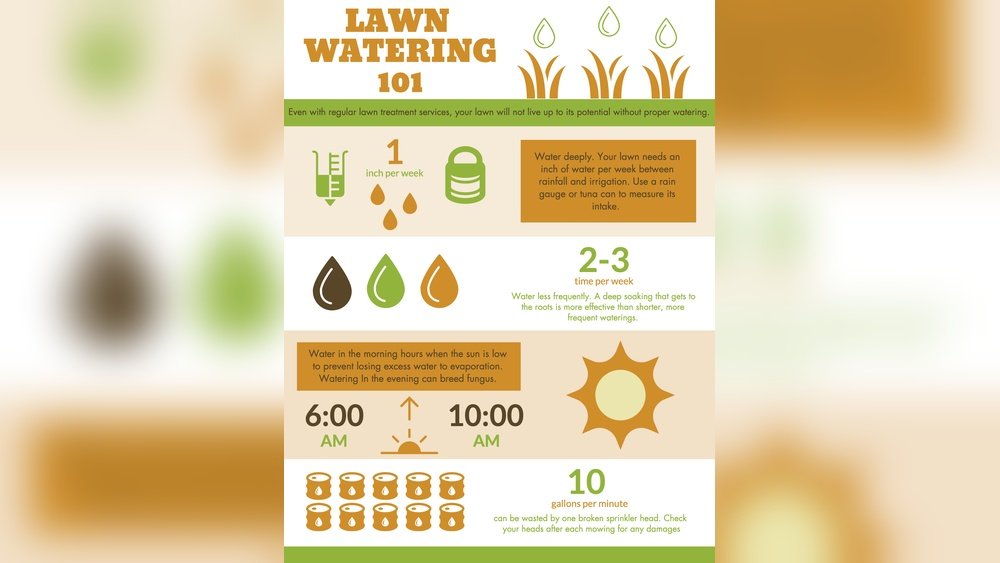
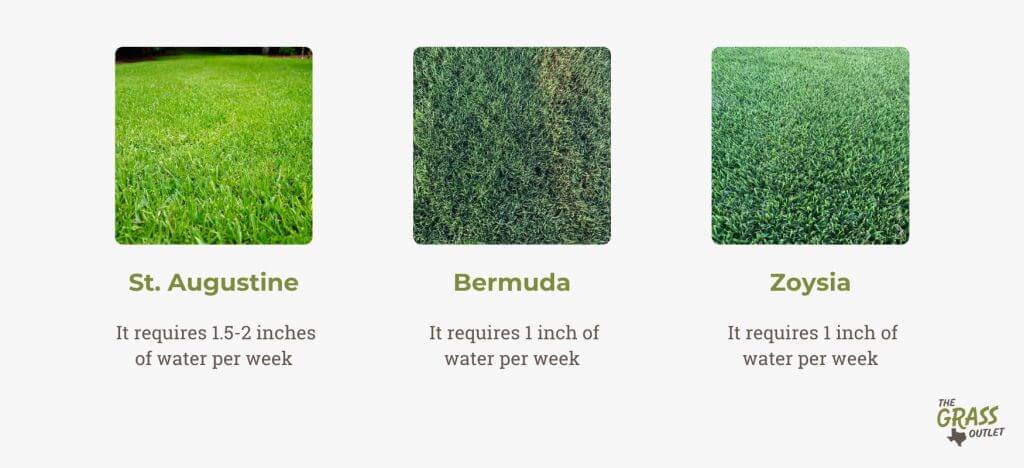
Bermuda grass typically needs about 1 to 1.5 inches of water per week during hot months and less in cooler seasons. Watering deeply but less frequently encourages strong roots and a healthier lawn. Adjust watering based on weather and soil moisture to avoid overwatering or drought stress.
Wondering how much to water your Bermuda grass to keep it green and healthy? Getting the right amount of water is key to a lush lawn, but too much or too little can cause problems.
You might be asking yourself: How often should I water? How much water does Bermuda grass really need? This guide will give you clear, simple answers so you can save water, avoid common mistakes, and enjoy a vibrant lawn all season long.
Keep reading to discover exactly what your Bermuda grass needs to thrive.
Bermuda Grass Basics
Bermuda grass is a popular choice for lawns in warm regions. It grows thick and green, making yards look healthy. This grass type needs the right care to stay strong. Understanding its basics helps with watering and maintenance. Below are key points about Bermuda grass growth and climate preferences.
Growth Patterns
Bermuda grass spreads quickly through runners called stolons and rhizomes. It grows low to the ground and forms a dense carpet. This growth helps prevent weeds from taking over. The grass grows fastest in warm months. It may go dormant and turn brown in cooler weather. Regular mowing keeps it neat and healthy.
Climate Preferences
Bermuda grass thrives in hot, sunny areas. It needs full sun for at least six hours a day. This grass handles drought well but grows best with regular watering. It does not like shade or very cold temperatures. It can survive short frost periods but not long freezes. Ideal climates include southern and coastal regions.

Credit: www.youtube.com
Water Needs By Season
Bermuda grass needs different amounts of water during the year. The water needs change with the seasons. Knowing how much to water helps keep your lawn healthy and green. Too little water can make the grass dry and brown. Too much water can cause problems like fungus or shallow roots.
Spring And Summer
Spring and summer are hot and dry seasons. Bermuda grass grows fast and needs more water. Water your lawn about 1 to 1.5 inches per week. Split watering into two or three times a week. Early morning is the best time to water. This helps the grass absorb water before the heat.
Fall And Winter
Fall and winter are cooler and wetter. Bermuda grass grows slower and needs less water. Water about 0.5 to 0.75 inches per week. Reduce watering frequency to once a week or less. Watch the rain and soil moisture. Avoid overwatering in cold months to prevent root rot.
Signs Of Overwatering And Underwatering
Knowing the signs of overwatering and underwatering helps keep Bermuda grass healthy. Both can stress the grass and cause damage. Recognizing these signs early saves time and effort.
Leaf Color Changes
Leaves turn yellow or brown when watered too much or too little. Overwatered grass often has yellow, soft leaves. Underwatered grass has dry, brown, and brittle leaves. Healthy Bermuda grass stays green and vibrant.
Soil Moisture Levels
Check soil to know if watering is correct. Wet, soggy soil means too much water. Dry, hard soil means not enough water. Ideal soil feels moist but not soaked. Proper soil moisture helps roots grow strong and deep.
Credit: thegrassoutlet.com
Best Watering Techniques
Watering Bermuda grass the right way helps it grow strong and green. Proper watering techniques save water and keep the lawn healthy. Knowing when and how to water makes a big difference for your grass.
Use methods that encourage deep roots and reduce disease risks. This section explains the best watering habits for Bermuda grass.
Deep Vs. Frequent Watering
Deep watering means soaking the soil to a depth of 6 to 8 inches. It helps roots grow deep and makes grass drought-resistant. Watering deeply once or twice a week is better than light watering daily.
Frequent, shallow watering causes roots to stay near the surface. This makes grass weak and thirsty more often. Avoid watering too often or for too short periods.
Deep watering saves water over time. It also reduces lawn diseases by keeping grass dry on top.
Ideal Time Of Day
Water early in the morning, between 5 a.m. and 9 a.m. The air is cool and calm then. Less water evaporates, so more reaches the roots.
Watering at night keeps grass wet longer. This can cause fungus and other problems. Avoid watering during midday heat. Sun causes quick evaporation and wastes water.
Morning watering helps grass absorb water well. It prepares the lawn for hot, dry days ahead.
Irrigation Systems For Bermuda Grass
Choosing the right irrigation system is important for keeping Bermuda grass healthy. Proper watering helps the grass grow strong and green. It also saves water and avoids overwatering. Different irrigation options fit different yard sizes and budgets. Understanding these options helps you care for your Bermuda grass better.
Sprinkler Options
Sprinklers are common for watering Bermuda grass. They spread water evenly over the lawn. Pop-up sprinklers are popular because they stay hidden when off. They cover large areas and can be adjusted for spray distance. Rotor sprinklers work well for big yards with low water pressure. Spray sprinklers suit small lawns with high pressure. Choose the right sprinkler to match your lawn size and water needs.
Smart Controllers
Smart controllers help manage watering schedules easily. They use weather data to adjust watering times. This avoids watering during rain or cool times. Smart controllers save water and keep grass healthy. They connect to your smartphone for easy control. You can change settings from anywhere. These controllers make irrigation simple and efficient for Bermuda grass.
Credit: www.gilbertaz.gov
Adjusting Watering For Soil Types
Watering Bermuda grass changes with soil type. Different soils hold water differently. This affects how often and how much you water. Understanding your soil helps keep grass healthy and green. Adjust water to match the soil’s needs.
Sandy Soils
Sandy soils drain water quickly. Water passes through before grass absorbs it. Water more often but use less water each time. This keeps roots moist without wasting water. Early morning watering helps reduce evaporation.
Clay Soils
Clay soils hold water for longer. Water moves slowly through this soil. Water less often but use more water each time. This allows deep soaking and prevents surface runoff. Avoid watering too fast to stop puddles forming.
Tips For Water Conservation
Saving water is important for healthy Bermuda grass and the environment. Using less water helps keep your lawn green and reduces water bills. Smart watering and care methods keep the grass strong without wasting water.
Mulching Benefits
Mulching covers the soil with leaves, grass clippings, or bark. This layer holds moisture in the soil longer. It stops water from evaporating quickly under the sun. Mulching also blocks weeds that steal water and nutrients. Your Bermuda grass stays hydrated and healthy with less watering.
Rainwater Harvesting
Collecting rainwater is a natural way to water your lawn. Use barrels or containers to catch rain from roofs. This water is free and perfect for your grass. Rainwater has no chemicals like tap water. Using it cuts down your water use and saves money. It keeps Bermuda grass green without extra effort.
Frequently Asked Questions
How Often Should I Water Bermuda Grass Weekly?
Water Bermuda grass about 1 to 1. 25 inches weekly. Split this into 2 to 3 watering sessions for best results. Early morning watering reduces evaporation and promotes healthy growth.
How Much Water Does Bermuda Grass Need Daily?
Bermuda grass requires roughly 0. 5 inches of water daily during hot weather. Water deeply but less frequently to encourage strong root growth. Avoid overwatering to prevent disease and root rot.
What Is The Best Time To Water Bermuda Grass?
The best time to water Bermuda grass is early morning. Watering before 10 a. m. minimizes evaporation and fungal growth. Avoid watering at night to keep the grass dry and healthy.
Can I Water Bermuda Grass Less During Cooler Seasons?
Yes, reduce watering to once a week in cooler seasons. Bermuda grass growth slows down, needing less water. Adjust based on rainfall and soil moisture to avoid overwatering.
Conclusion
Water Bermuda grass deeply but not too often. Aim for about one inch of water each week. Early morning watering helps reduce disease risks. Adjust watering based on weather and soil type. Too much water can harm roots and waste resources.
Watch your grass for signs of thirst or overwatering. Healthy Bermuda grass stays green and grows well. Keep a steady watering routine for best results. Your lawn will thank you with a lush, vibrant look. Simple care makes a big difference.
