

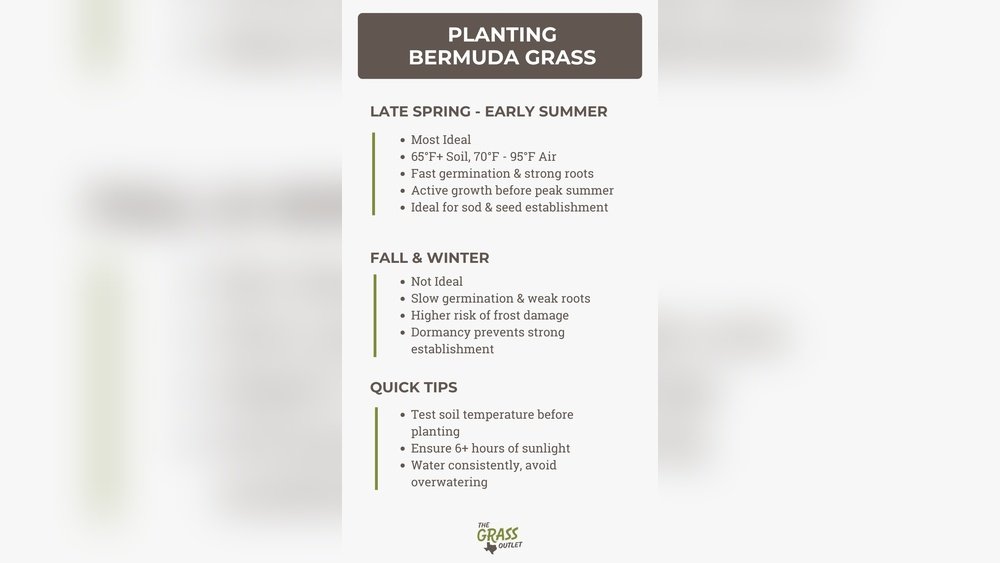
The best time to plant Bermuda grass seed is when soil temperatures are consistently between 65 and 75 degrees Fahrenheit, usually in late spring or early fall. Planting during these periods ensures quick germination and strong root growth, setting your lawn up for healthy, vibrant growth through the season.
Are you ready to transform your lawn into a lush, green paradise? Knowing the best time to plant Bermuda grass seed can make all the difference in how quickly and beautifully your grass grows.
If you plant at the wrong time, you might face slow growth, patchy spots, or even wasted effort. But when you get it just right, your lawn will thrive with thick, vibrant grass that stands out in your neighborhood. You’ll discover the perfect timing for planting Bermuda grass seed so you can enjoy a healthy, stunning lawn all season long.
Keep reading to find out how to give your grass the best start possible!
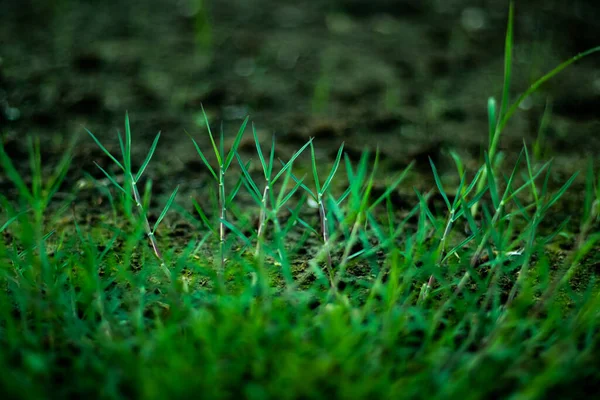
Credit: theturfgrassgroup.com
Bermuda Grass Basics
Bermuda grass is a popular choice for lawns and sports fields. It grows fast and creates a thick, green carpet. Knowing its basics helps you grow it well. This section covers key traits and climate needs of Bermuda grass.
Characteristics And Benefits
Bermuda grass is warm-season grass. It thrives in hot weather and full sun. This grass spreads quickly through runners and seeds. It recovers fast from damage, making it durable. Its deep roots help it survive drought. It stays green most of the summer. It tolerates heavy foot traffic well. Bermuda grass also resists many common lawn pests. Its thick growth reduces weeds naturally.
Climate Preferences
Bermuda grass grows best in warm climates. It prefers temperatures between 75 and 95 degrees Fahrenheit. It needs at least six hours of sunlight daily. It does not grow well in shade or cold. It goes dormant and turns brown in winter. This grass performs well in dry and humid areas. It handles heat better than most grasses. Bermuda grass needs good soil drainage to thrive.
Ideal Planting Seasons
Bermuda grass grows best during certain times of the year. Planting seed at the right season helps the grass grow strong. The weather and soil temperature play a big role. Choosing the ideal planting season sets the stage for a healthy lawn.
Each season offers different benefits for planting Bermuda grass seed. Understanding these helps you pick the best time for your lawn. Let’s explore the best seasons to plant Bermuda grass seed.
Spring Planting
Spring is a popular time to plant Bermuda grass seed. The soil warms up, which helps seed sprout quickly. Temperatures between 65°F and 75°F are perfect. Spring rains also keep the soil moist. This moisture supports seed germination and growth.
Planting in spring gives the grass a full growing season. The grass can develop strong roots before winter. Watch for late frost, as cold can harm young seedlings. Overall, spring offers a good balance of warmth and moisture.
Summer Planting
Summer planting can work, but it needs care. The soil is warm, which helps seeds germinate fast. Watering is very important because summer heat dries the soil. Daily watering may be necessary to keep soil moist. Avoid planting during extreme heat waves.
Summer planting allows grass to grow quickly. But strong sun and heat stress young plants. Using mulch or shade can protect seedlings. Summer seed planting suits regions with mild heat and steady water.
Fall Planting
Fall is an excellent time to plant Bermuda grass seed. Soil stays warm from summer heat, aiding seed sprout. Cooler air temperatures reduce stress on new grass. Fall rains help keep soil moist for growth.
Planting in fall gives grass time to grow roots before winter. This leads to a stronger lawn in spring. Avoid late fall planting when soil cools too much. Early fall is the best window for seeding Bermuda grass.
Soil Preparation Tips
Preparing the soil is a key step before planting Bermuda grass seed. Good soil helps seeds grow strong roots and healthy grass. Spending time on soil preparation creates a better environment for the grass to thrive. This section explains simple tips to get your soil ready.
Testing Soil Conditions
Start by checking your soil’s pH and nutrients. Bermuda grass grows best in soil with a pH between 5.8 and 7.0. Use a soil test kit or send a sample to a local extension office. Testing shows what your soil needs to support healthy growth.
Soil texture matters too. Sandy soil drains fast but may lack nutrients. Clay soil holds water but can be hard for roots to grow. Knowing your soil type helps in choosing the right amendments.
Improving Soil Quality
Add organic matter like compost or peat moss to improve soil texture. This helps sandy soil hold water and clay soil drain better. Spread a 2-3 inch layer over the planting area and mix it into the top 4-6 inches of soil.
Remove rocks, roots, and debris from the soil surface. Break up large clumps to create a smooth seedbed. Firm the soil lightly to ensure good seed contact but avoid compacting it too much.
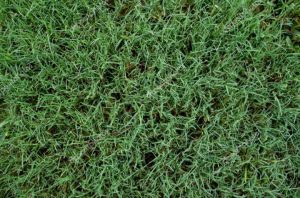
Credit: theturfgrassgroup.com
Seed Selection And Quality
Choosing the right seed and ensuring its quality are key to growing healthy Bermuda grass. The right seed type fits your climate and soil. High-quality seeds grow faster and resist diseases better. This section explains how to pick the best seed and check its quality.
Choosing The Right Seed Type
Bermuda grass seeds come in different types. Common types include common Bermuda and hybrid Bermuda. Common Bermuda is cheaper and good for casual lawns. Hybrid Bermuda is stronger and ideal for sports fields. Choose a seed that suits your yard size and use. Also, consider your local climate. Some seeds do better in hot, dry areas. Others handle cooler weather well. Buy seeds designed for your region for best results.
Seed Quality Indicators
Good seeds are clean and free from debris. Check the package for a high germination rate. A rate above 85% means most seeds will sprout. Look for seeds tested recently. Old seeds lose their ability to grow. Also, seeds should be free of mold or discoloration. Buying from trusted brands ensures quality. Avoid seeds with mixed varieties unless you want a blend. Quality seeds give a strong start to your lawn.
Planting Techniques
Planting Bermuda grass seed requires careful attention to techniques. Proper methods ensure strong growth and a healthy lawn. Use the right steps for best results.
Seeding Methods
Spread the seed evenly over prepared soil. Use a broadcast spreader for large areas. For small patches, hand spreading works well. Lightly rake the soil to cover the seeds. This protects them from birds and wind. Water gently after planting to keep soil moist. Avoid heavy watering that washes seeds away.
Seeding Rate And Depth
Use the correct seeding rate to avoid thin or crowded grass. About 1 to 2 pounds of seed per 1,000 square feet works best. Plant seeds shallowly, no more than 1/4 inch deep. Seeds buried too deep may not sprout. Shallow planting helps seeds get sunlight and air. Keep the soil moist until grass starts growing.

Credit: thegrassoutlet.com
Watering Guidelines
Watering is key for Bermuda grass seed growth. Proper watering helps seeds sprout and roots grow strong. Too little water stops growth. Too much water causes problems like fungus. Follow clear watering steps for best results.
Initial Watering
Right after planting, water the area lightly. Keep the soil moist but not soaked. Water 2 to 3 times a day for 10 to 15 minutes. This keeps seeds wet and helps them start to grow. Avoid heavy watering that creates puddles. Check soil daily to keep moisture steady.
Ongoing Water Schedule
Once grass sprouts, reduce watering to once a day. Water deeply for about 20 minutes to encourage deep roots. After two weeks, water every other day. Adjust based on weather and soil dryness. Water early morning to reduce evaporation. Avoid watering late in the day to prevent disease.
Post-planting Care
Planting Bermuda grass seed is just the start. Proper care after planting helps the grass grow thick and green. Post-planting care involves watering, feeding, and protecting your new grass from weeds and pests. Each step supports strong roots and healthy blades. Follow these tips to keep your lawn looking its best.
Fertilizing Bermuda Grass
Fertilizer gives Bermuda grass the nutrients it needs to grow fast. Use a balanced fertilizer with nitrogen, phosphorus, and potassium. Apply fertilizer about four to six weeks after planting. Avoid too much fertilizer at once to prevent burning the grass. Spread it evenly for the best results. Repeat feeding every six to eight weeks during the growing season.
Weed And Pest Management
Weeds can steal nutrients from your young grass. Remove weeds by hand or use a safe herbicide made for Bermuda grass. Watch for pests like grubs and chinch bugs. These bugs can damage roots and leaves. Use insecticides only if you see pest problems. Keep the lawn clean and mow regularly to reduce weed and pest risks.
Common Challenges
Planting Bermuda grass seed can be tricky. Several challenges may slow down or stop growth. Knowing these problems helps you prepare better. This section covers common issues and ways to handle them.
Dealing With Poor Germination
Seeds may not sprout well. Poor germination happens due to bad soil or wrong planting depth. Too much or too little water also harms seed growth. Old seeds lose their power to grow. Check seed quality before planting. Keep soil moist but not soggy. Avoid planting too deep. These steps improve sprouting chances.
Handling Weather Setbacks
Weather changes affect Bermuda grass growth. Cold temperatures slow seed sprouting. Heavy rain can wash seeds away. Dry spells stop seed from growing. Hot, dry winds dry out soil fast. Protect seeds by watering regularly. Plant during warm months for best results. Watch weather forecasts to avoid problems.
Frequently Asked Questions
When Is The Best Time To Plant Bermuda Grass Seed?
The best time to plant Bermuda grass seed is late spring to early summer. Soil temperatures should be consistently above 65°F for optimal germination. This timing ensures warm weather, promoting fast growth and a healthy lawn establishment.
How Long Does Bermuda Grass Seed Take To Germinate?
Bermuda grass seed typically takes 7 to 21 days to germinate. Warm soil and proper moisture speed up this process. Consistent watering and sunlight help achieve quick and uniform sprouting for a lush lawn.
Can I Plant Bermuda Grass Seed In Fall?
Planting Bermuda grass seed in fall is not ideal. Cooler temperatures slow germination and growth. For best results, plant in late spring or early summer when soil is warm and days are longer.
What Soil Temperature Is Ideal For Bermuda Seed?
Ideal soil temperature for Bermuda seed is between 65°F and 70°F. This range encourages rapid germination and strong root development. Cooler soil temperatures delay growth and reduce seedling survival rates.
Conclusion
Plant Bermuda grass seed in late spring or early summer. Soil should be warm, above 65°F, for best growth. Water the seed regularly to keep soil moist. Avoid planting in cold or wet conditions. Good timing helps grass grow thick and green.
Patience matters; grass needs time to establish roots. Follow these tips for a healthy Bermuda lawn. Enjoy a lush, green yard all season long.
