

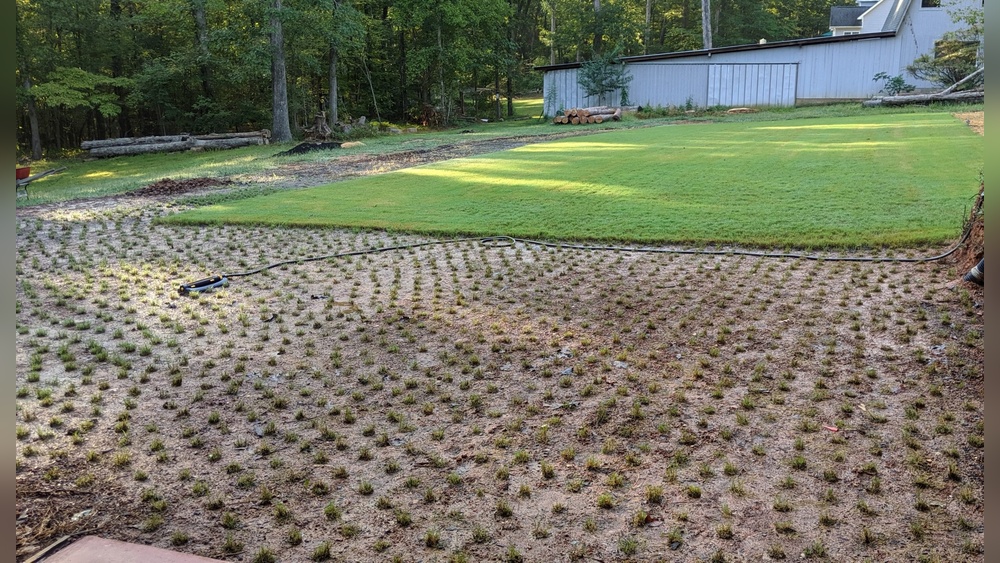
Plugging Bermuda grass is a straightforward way to fill bare spots and thicken your lawn. It involves planting small grass plugs into thin areas, which then spread quickly to create a lush, dense turf. This method is cost-effective, supports drought resistance, and helps your lawn recover faster from damage.
Are you looking to fill bare spots in your lawn with lush, green Bermuda grass? Plugging Bermuda grass is one of the easiest and most effective ways to get a thick, healthy lawn without starting from scratch.
Whether your yard has patches from wear and tear or you just want to boost your grass’s growth, knowing how to plug Bermuda grass can save you time and effort. You’ll discover simple, step-by-step tips to help your plugs take root quickly and spread fast.
Keep reading, and you’ll be one step closer to having the vibrant lawn you’ve always wanted.
Benefits Of Plugging Bermuda Grass
Plugging Bermuda grass offers many benefits for a healthy lawn. It helps the grass fill in bare spots and grow thicker. This method supports a strong and green lawn without spending too much money. The process also helps the grass survive dry times better. Here are key benefits of plugging Bermuda grass.
Improved Lawn Density
Plugging adds new grass plants directly into thin areas. These plugs spread roots and shoots quickly. The lawn becomes denser and fuller over time. Thicker grass blocks weeds and erosion naturally. A dense lawn feels soft and looks vibrant.
Cost-effective Lawn Care
Plugging uses fewer grass plants than seeding or sodding. It lowers the cost of lawn repair or expansion. You need less water and fertilizer too. The process saves money on supplies and labor. It is a smart choice for budget-friendly lawn care.
Enhanced Drought Resistance
Plugged Bermuda grass develops deep roots faster. Strong roots help the lawn hold water better. The grass stays green longer during dry weather. It recovers quicker after heat stress or drought. This makes your lawn tougher and less thirsty.

Credit: www.homedepot.com
Choosing The Right Time To Plug
Choosing the right time to plug Bermuda grass is key to success. Planting at the right moment helps plugs grow strong and spread quickly. Timing affects how well the grass takes root and fills your lawn. Understanding the best seasons and soil conditions improves your chances of a healthy lawn.
Ideal Seasons For Planting
Spring and early summer are the best seasons for planting Bermuda grass plugs. The soil warms up, and the grass grows fast. Planting during these months allows plugs to establish before cooler weather. Avoid planting in fall or winter, when growth slows down. Warm weather encourages roots to develop quickly.
Soil Temperature And Moisture
Soil temperature should be between 65°F and 70°F for planting plugs. Warm soil helps roots grow deep and strong. Check soil moisture before planting. The soil must be moist but not soggy. Dry soil makes it hard for plugs to grow. Wet soil can cause plugs to rot. Proper moisture supports healthy root development.
Preparing Your Lawn For Plugs
Preparing your lawn for Bermuda grass plugs is the first step to a healthy, green yard. Proper preparation helps the plugs grow strong and spread quickly. It also reduces problems like weeds and poor soil. Follow these simple steps to get your lawn ready for planting.
Clearing Debris And Weeds
Remove sticks, leaves, and other debris from the lawn area. Clear away dead grass and old clippings. Pull out weeds by hand or use a weed killer safe for Bermuda grass. Clean soil helps plugs root better and prevents competition for nutrients.
Soil Testing And Amendments
Test your soil to check its pH and nutrient levels. You can buy a simple soil test kit or send a sample to a lab. Bermuda grass grows best in soil with a pH between 5.8 and 7.0. Add lime if the soil is too acidic or sulfur if it is too alkaline. Mix in compost or fertilizer to improve soil quality and give plugs a good start.
Mowing And Watering Tips
Mow the lawn short before planting plugs. This helps expose the soil and makes planting easier. Water the lawn a day before planting to moisten the soil. Keep the soil damp but not soaked after planting. Proper watering helps plugs stay alive and grow roots quickly.
Credit: www.amazon.com
Selecting Quality Bermuda Grass Plugs
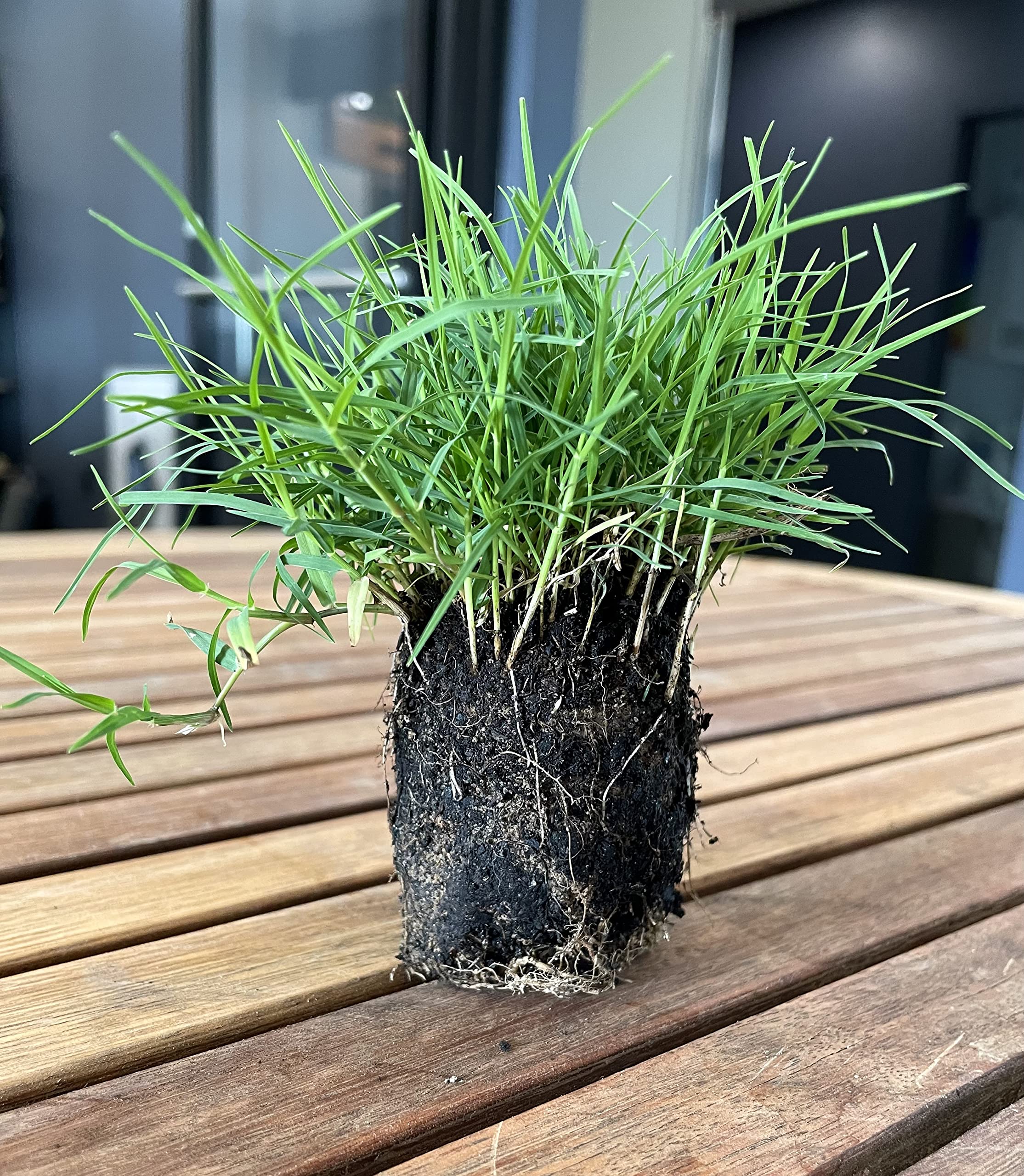
Selecting quality Bermuda grass plugs is a key step for a healthy lawn. Good plugs grow fast and spread well. Poor quality plugs may fail to root or grow thin. Choose plugs with strong roots and green leaves. This helps your lawn look full and fresh quickly.
Healthy plugs resist disease and survive heat better. They also fill in bare spots faster. Picking the right plugs saves time and money in the long run.
Choosing Healthy Plugs
Look for plugs with bright green leaves. Avoid plugs with yellow or brown spots. Check that the roots are thick and white. Thin or dry roots mean weak plants. Pick plugs that feel firm and moist. These plugs will grow better in your soil.
Healthy plugs have no signs of pests or mold. Make sure the grass blades are not wilted. Fresh plugs have a lively look and smell. This shows they were taken from a healthy source.
Sources For Purchasing Plugs
Buy plugs from trusted local nurseries or garden centers. Local stores often carry varieties suited for your climate. This helps the grass adapt quickly to your yard. Some farm suppliers specialize in Bermuda grass plugs. They usually offer bulk purchases at a fair price.
Avoid buying plugs from unknown online sellers. Poor handling during shipping can harm the plugs. Always ask about the source and care of the plugs. Knowing where the plugs come from ensures better quality.
Step-by-step Plugging Process
Plugging Bermuda grass is a simple way to grow a thick, healthy lawn. It involves planting small pieces of grass called plugs. Follow the steps carefully for the best results. Planting plugs helps fill bare spots and spreads the grass evenly.
Spacing And Planting Techniques
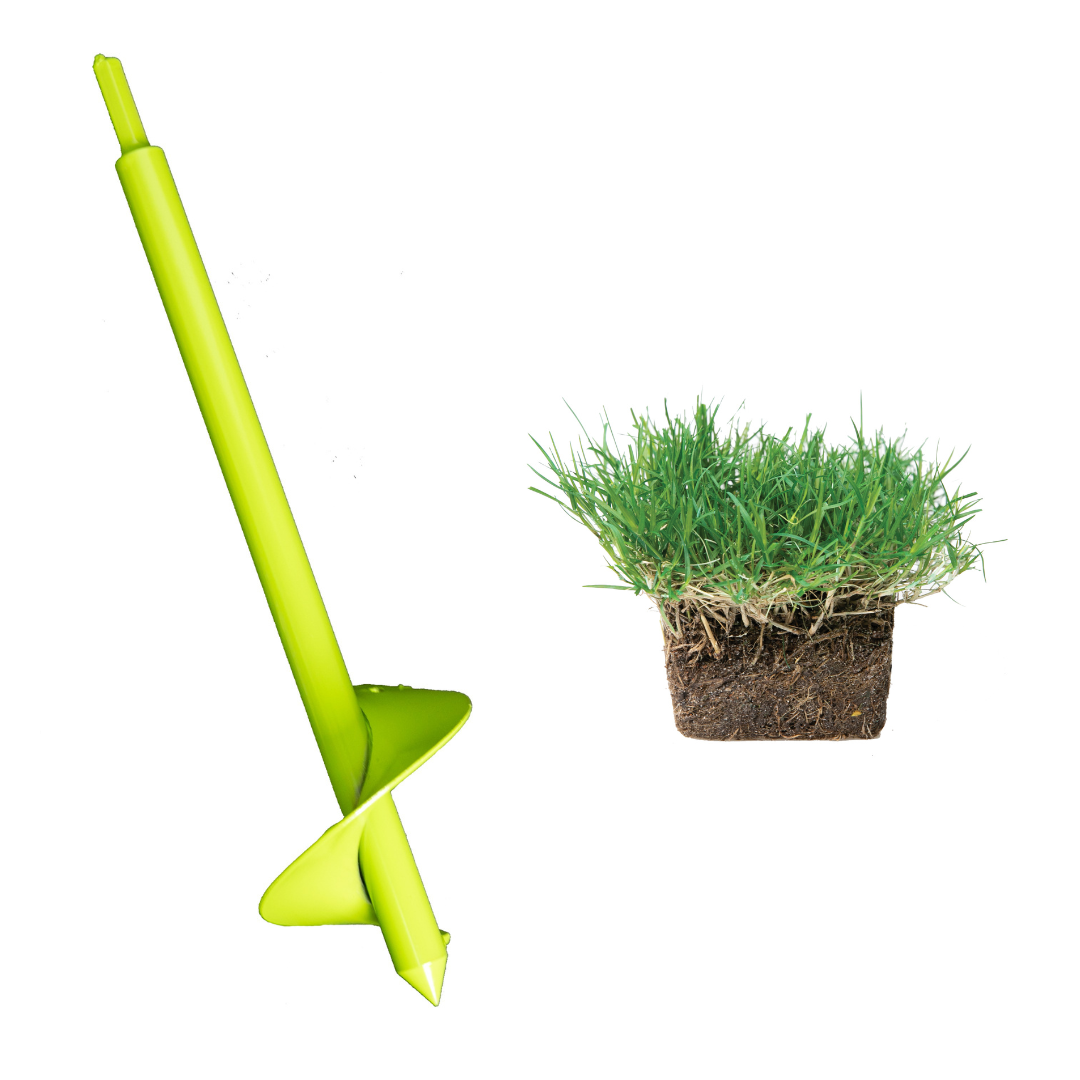
Space plugs about 6 to 12 inches apart. Closer spacing means faster coverage. Use a small trowel or a plugger tool to dig holes. Place each plug firmly in the hole. Press the soil around the plug to remove air pockets. Keep the plugs upright for good root growth.
Depth And Placement Tips
Plant plugs at the same depth as they grew in the nursery. Avoid planting too deep or too shallow. The roots must be covered with soil, but the grass blades should stay above ground. Proper depth helps plugs take root quickly. Make sure plugs are evenly placed for uniform growth.
Watering After Planting
Water plugs immediately after planting. Keep the soil moist but not soaked. Water daily for the first two weeks. This helps roots grow strong and fast. Reduce watering as plugs start to spread. Proper watering is key to healthy Bermuda grass plugs.
Caring For Bermuda Grass Plugs
Caring for Bermuda grass plugs is key for a healthy lawn. These small grass pieces need attention to grow strong roots and spread well. Proper care helps the plugs fill in bare spots quickly. Follow simple steps to keep the plugs alive and thriving.
Irrigation Schedule
Water Bermuda grass plugs right after planting. Keep the soil moist but not wet. Water daily for the first two weeks. After roots develop, reduce watering to every two or three days. Deep watering helps roots grow deeper. Avoid overwatering to stop root rot.
Fertilizing Guidelines
Apply fertilizer to support fast growth. Use a balanced fertilizer with nitrogen, phosphorus, and potassium. Fertilize four to six weeks after planting. Follow package instructions for the right amount. Do not over-fertilize; it can harm the grass. Repeat fertilizing every six to eight weeks during growing season.
Weed Control Methods
Remove weeds around plugs by hand to avoid damage. Mulch lightly around plugs to stop weeds. Avoid using harsh herbicides near new plugs. Use pre-emergent weed control only after plugs are established. Keep the area clean for best plug growth.
Troubleshooting Common Issues
Troubleshooting common issues is key to a healthy Bermuda grass lawn. Knowing how to fix problems helps keep your grass lush and green. Many gardeners face similar challenges. This section covers simple fixes for those problems.
Dealing With Patchy Growth
Patchy growth happens when some grass areas are thin or bare. Causes include poor soil, lack of water, or too much shade. Check sunlight and water your lawn evenly. Add grass plugs in bare spots. Use fertilizer to boost growth. Keep foot traffic low on weak areas.
Pest And Disease Management
Pests like grubs or insects can damage Bermuda grass roots and leaves. Diseases cause spots or yellow patches. Inspect your lawn regularly for bugs or odd spots. Use natural pest control or mild insecticides. Remove diseased grass to stop spread. Keep grass mowed and watered properly for disease prevention.
Addressing Soil Compaction
Soil compaction stops roots from growing well. It makes grass thin and weak. Test soil firmness by pushing a screwdriver into the ground. Aerate the lawn to loosen compacted soil. Aeration allows air, water, and nutrients to reach roots. Avoid heavy equipment on your lawn to reduce compaction.
Credit: trysodpods.com
Maintaining A Lush Bermuda Lawn
Maintaining a lush Bermuda lawn requires care and attention throughout the year. This grass type thrives under proper mowing, watering, and feeding routines. Healthy Bermuda grass grows thick and green, creating a beautiful yard. Follow these simple steps to keep your lawn vibrant and strong.
Regular Mowing Practices
Mowing Bermuda grass often helps it stay dense and healthy. Cut the grass to about 1 to 2 inches tall. Avoid cutting more than one-third of the blade length at once. Use sharp mower blades to prevent tearing the grass. Mow in different directions each time to encourage even growth.
Seasonal Care Tips
Adjust your lawn care with the seasons. Water Bermuda grass deeply but less often, about 1 inch per week. Fertilize during the growing season, usually spring and summer. Reduce watering and stop fertilizing in fall to prepare for dormancy. Remove leaves and debris to keep the lawn clean and healthy.
Long-term Lawn Health Strategies
Aerate the soil yearly to improve root growth and air flow. Overseed thin areas with Bermuda plugs or seed to maintain thickness. Test soil every few years to check nutrient levels and pH. Use a balanced fertilizer based on soil test results. Control weeds early to prevent them from spreading.
Frequently Asked Questions
What Is Bermuda Grass Plugging?
Bermuda grass plugging is a lawn care method using small grass pieces. These plugs grow roots and spread, filling bare patches. It’s an easy, cost-effective way to establish a lush Bermuda grass lawn.
When Is The Best Time To Plug Bermuda Grass?
The best time to plug Bermuda grass is late spring or early summer. Warm soil encourages quick root growth. Avoid plugging during cold or drought periods for better results.
How Deep Should Bermuda Grass Plugs Be Planted?
Plant Bermuda grass plugs about 1 to 2 inches deep. Ensure the soil is moist for good root contact. Proper depth helps plugs establish quickly and spread effectively.
How Often Should Bermuda Grass Plugs Be Watered?
Water Bermuda grass plugs daily for the first two weeks. Keep soil consistently moist but not waterlogged. After establishment, reduce watering frequency to promote deep root growth.
Conclusion
Plugging Bermuda grass helps fill bare spots and grow a thick lawn. Choose healthy plugs and plant them in warm soil for best results. Water the plugs regularly to keep them alive and strong. Avoid heavy foot traffic on new plugs until they root well.
Patience is key; it takes time for plugs to spread and cover. With care, your Bermuda grass will look lush and green soon. Keep following these steps for a healthy, beautiful lawn all season.
