

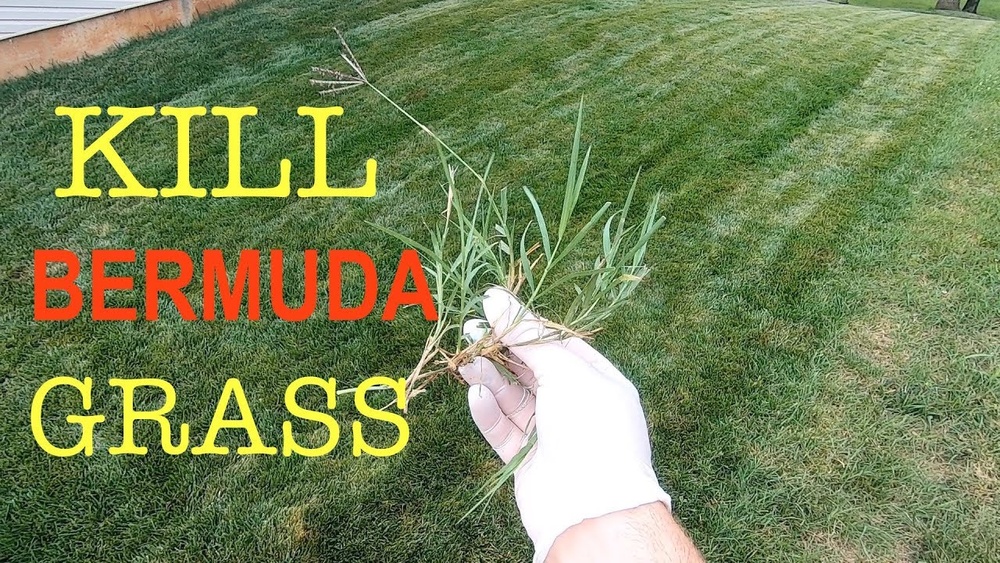
To get rid of Bermuda grass in your fescue lawn, start by identifying the invasive patches early. Use targeted herbicides and improve lawn care practices like proper mowing, watering, and fertilizing to weaken Bermuda grass without harming your fescue. Consistent effort is key to restoring a healthy, uniform lawn.
Is Bermuda grass taking over your beautiful fescue lawn? You’re not alone, and the good news is—there’s a way to fix this.
Bermuda grass can be tough to handle, but with the right steps, you can reclaim your yard and enjoy a lush, healthy fescue lawn again. You’ll discover easy-to-follow tips that work, so you can stop worrying about those stubborn patches and start loving your lawn.
Keep reading, because your perfect yard is closer than you think.
Credit: www.agsod.com
Identifying Bermuda Grass In Fescue
Identifying Bermuda grass in a Fescue lawn is the first step to controlling it. Bermuda grass spreads fast and can take over your yard if not caught early. Knowing how to spot it helps protect your Fescue grass and keeps your lawn healthy.
Bermuda grass looks different from Fescue in many ways. You must learn these differences to find and remove Bermuda grass easily.
Characteristics Of Bermuda Grass
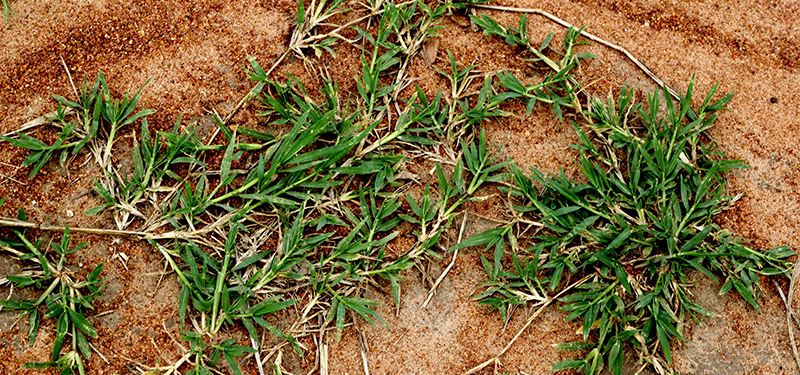
Bermuda grass has thin, wiry blades that feel rough. Its color is bright green, often lighter than Fescue. It grows low to the ground and spreads by runners called stolons and underground stems called rhizomes.
This grass forms dense patches that crowd other grasses out. Bermuda grass blades are narrow and pointed, unlike the wider, softer blades of Fescue. It also grows faster and survives heat and drought better.
Signs Of Infestation In Fescue Lawns
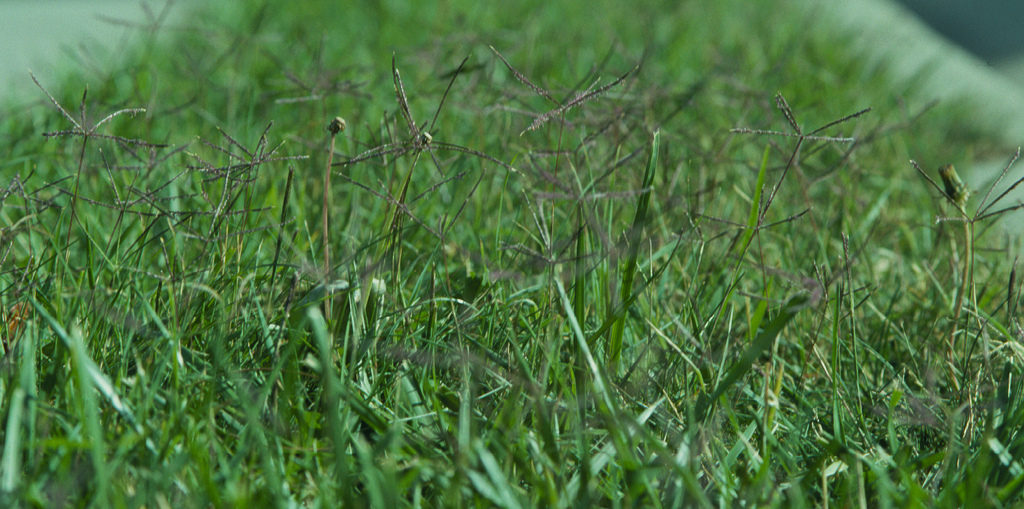
Look for spots where the grass changes texture or color. Bermuda grass patches stand out with their coarse, light green blades. These patches can feel rougher and denser than surrounding Fescue areas.
Another sign is the rapid spread of these patches. Bermuda grass grows aggressively and can form thick mats. You may also notice runners creeping into healthy Fescue areas, causing uneven growth.
Check your lawn often to catch Bermuda grass early. Early detection makes removal easier and helps your Fescue stay strong.
Credit: www.turffiles.ncsu.edu
Why Bermuda Grass Is A Problem
Bermuda grass can cause serious problems in a fescue lawn. It spreads quickly and takes over areas where fescue should grow. This grass type is tough and grows fast, making it hard to control. Understanding why Bermuda grass is a problem helps you protect your lawn better.
Impact On Lawn Health
Bermuda grass competes with fescue for water and nutrients. It drains resources that fescue needs to stay green and healthy. This competition weakens fescue grass, causing brown spots and thinning areas. Bermuda grass also changes soil conditions, making it harder for fescue to grow well. Over time, the lawn looks patchy and unhealthy.
Challenges In Lawn Maintenance
Removing Bermuda grass from fescue is difficult. It spreads through underground runners and seeds, making it tough to kill completely. Regular mowing may not stop its growth. Bermuda grass also requires different care than fescue, causing confusion. Lawn treatments must target Bermuda without harming the fescue, which is tricky. Many homeowners spend extra time and money trying to manage this problem.
Preventing Bermuda Grass Spread
Stopping Bermuda grass from spreading into your fescue lawn takes patience and care. This aggressive grass spreads quickly through roots and seeds. Preventing its growth early keeps your fescue healthy and green. Focus on good lawn habits and avoid errors that help Bermuda take over.
Proper Lawn Care Practices
Mow fescue regularly at the right height. Keep blades sharp to avoid tearing grass. Water deeply but less often, encouraging strong fescue roots. Fertilize with a balanced lawn food in spring and fall. Aerate the soil to improve air and water flow. Healthy fescue crowds out invading Bermuda grass.
Avoiding Common Mistakes
Do not overwater your lawn; wet soil helps Bermuda grow. Avoid cutting fescue too short; this weakens it. Skip the use of weed killers that harm fescue but not Bermuda. Avoid heavy foot traffic on wet soil, which damages fescue roots. Clean lawn equipment after use to prevent spreading Bermuda seeds. These small actions protect your fescue from Bermuda grass.
Manual Removal Techniques
Manual removal techniques offer a natural way to control Bermuda grass in your fescue lawn. These methods focus on physically removing the unwanted grass. They require effort but avoid chemicals, making them safe and eco-friendly. Patience and consistency make these techniques effective over time.
Hand Pulling And Digging Out
Start by pulling Bermuda grass by hand. It works best when the soil is moist. Grab the base of the grass firmly. Pull slowly to remove roots completely. Leaving roots can cause regrowth.
For deeper roots, use a small shovel or spade. Dig around the grass clump carefully. Remove the entire root system. Check the area afterward for leftover pieces. Repeat often to keep Bermuda grass from spreading.
Using Tools For Removal
Tools make manual removal easier and more effective. A garden fork helps loosen soil around tough roots. Insert the fork near the grass base. Lift gently to break up the roots.
For larger patches, a hoe or weeding tool works well. Scrape the topsoil lightly to pull up grass runners. Clear the area of all pulled grass parts. Clean tools after use to prevent spreading seeds or roots.
Herbicide Options For Control
Controlling Bermuda grass in a fescue lawn requires careful herbicide use. Herbicides help target unwanted grass while protecting your fescue. Choosing the right product is key to success.
Some herbicides kill only Bermuda grass, leaving fescue unharmed. Others kill all plants they touch. Understanding these differences helps you pick the best option.
Selective Vs Non-selective Herbicides
Selective herbicides kill Bermuda grass but keep fescue safe. They target specific grass types without harming broadleaf plants. Use them for spot treatments or small areas.
Non-selective herbicides kill all green plants they contact. Use these only on bare soil or where you want no grass. They work fast but require caution to protect fescue.
Choose selective herbicides for a lawn with Bermuda grass patches. Use non-selective herbicides for total grass removal before reseeding.
Application Tips And Safety
Apply herbicides on calm, dry days to avoid drift onto fescue. Follow label instructions carefully for best results. Wear gloves and protective clothing during application.
Keep children and pets away from treated areas until dry. Use a sprayer for even coverage. Avoid overuse to prevent damage to your fescue lawn.
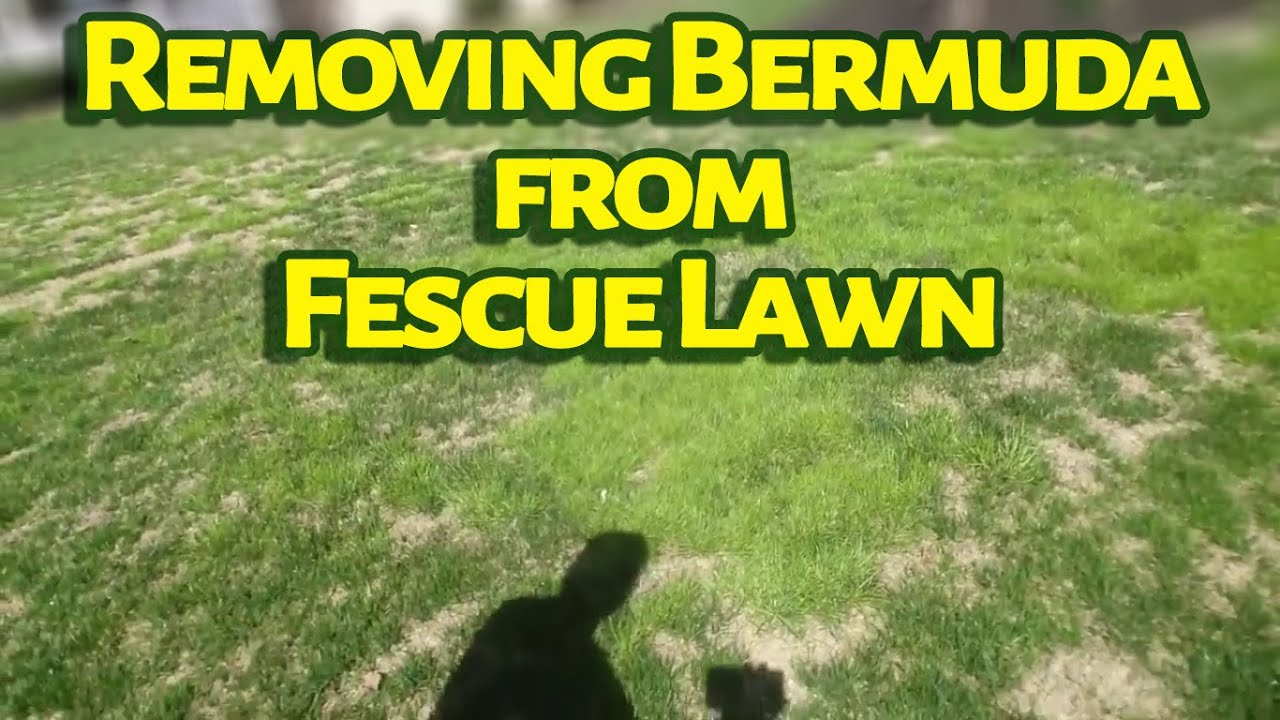
Test herbicide on a small area first. Wait several days to see effects before treating larger sections. Proper timing and care improve success and safety.
Credit: www.youtube.com
Improving Fescue Lawn Health
Improving the health of your fescue lawn is key to fighting Bermuda grass. A strong, healthy lawn can stop Bermuda grass from taking over. Focus on care routines that help fescue grow thick and lush. This makes it harder for unwanted grasses to spread.
Fertilization And Watering Strategies
Feed your fescue lawn with the right fertilizer. Use a formula high in nitrogen during the growing season. This helps the grass grow thick and green. Water deeply but less often. This encourages deep roots and strong growth. Avoid shallow watering that favors Bermuda grass. Water early in the morning to reduce disease risk.
Overseeding And Lawn Repair
Fill bare spots with fresh fescue seed. Overseed in the fall for best results. This strengthens your lawn and blocks Bermuda grass. Rake the soil lightly before seeding. Keep the area moist until seeds sprout. Regular overseeding keeps your lawn dense and healthy. Repair damaged areas quickly to prevent weed invasion.
Long-term Maintenance To Prevent Return
Stopping Bermuda grass from coming back in your fescue lawn takes steady work. Long-term care helps keep your yard healthy and free of unwanted grass. This means watching your lawn closely and following good care steps every season. Consistent effort keeps the fescue strong and reduces Bermuda grass chances to grow back.
Regular Lawn Monitoring
Check your lawn often for signs of Bermuda grass. Look for its thin, wiry leaves among the fescue blades. Early spotting helps you act fast. Pull out small patches by hand before they spread. Use a magnifying glass if needed to see the grass clearly. Regular checks stop Bermuda grass from taking over your lawn.
Seasonal Care Routines
Follow a care plan that matches the seasons. In spring, mow at the right height to support fescue growth. Water deeply but less often to keep roots strong. Apply fertilizer that suits fescue, not Bermuda grass. In fall, aerate the soil to improve air and water flow. These steps help fescue thrive and block Bermuda grass from returning.
Frequently Asked Questions
What Is The Best Method To Remove Bermuda Grass From Fescue?
The best method combines selective herbicides and manual removal. Use a herbicide targeting Bermuda grass without harming Fescue. Hand-pull small patches and maintain healthy Fescue to prevent regrowth. Repeat treatments improve success.
Can Bermuda Grass Harm My Fescue Lawn’s Growth?
Yes, Bermuda grass competes for nutrients, sunlight, and water. It can weaken Fescue by spreading aggressively. Removing Bermuda grass early protects your Fescue lawn’s health and appearance.
How Often Should I Treat Bermuda Grass In Fescue?
Treat Bermuda grass every 2 to 4 weeks during its active growing season. Multiple treatments ensure complete removal and prevent regrowth. Consistency is key for effective control.
Are There Natural Ways To Control Bermuda Grass In Fescue?
Natural methods include solarization, smothering with mulch, and improving Fescue’s health. These techniques reduce Bermuda grass growth but may take longer than herbicides. Combining methods boosts effectiveness.
Conclusion
Controlling Bermuda grass in your fescue lawn takes time and care. Use the right herbicides and mow regularly to keep Bermuda grass down. Water and fertilize your fescue properly to help it grow strong. Keep checking your lawn often to catch any new Bermuda grass early.
Small steps add up to a healthier, weed-free lawn. Stay patient and consistent for the best results. Your fescue will look green and thick again soon.
