
Are you ready to have a lush, green lawn that stands out in Arizona’s heat? Knowing exactly when to plant Bermuda grass can make all the difference between a patchy yard and a thriving, vibrant lawn.
If you plant too early or too late, your grass might struggle to grow or even fail completely. You’ll discover the perfect timing to plant Bermuda grass in AZ, so your lawn gets the strong start it needs. Keep reading to find out how to give your grass the best chance to flourish under the Arizona sun.
Credit: www.phoenixtropicals.com
Best Time To Plant Bermuda Grass In Az
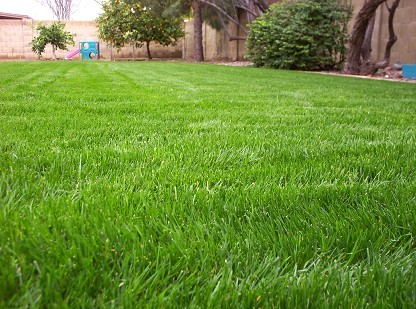
Choosing the best time to plant Bermuda grass in Arizona is key for a healthy lawn. Planting at the right time helps the grass grow strong and green. The climate in Arizona affects when you should start planting. Knowing the ideal temperature, seasons, and soil conditions can guide you.
Ideal Temperature Range
Bermuda grass grows best in warm temperatures. The soil should be between 65°F and 75°F. Air temperatures from 80°F to 95°F are perfect for growth. Planting in cooler weather slows the grass development. Warm weather helps Bermuda grass seeds sprout quickly.
Seasonal Considerations
Late spring to early summer is the best planting time. The risk of frost is gone by then. Summer heat helps the grass establish deep roots. Avoid planting in winter or early spring. Cold temperatures can kill young Bermuda grass plants.
Soil Conditions
Well-drained soil is ideal for Bermuda grass. The soil should be loose and rich in nutrients. Test soil pH; it should be between 6.0 and 7.5. Avoid heavy clay soils that hold too much water. Preparing the soil before planting helps the grass thrive.

Credit: www.reddit.com
Preparing Your Lawn For Planting
Preparing your lawn for planting Bermuda grass in Arizona sets the stage for healthy growth. Proper preparation helps the grass take root and thrive in the hot climate. Taking time to prepare your soil and land boosts your lawn’s chances of success. Follow these key steps to get your yard ready.
Soil Testing And Amendment
Start by testing your soil’s pH and nutrients. Bermuda grass prefers soil with a pH between 6 and 7. Use a soil test kit or send a sample to a local extension office. Based on results, add lime to raise pH or sulfur to lower it. Mix in organic matter or fertilizer to improve soil quality. Proper soil balance ensures strong root growth and green grass.
Clearing Existing Vegetation
Remove all weeds, old grass, and debris from the planting area. Use a shovel or herbicide to clear unwanted plants. This step prevents competition for water and nutrients. A clean surface gives Bermuda grass seeds or plugs space to grow. Make sure the soil is bare and ready before planting.
Leveling And Aeration
Level your lawn to avoid water pooling in low spots. Use a rake or lawn roller to smooth the surface. Aerate the soil to improve air and water movement. Aeration breaks up compacted soil and helps roots grow deeper. These steps create a strong foundation for Bermuda grass to establish quickly.
Planting Methods For Bermuda Grass
Planting Bermuda grass in Arizona offers several methods to establish a healthy lawn. Each method suits different needs, budgets, and timelines. Understanding these options helps you choose the best way to grow Bermuda grass successfully.
Seeding
Seeding is the most affordable way to plant Bermuda grass. It involves spreading grass seeds evenly over prepared soil. Seeds take several weeks to germinate and fill in. Patience is key during this process. Water the area lightly but regularly to keep seeds moist. Seeding works well for large areas with good soil.
Sodding
Sodding means laying down strips of already grown Bermuda grass. It gives an instant green lawn. Sod establishes quickly and reduces weed growth. This method costs more than seeding but saves time. Prepare the soil by leveling and watering before laying sod. Press sod firmly to remove air pockets. Water the new sod daily for the first few weeks.
Sprigging And Plugging
Sprigging uses small pieces of Bermuda grass stems planted in the soil. Plugging places small grass patches spaced out over the lawn. Both methods work well for uneven or hard-to-seed areas. They take longer to cover the lawn than sod but less than seeding. Keep the soil moist until grass grows strong. These methods offer a balance of cost and growth speed.
Watering Tips After Planting
Watering is very important right after planting Bermuda grass in Arizona. Proper watering helps seeds or sod start strong. The soil must stay moist but not soaked. Too little water slows growth. Too much water causes problems like root rot. Follow simple watering steps to help your grass grow thick and green.
Initial Watering Schedule
Water the new Bermuda grass lightly every day. Do this for about two weeks. Keep the top inch of soil moist all the time. Use a fine spray or gentle watering to avoid washing away seeds. Water early in the morning to reduce evaporation. Avoid watering late at night to prevent fungus.
Avoiding Overwatering
Too much water can hurt new Bermuda grass. Watch for puddles or soggy soil. If soil stays wet for many hours, water less often. Overwatering can cause roots to rot or seeds to wash away. Let the soil dry a bit before watering again. This helps roots grow deeper and stronger.
Adjusting As Grass Establishes
After two weeks, reduce watering to every other day. Then, slowly water less often but deeper. This encourages roots to grow down. Once grass looks healthy and thick, water twice a week. Water early in the morning for best results. Adjust watering during hot or rainy days to keep grass healthy.
Common Challenges In Arizona
Growing Bermuda grass in Arizona has unique challenges. The desert climate tests the grass’s strength. Knowing these challenges helps you prepare the right care. The key issues are heat stress, pests, weeds, and drought. Each requires special attention to keep Bermuda grass healthy and green.
Dealing With Heat Stress
Arizona’s intense sun can burn Bermuda grass easily. The grass may turn brown and dry out fast. Watering early in the morning helps reduce heat damage. Mowing at the right height protects the grass roots. Shade can also lower heat stress in some areas.
Pest And Weed Control
Insects like grubs and mites attack Bermuda grass often. These pests damage the blades and roots quickly. Using natural or chemical pest control stops this damage. Weeds compete for nutrients and water too. Regular weeding keeps Bermuda grass strong and healthy.
Drought Management
Water is scarce in Arizona, making drought a big problem. Bermuda grass needs less water but still needs regular irrigation. Deep, infrequent watering helps roots grow deeper. Mulching retains soil moisture and lowers evaporation. Smart watering saves water and keeps the lawn green.
Credit: www.youtube.com
Maintaining A Healthy Bermuda Lawn
Maintaining a healthy Bermuda lawn in Arizona needs regular care and attention. This grass type thrives in warm weather but can struggle without proper maintenance. Focus on mowing, fertilizing, and seasonal care to keep your lawn lush and green. Small efforts make a big difference in the long run.
Mowing Best Practices
Cut Bermuda grass often to keep it healthy. Set mower blades to 1 to 2 inches high. This height helps grass grow thick and strong. Avoid cutting more than one-third of the grass at once. Mow when the lawn is dry to prevent damage. Regular mowing stops weeds from taking over.
Fertilization Schedule
Feed your Bermuda lawn to boost growth. Start fertilizing in early spring when grass begins growing. Use a nitrogen-rich fertilizer for best results. Apply fertilizer every 6 to 8 weeks during the growing season. Stop fertilizing in late fall as the grass goes dormant. Follow package instructions carefully to avoid overfeeding.
Seasonal Care Tips
Adjust care based on the season for a strong lawn. Water deeply but less often during hot months. Reduce watering in cooler months to prevent disease. Aerate soil in spring to improve root growth. Remove weeds early before they spread. Prepare your lawn for winter by mowing a bit shorter in late fall.
Frequently Asked Questions
When Is The Best Time To Plant Bermuda Grass In Az?
The best time to plant Bermuda grass in Arizona is late spring to early summer. Soil temperatures should be above 65°F for optimal germination. This timing ensures warm weather helps the grass establish quickly and thrive in Arizona’s hot climate.
How Long Does Bermuda Grass Take To Establish In Az?
Bermuda grass typically takes 2 to 3 weeks to germinate in Arizona. Full establishment can take 6 to 8 weeks with proper watering and care. Warm temperatures and adequate sunlight speed up growth and root development.
Can Bermuda Grass Be Planted In Early Spring In Arizona?
Planting Bermuda grass in early spring is less ideal in Arizona. Soil may still be too cool, slowing germination. Waiting until late spring ensures the soil is warm enough for healthy seed growth.
Should I Water Bermuda Grass Daily After Planting In Az?
Yes, water Bermuda grass lightly and daily after planting in Arizona. Keep the soil moist but not soaked to promote seed germination. Once established, reduce watering frequency to encourage deep root growth.
Conclusion
Plant Bermuda grass in Arizona when soil temperatures reach about 65°F. Early spring is usually the best time to start. This timing helps the grass grow strong before hot summer days. Avoid planting too early or too late to prevent poor growth.
Regular watering and care will keep your lawn healthy. Choose the right time, and your Bermuda grass will thrive in the Arizona heat. Keep an eye on local weather to plant at the perfect moment. Healthy grass means a green, beautiful yard all season long.